Supporting Your Partner Through Hormonal Fluctuations: A Guide to the Male Menstrual Cycle
Welcome Back.
Updated at: 2025-03-02 18:56:17 (1 year ago by Melkisedeck Leon Shine)
While often overlooked, men experience hormonal fluctuations impacting mood, energy, and overall well-being. This article explores these cyclical changes, their effects, and provides practical advice for partners seeking to offer support and understanding. Let's dispel the myths and embrace a more comprehensive view of male health.
The term "Irritable Male Syndrome" (IMS) is sometimes used to describe these hormonal shifts. Like women's menstrual cycles, these fluctuations are primarily driven by testosterone and other hormones, resulting in a range of emotional and physical symptoms.
Common symptoms associated with these hormonal cycles include mood swings, irritability, fatigue, and decreased libido. It's crucial to remember that these are temporary and a natural part of the male hormonal process. Recognizing these symptoms is the first step toward providing effective support.
Understanding these hormonal fluctuations significantly enhances communication and empathy within relationships. By acknowledging the cyclical nature of these experiences, partners can foster a more supportive and understanding environment, especially during challenging times. This requires open dialogue and a willingness to learn and adapt.
While traditionally associated with women's health, menstrual tracking apps can benefit men as well. These tools can help track symptom intensity and timing, facilitating better self-care and proactive planning. Encouraging self-care practices, such as regular exercise, meditation, or engaging in enjoyable hobbies, can significantly alleviate symptoms and improve overall well-being.
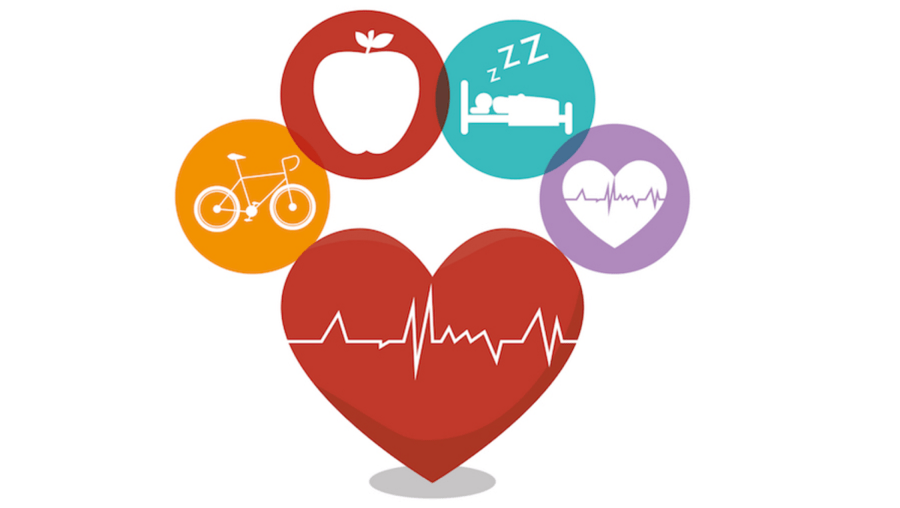
Nutrition plays a vital role in managing hormonal balance. A diet rich in fruits, vegetables, and whole grains provides essential vitamins and minerals, contributing to better overall health and potentially mitigating some symptoms. Prioritizing a balanced diet is a proactive step toward improved well-being.
Open and honest communication is essential. Encourage your partner to openly share their feelings and concerns, creating a safe space for vulnerability and emotional expression. Validate their emotions and avoid dismissing their experiences; their feelings are just as valid as anyone else's.
Offer practical forms of comfort. A warm bath, a relaxing massage, or simply spending quality time together can be incredibly beneficial. These acts of care demonstrate love and support, easing discomfort and strengthening the bond.
Educating yourself about these hormonal changes allows you to better understand your partner's experiences, providing more effective support and avoiding misunderstandings. This knowledge fosters empathy and prevents the perpetuation of harmful misconceptions.
Remember that individual experiences vary greatly. Be patient and adapt your support based on your partner's specific needs and preferences. Flexibility and understanding are crucial in navigating these cyclical changes.
If symptoms become severe or significantly impact daily life, encourage your partner to seek professional help. A healthcare provider can offer guidance, appropriate treatments, and personalized strategies for managing these fluctuations.
Openly discussing male hormonal fluctuations helps reduce stigma and fosters understanding. By normalizing these conversations, we create a more supportive and accepting environment for everyone.
Male hormonal fluctuations are a natural process deserving of recognition and support. By fostering empathy and understanding, we strengthen relationships and create a more inclusive environment for men's health. Let's work together to break down stigmas and embrace these experiences with compassion and understanding.
We encourage you to share your thoughts and experiences in the comments below. Let's continue the conversation and promote a greater understanding of male health and well-being.
Updated at: 2025-02-25 16:21:37 (1 year ago by Melkisedeck Leon Shine)
Men experience depression at significant rates, yet societal expectations often prevent them from seeking help. This comprehensive guide explores the unique challenges men face, provides practical strategies for recognizing and addressing depression, and emphasizes the crucial role of seeking support for lasting well-being.
The societal pressure on men to be stoic and emotionally invulnerable creates a formidable barrier to seeking mental health support. This ingrained expectation prevents many from acknowledging their struggles and accessing necessary help. It's vital to challenge this harmful misconception. Seeking help is a testament to strength, demonstrating a commitment to self-care and well-being, not a sign of weakness.
Early recognition of depression symptoms is paramount to successful recovery. While individual experiences vary, common indicators include persistent sadness or low mood, loss of interest or pleasure in previously enjoyed activities (anhedonia), significant changes in appetite or sleep patterns (insomnia or hypersomnia), persistent fatigue or low energy, irritability or increased anger, feelings of worthlessness or excessive guilt, difficulty concentrating, remembering, or making decisions, and recurrent thoughts of death or suicide. If you or someone you know displays these symptoms for an extended duration (typically two weeks or more), professional evaluation is strongly recommended.
The reluctance to express vulnerability is a common obstacle for men struggling with depression. However, suppressing emotions only exacerbates the condition. Finding a safe and trustworthy confidant β a friend, family member, or mental health professional β is crucial. Sharing your struggles can foster a sense of understanding, validation, and support, facilitating the healing process and reducing feelings of isolation.
While support from loved ones is invaluable, professional guidance is often essential for effective treatment. Mental health professionals, including therapists, counselors, and psychiatrists, possess the expertise to accurately diagnose depression and create personalized treatment plans. They offer evidence-based therapies, such as cognitive behavioral therapy (CBT), interpersonal therapy (IPT), or other modalities, and can determine the necessity of medication. Don't hesitate to reach out; seeking professional help is a proactive step towards reclaiming your mental well-being.
Treatment for depression is not a one-size-fits-all approach. A holistic strategy often yields the best results, potentially including a combination of therapy, medication (antidepressants), lifestyle modifications, and participation in support groups. Finding the optimal combination requires patience and close collaboration with your healthcare provider. Regularly review and adjust your treatment plan as needed to maximize its effectiveness.
A healthy lifestyle plays a crucial role in mental well-being. Regular physical exercise, a balanced diet rich in fruits and vegetables, and adequate sleep are essential components. Engage in activities you enjoy, prioritize self-care, and practice stress management techniques such as mindfulness or meditation. These habits contribute to improved mood regulation and overall mental health.
A strong support network of family, friends, or support groups offers invaluable comfort and understanding. Connecting with others who share similar experiences can combat feelings of isolation and create a sense of belonging. Consider joining men's support groups or online communities dedicated to mental health; these spaces provide a safe environment for sharing experiences and learning effective coping strategies.
Understanding depression and mental health empowers you to take control of your well-being. Research reputable sources, attend workshops, or participate in online courses focused on mental health. Knowledge of the causes, symptoms, and treatment options allows you to make informed decisions about your care.
Setting realistic, achievable goals helps maintain momentum during recovery. Start with small, manageable goals and gradually increase the challenge as you progress. Celebrate each milestone; acknowledging achievements reinforces positive self-perception and fosters a sense of accomplishment.
Mindfulness practices, such as meditation and deep breathing exercises, are effective tools for stress reduction. Regular practice can manage anxiety and improve emotional regulation, contributing significantly to overall well-being. Incorporate these techniques into your daily routine to cultivate a calmer, more centered mindset.
Depression often leads to social withdrawal and isolation. Actively combat this by nurturing existing relationships and cultivating new connections. Participate in social activities, volunteer in your community, or join clubs and groups aligned with your interests. Social interaction reduces feelings of loneliness and fosters a sense of belonging.
Resist the temptation to self-medicate with alcohol or drugs. While these substances may provide temporary relief, they worsen depression in the long term and can lead to addiction. Focus on healthy coping mechanisms, such as exercise, mindfulness, and seeking professional support.
Practicing gratitude by focusing on positive aspects of your life can significantly improve your outlook. Keep a gratitude journal, express appreciation to others, and surround yourself with positive influences. This shift in perspective can counter negative thought patterns associated with depression.
Regularly monitor your progress. Maintain a journal to track your mood, identify triggers, and assess the effectiveness of your treatment plan. This self-monitoring allows you to make necessary adjustments and ensures you remain on the path to recovery. Regular check-ins with your therapist or doctor are crucial throughout this process.
Addressing depression and seeking help is an act of courage and self-care. Remember, you're not alone. Numerous resources are available to support you on your journey to recovery. Take that first step, reach out for help, and embrace the hope for a brighter, healthier future. Your well-being is paramount.
Share your thoughts and experiences in the comments below. Let's continue the conversation and break the stigma surrounding male depression together.
Updated at: 2025-02-21 20:01:34 (1 year ago by Melkisedeck Leon Shine)
Gentlemen, let's talk skincare. A healthy, vibrant complexion isn't just about vanity; it's a reflection of overall well-being. This guide provides actionable steps to achieve and maintain radiant skin, tailored specifically for the needs of men.
1. The Foundation: Daily Cleansing
Start your day and end it with a gentle cleanse. Choose a cleanser formulated for your skin type β oily, dry, combination, or sensitive β to remove dirt, oil, and pollutants that accumulate throughout the day. This simple step prevents breakouts and keeps pores clear, paving the way for a healthier complexion.
2. Reveal Your Radiance: Regular Exfoliation
Exfoliation is your secret weapon against dull, lifeless skin. By gently removing dead skin cells, you reveal brighter, healthier skin underneath. Use a scrub or exfoliating brush 1-2 times a week, massaging in circular motions for improved circulation and a revitalized glow. Avoid over-exfoliation, which can irritate the skin.
3. Hydration is Key: Moisturizing for Men
Moisturizing is not optional; it's essential. A good moisturizer provides hydration, protecting your skin barrier and maintaining its elasticity. Choose a moisturizer appropriate for your skin type and apply it twice daily, particularly after cleansing and shaving. This simple act significantly contributes to preventing dryness, premature aging, and discomfort.
4. Sun Protection: Your Shield Against Damage
Sun damage is a leading cause of premature aging and skin cancer. Regardless of the weather, apply a broad-spectrum sunscreen with an SPF of 30 or higher every day. This crucial step protects your skin from harmful UV rays, preserving its youthfulness and health. Don't forget to reapply throughout the day, especially after swimming or sweating.
5. Inner Health, Outer Glow: The Importance of Hydration
Drinking plenty of water is vital for healthy skin. Water helps flush out toxins and keeps your skin hydrated from within, contributing to a radiant complexion. Aim for at least eight glasses of water daily to support your body's natural processes and maintain optimal skin health.
6. Beauty Sleep: Rest and Rejuvenation
Sleep is when your skin repairs and regenerates itself. Prioritize 7-9 hours of quality sleep each night to allow your skin to perform its natural restorative functions. Adequate sleep contributes to a brighter, healthier complexion.
7. Fuel Your Skin: The Power of Diet
A balanced diet rich in fruits, vegetables, and lean proteins provides essential nutrients for healthy skin. Incorporate foods high in antioxidants, such as berries and green tea, to combat free radicals and protect against cellular damage. A healthy diet supports skin health from the inside out.
8. Lifestyle Choices: Avoiding Harmful Habits
Smoking and excessive alcohol consumption significantly impact skin health, leading to premature aging, dullness, and a higher risk of skin problems. Limiting or eliminating these habits contributes greatly to healthier, more vibrant skin.
9. Stress Management: A Holistic Approach
Stress can manifest in various ways, including skin breakouts and other issues. Incorporate stress-reducing activities into your routine, such as meditation, yoga, exercise, or spending time in nature. Stress management is crucial for overall well-being, including skin health.
10. The Art of Shaving: Minimizing Irritation
For those who shave, use a sharp, clean razor and a lubricating shaving cream or gel. Shave in the direction of hair growth to reduce irritation and ingrown hairs. After shaving, apply a soothing aftershave balm to further protect your skin.
11. Beyond the Face: Total Body Hygiene
Maintaining hygiene extends beyond facial care. Regular handwashing, especially before touching your face, prevents the transfer of dirt and bacteria, safeguarding your skin's health.
12. Product Selection: Choosing Wisely
Always read product labels and choose skincare products formulated for your skin type, avoiding harsh chemicals or ingredients that can cause irritation. Opt for gentle, natural products whenever possible.
13. Professional Guidance: Regular Check-ups
Regular check-ups with a dermatologist are crucial for early detection of potential skin issues. A professional can provide personalized advice and treatment for any concerns, ensuring proactive skin health.
14. Lip Care: Often Overlooked, Always Important
Don't neglect your lips! Apply a lip balm with SPF to protect them from sun damage and prevent dryness and chapping.
15. Seeking Expert Advice: Personalized Skincare
If you have specific skin concerns or require tailored guidance, consulting a skincare professional is highly recommended. They can create a personalized skincare regimen to address your individual needs and achieve optimal results.
Embark on this journey to healthier skin. The effort you invest will reward you with a vibrant, confident complexion that reflects your inner well-being. Share your own skincare tips and experiences in the comments below!
Updated at: 2025-06-17 12:41:30 (8 months ago by Melkisedeck Leon Shine)
The contemporary male experiences significant pressures stemming from societal expectations related to career success, familial provision, and the maintenance of a balanced lifestyle. These demands can lead to substantial stress, negatively impacting mental and physical health. This article explores fifteen evidence-based strategies, grounded in psychological and physiological principles, to empower men to effectively manage stress and cultivate overall well-being. Key concepts addressed include the Transactional Model of Stress and Coping, the importance of self-efficacy, and the application of various relaxation techniques.
1. Cultivating Self-Care Practices: Self-care, a cornerstone of stress management, involves engaging in activities that promote physical and mental restoration. This aligns with the concept of self-efficacy, enhancing one's belief in their ability to manage stressors. Examples include regular exercise, pursuing hobbies, and nurturing meaningful relationships. Regular physical activity, for example, releases endorphins, which have mood-boosting effects, thereby reducing the impact of stress as described by the bio-psychosocial model.
2. Harnessing the Power of Mindfulness: Mindfulness-based stress reduction (MBSR) techniques, rooted in Buddhist principles, emphasize present moment awareness. By focusing on the present, individuals detach from rumination on past events or anxieties about the future, reducing the cognitive appraisal of stressful situations (Transactional Model of Stress and Coping). This practice cultivates emotional regulation and reduces the physiological response to stress.
3. Leveraging Social Support Networks: Seeking support is crucial. Social support acts as a buffer against stress, providing emotional resources and practical assistance (Social Support Theory). This can involve confiding in trusted friends, family, or utilizing professional counseling services which offer guidance and coping strategies.
4. Strategic Goal Setting and Time Management: Effective goal setting, informed by principles of behavioral psychology, involves establishing attainable goals, breaking down large tasks into smaller, manageable steps, and prioritizing tasks based on urgency and importance (Time Management Matrix). This approach reduces feelings of overwhelm and fosters a sense of accomplishment, thereby mitigating stress.
5. Promoting a Healthy Lifestyle: Adopting a holistic approach to health significantly impacts stress management. Nutritional balance, consistent exercise, and adequate sleep are fundamental. These practices optimize physiological functioning, enhancing mood regulation and stress resilience, as supported by research on the impact of lifestyle factors on mental health.
6. Utilizing Relaxation Techniques: Deep breathing exercises, a core component of many relaxation techniques, activate the parasympathetic nervous system, counteracting the physiological effects of stress. Progressive muscle relaxation and meditation also offer effective means of managing physiological arousal associated with stress.
7. Effective Time Management and Boundary Setting: Time management strategies, combined with assertive boundary setting, prevent overcommitment and burnout. This requires identifying peak productivity periods, delegating tasks where possible, and learning to decline requests that compromise well-being. This aligns with the concept of self-care and resource allocation.
8. Engaging in Stress-Reducing Activities: Participating in leisure activities that elicit positive emotions and relaxation is crucial. This could include activities like listening to music, spending time in nature, engaging in artistic pursuits, or practicing yoga. These activities foster psychological well-being and provide a counterbalance to stressors.
9. Avoiding Maladaptive Coping Mechanisms: Excessive alcohol consumption is a maladaptive coping mechanism that exacerbates stress in the long term. Identifying and replacing such behaviors with healthier alternatives, such as seeking professional support, is vital for sustainable stress management.
10. Nurturing Social Connections: Strong social bonds provide a sense of belonging and emotional support. Actively cultivating relationships and participating in social activities strengthens resilience to stress and enhances overall well-being.
11. Establishing Healthy Boundaries: Learning to say "no" to requests that overwhelm one's capacity is essential. Setting clear boundaries protects against burnout and maintains a healthy balance between personal responsibilities and external demands. This directly impacts stress levels by reducing the number of stressors encountered.
12. Implementing Positive Self-Talk: Cognitive restructuring techniques, such as replacing negative self-talk with positive affirmations, improve self-esteem and resilience. Challenging negative thought patterns reduces the emotional impact of stressful events and promotes a more optimistic outlook.
13. Managing Technology Consumption: Excessive exposure to technology contributes to stress. Establishing limits on screen time, disconnecting from work emails outside of work hours, and incorporating technology-free periods into the daily routine is beneficial for mental and emotional health.
14. Harnessing the Power of Humor: Laughter serves as a powerful stress reliever, releasing endorphins and reducing stress hormones. Incorporating humor into daily life provides a valuable coping mechanism.
15. Seeking Professional Guidance: When stress becomes unmanageable, seeking professional help from therapists or counselors is essential. Therapists offer tailored strategies and support to effectively navigate challenging situations.
Effective stress management for men requires a multifaceted approach integrating physiological, psychological, and social strategies. By consistently implementing these evidence-based techniques, individuals can significantly enhance their resilience to stress and improve their overall well-being. Further research could explore the efficacy of tailored interventions based on specific demographic factors or stressor profiles. The integration of these strategies into workplace wellness programs and educational initiatives would broaden access to stress management resources and contribute to a healthier and more productive society. The long-term impact of implementing these strategies includes improved mental health, enhanced productivity, and stronger relationships, leading to a higher quality of life. The applicability of these strategies extends beyond men, serving as a valuable framework for stress management for individuals across genders and age groups.
Reader Pool: What are your perspectives on the relative effectiveness of different stress management techniques outlined in this article, considering individual differences in personality and lifestyle?
Updated at: 2025-05-31 13:20:58 (9 months ago by Melkisedeck Leon Shine)
Introduction: Work-related stress, a pervasive issue in contemporary professional life, significantly impacts individual well-being. This article explores strategies for managing this stress, focusing on the crucial concept of work-life balance. We will examine several evidence-based approaches grounded in organizational behavior, stress management theories, and well-being models to create a harmonious equilibrium between career aspirations and personal health. Key concepts such as self-efficacy (the belief in one's ability to succeed in specific situations), burnout (a state of emotional, physical, and mental exhaustion caused by prolonged or excessive stress), and job demands-resources (JD-R) model (which posits that job demands and resources influence employee well-being) will be applied throughout the discussion.
Strategic Time Management and Prioritization: Effective time management, a cornerstone of stress reduction, involves prioritizing tasks using methods such as the Eisenhower Matrix (urgent/important) or Pareto Principle (80/20 rule). This structured approach minimizes procrastination and promotes a sense of control, reducing the overwhelming feeling often associated with excessive workloads. The application of these techniques allows for the efficient allocation of time to both professional responsibilities and personal rejuvenation activities, thereby fostering a healthy work-life integration.
Cultivating Effective Communication and Boundary Setting: Open and assertive communication is vital in mitigating work-related stress. This involves clearly articulating personal needs and limitations to colleagues and superiors. The concept of psychological safety, where individuals feel comfortable expressing concerns without fear of negative consequences, is crucial here. Furthermore, establishing clear boundaries between work and personal life is paramount. This prevents role conflict and promotes psychological detachment, allowing for restorative rest and improved overall well-being, aligning with the Conservation of Resources theory which suggests that individuals strive to maintain and acquire resources.
Prioritizing Self-Care and Well-being Practices: Proactive self-care is not merely a suggestion; it's a necessity for maintaining both physical and mental health in demanding work environments. This involves engaging in regular exercise, mindful practices (meditation, deep breathing), and pursuing hobbies that foster relaxation and personal fulfillment. These activities help mitigate the negative physiological and psychological effects of stress, promoting resilience and improving coping mechanisms. The incorporation of these practices demonstrates an understanding of the importance of self-regulation and stress inoculation.
Building a Supportive Network and Seeking Professional Assistance: A strong support system comprising friends, family, mentors, or professional therapists provides crucial emotional and practical support during stressful periods. Social support acts as a buffer against the detrimental effects of stress. When work-related stress becomes overwhelming, seeking professional help from a therapist or counselor should not be viewed as a sign of weakness but as a proactive step towards mental health maintenance. They provide tailored coping strategies and interventions, contributing to improved mental well-being.
Goal Setting, Performance Management, and Regular Breaks: Setting achievable and specific goals, using techniques such as the SMART framework (Specific, Measurable, Achievable, Relevant, Time-bound), prevents feelings of overwhelm and fosters a sense of accomplishment. Regularly reviewing performance, celebrating achievements, and incorporating short, planned breaks throughout the workday enhance focus, reduce mental fatigue, and prevent burnout. These actions demonstrate a commitment to sustainable productivity rather than relentless pursuit of immediate results.
Cultivating a Culture of Gratitude and Continuous Reflection: Regularly practicing gratitude can shift perspectives from negativity to appreciation, enhancing emotional well-being. Regularly reflecting on work-life balance and reassessing priorities allows for course correction, ensuring continued alignment with personal values and overall well-being. This iterative process of reflection and adjustment, based on the principles of continuous improvement, is crucial for maintaining long-term equilibrium.
Conclusion and Recommendations: Successfully managing work-related stress requires a multifaceted approach that integrates proactive self-care, effective communication, and realistic goal-setting. Applying principles from organizational behavior, stress management theories, and well-being models provides a robust framework for achieving a sustainable work-life balance. Organizations should foster supportive environments that promote psychological safety and encourage employees to prioritize their well-being. Further research could explore the effectiveness of various interventions across diverse occupational settings and cultural contexts, potentially developing tailored strategies for specific industries or demographics. The impact of this approach is a significant improvement in employee well-being, leading to reduced absenteeism, improved productivity, and increased job satisfaction. The applicability extends across various professional fields, adapting the specific strategies to the unique demands of each profession.
Reader Pool: What innovative strategies do you believe are crucial for fostering a culture of well-being within organizations to effectively mitigate work-related stress?
Updated at: 2025-02-28 12:35:57 (1 year ago by Melkisedeck Leon Shine)
Sexual health and wellness are fundamental pillars of overall well-being, significantly impacting our happiness and life satisfaction. Nurturing this aspect of your life is as crucial as tending to your physical and mental health. This guide explores fifteen key strategies for cultivating and maintaining vibrant sexual vitality.
Nourishing Your Body for Optimal Sexual Health:
Fuel Your Body Right: A balanced diet is paramount. Incorporate libido-boosting foods such as almonds, avocados, and dark chocolate into your regular meals. Prioritize whole grains, lean proteins, and plenty of fruits and vegetables for sustained energy and vitality.
The Power of Movement: Regular physical activity isn't just about physical fitness; it enhances blood circulation, a crucial factor in sexual health. Incorporate activities you enjoy, such as walking, jogging, swimming, or yoga, into your routine.
Prioritize Restful Sleep: Adequate sleep is essential for hormone regulation and overall well-being, directly impacting sexual function. Aim for 7-8 hours of quality sleep each night to allow your body to fully recharge.
Hydration is Key: Staying well-hydrated is crucial for optimal bodily functions, including healthy blood flow and lubrication. Make sure to drink plenty of water throughout the day.
Break Free from Smoking: Smoking severely impairs blood flow and is a significant contributor to erectile dysfunction. Quitting smoking offers immense benefits to both your overall health and sexual vitality.
Mindful Alcohol Consumption: While moderate alcohol consumption may be acceptable for some, excessive intake can negatively impact sexual performance. Enjoy alcohol responsibly and in moderation.
Mental and Emotional Well-being: The Foundation of Sexual Health:
Manage Stress Effectively: Stress significantly impacts libido and sexual performance. Incorporate stress-reducing practices like meditation, deep breathing exercises, yoga, or engaging in hobbies you enjoy.
A Balanced Approach to Pornography: While occasional pornography consumption may not be inherently harmful, excessive use can lead to unrealistic expectations and desensitization. Maintain a balanced approach to sexual stimuli.
Harness the Power of Sunlight: Sunlight exposure is vital for vitamin D production, a nutrient that plays a significant role in sexual health. Spend time outdoors to naturally boost your vitamin D levels.
Open Communication is Paramount: Honest and open communication with your partner is the cornerstone of a fulfilling sexual relationship. Discuss desires, concerns, and explore new ways to enhance intimacy together.
Cultivate Intimacy Beyond the Bedroom: Intimacy extends beyond sexual intercourse. Engage in cuddling, kissing, and other forms of physical affection to foster a deep emotional connection with your partner.
Embracing and Enhancing Your Sexuality:
Celebrate Your Sexuality: Embrace your sexuality as a positive and integral aspect of your life. Explore your desires and preferences without shame or guilt.
Continuous Learning: Stay informed about sexual health, techniques, and practices. Read books, attend workshops, or consult healthcare professionals to expand your knowledge and understanding.
Prioritize Safe Sex Practices: Protecting yourself and your partner from sexually transmitted infections (STIs) is essential. Consistently use barrier methods like condoms and get regular STI testing.
Self-Reflection and Evaluation: Regularly reflect on your sexual experiences, identify what brings you pleasure, and communicate these preferences with your partner. Continuously adapt and refine your approach to sexual wellness.
Remember, sexual health and wellness are deeply personal journeys. Prioritize self-awareness, listen to your body's signals, and don't hesitate to seek professional guidance from a healthcare provider or sex therapist when needed. Open communication with your partner, coupled with a holistic approach to self-care, will pave the way towards a vibrant and fulfilling sexual life.
Updated at: 2023-08-05 23:11:40 (2 years ago by Melkisedeck Leon Shine)
Managing Anxiety and Stress: Strategies for Men
In today's fast-paced world, it's no surprise that many men experience feelings of anxiety and stress. Whether it's due to work pressures, relationship issues, or societal expectations, managing these emotions is essential for maintaining overall well-being. As AckySHINE, I advise taking proactive steps to address these concerns and develop strategies that work specifically for men. Here are 15 effective strategies, sprinkled with a touch of emoji magic, to help you navigate through anxiety and stress:
πͺ Prioritize Self-Care: As a busy man, it's essential to prioritize self-care. Engage in activities that bring you joy, such as exercising, reading, or spending time with loved ones. Remember, taking care of yourself is not selfish; it's necessary for your mental and emotional health.
π§ββοΈ Embrace Mindfulness: Incorporate mindfulness techniques into your daily routine. Practice deep breathing exercises, meditation, or yoga to help center your mind and alleviate stress.
ποΈ Set Realistic Goals: While ambition is admirable, setting unrealistic goals can lead to unnecessary pressure and anxiety. Break your goals into smaller, achievable tasks and celebrate your milestones along the way.
π€ Prioritize Sleep: Adequate sleep is vital for managing stress and anxiety. Aim for 7-9 hours of quality sleep each night to recharge your body and mind.
π Journaling: Writing down your thoughts and feelings can provide a sense of release and clarity. Try journaling as a way to process your emotions and gain perspective on stressful situations.
π΅ Listen to Soothing Music: Music has the power to calm our minds and soothe our souls. Create a playlist of relaxing songs or instrumental tracks that help alleviate stress and anxiety.
πΆββοΈ Engage in Physical Activity: Regular exercise releases endorphins, which are natural mood boosters. Find an activity you enjoy, whether it's jogging, cycling, or playing a sport, and make it a part of your routine.
π Nourish Your Body: A healthy diet can significantly impact your mental well-being. Incorporate nutrient-rich foods like fruits, vegetables, lean proteins, and whole grains into your meals to support your body and mind.
π± Limit Screen Time: Excessive screen time can contribute to heightened stress levels. Set boundaries and allocate dedicated time away from screens to focus on other activities or hobbies.
π Educate Yourself: Understanding the root causes of anxiety and stress can help you better manage them. Read books or articles on the topic, attend workshops, or seek professional guidance to expand your knowledge.
π¬ Communicate Openly: Bottling up your emotions can intensify anxiety and stress. Instead, express your feelings and concerns to a trusted friend, family member, or therapist. Remember, it's okay to ask for help.
π³ Connect with Nature: Spending time in nature provides a refreshing escape from daily stressors. Take a walk in the park, go hiking, or simply sit in your backyard to soak in the calming effects of the natural world.
πΆ Pet Therapy: Interacting with animals has been shown to reduce anxiety and stress. Consider adopting a pet or spending time with furry friends to benefit from their unconditional love and companionship.
π¨ Engage in Creative Activities: Creative outlets, such as painting, drawing, or playing a musical instrument, can serve as a form of therapy. Allow yourself to explore your creative side and find solace in the process.
π£οΈ Seek Professional Help: If anxiety and stress become overwhelming and interfere with your daily life, do not hesitate to seek professional help. Therapists and counselors are trained to provide guidance and support tailored to your specific needs.
Remember that managing anxiety and stress is an ongoing process, and what works for one person may differ for another. As AckySHINE, I recommend exploring these strategies and adapting them to your unique circumstances. Take the time to discover what brings you peace and calm, and don't hesitate to reach out for support when needed. How do you manage anxiety and stress in your life? Share your opinions and experiences below!
Updated at: 2023-08-05 23:08:57 (2 years ago by Melkisedeck Leon Shine)
Building Healthy Habits: Setting Goals for Success
As AckySHINE, I am excited to share with you some tips and advice on how to build healthy habits and set goals for success. Building healthy habits is not only beneficial for our physical well-being, but also for our mental and emotional health. By setting goals and working towards them, we can create positive changes in our lives and achieve the success we desire. So, let's dive into the world of goal-setting and healthy habits with a cheerful mindset and a sprinkle of emojis!
Start with a clear vision π: Before setting any goals, it's important to have a clear vision of what you want to achieve. Ask yourself, "What is my ultimate goal?" This will provide you with a sense of direction and motivation.
Set SMART goals π―: As AckySHINE, I recommend using the SMART goal-setting technique. SMART stands for Specific, Measurable, Attainable, Relevant, and Time-bound. For example, instead of saying "I want to exercise more," set a SMART goal like "I will jog for 30 minutes every morning for the next month."
Break it down π: Break your big goals into smaller, manageable tasks. This will make them less overwhelming and easier to accomplish. Celebrate each small win along the way by using emojis like π and π.
Create a routine β°: Establishing a routine helps in building healthy habits. Set a specific time for your daily activities, such as exercising, eating meals, and practicing self-care. Stick to this routine as much as possible.
Find an accountability partner π€: Having someone to hold you accountable can greatly increase your chances of success. This can be a friend, family member, or even a coach who will support and encourage you throughout your journey.
Stay motivated πͺ: Motivation can sometimes dwindle, but as AckySHINE, I recommend finding ways to stay motivated. Set rewards for yourself after achieving certain milestones, visualize your success, and surround yourself with positive influences.
Track your progress π: Keep a record of your progress to see how far you've come. Use apps, journals, or spreadsheets to track your habits and goals. Seeing your progress visually can be extremely motivating.
Learn from setbacks π: Setbacks are a part of any journey, but it's important not to let them discourage you. Instead, use them as learning opportunities. Reflect on what went wrong, adjust your approach if necessary, and keep moving forward.
Practice self-care πΈ: Taking care of yourself is crucial for building healthy habits. Make sure to prioritize self-care activities like getting enough sleep, eating nutritious meals, and practicing mindfulness or meditation.
Stay positive and believe in yourself π: Positive thinking plays a vital role in achieving success. As AckySHINE, I encourage you to believe in yourself and your abilities. Replace negative thoughts with positive affirmations and visualize yourself reaching your goals.
Find inspiration β¨: Surround yourself with inspiring people, quotes, or stories that resonate with your goals. Seek out role models who have achieved what you aim for. Their success can inspire and motivate you to keep going.
Embrace flexibility π: While setting goals is important, it's equally important to be flexible and adapt to changes along the way. Life is unpredictable, and sometimes we need to adjust our plans. Embrace the journey and be open to new possibilities.
Celebrate your achievements π₯³: Acknowledge and celebrate each milestone you achieve on your journey towards building healthy habits. Treat yourself to something you enjoy, share your accomplishments with others, and give yourself a pat on the back.
Keep learning and growing π: Building healthy habits is a continuous process. As AckySHINE, I recommend staying curious and open-minded. Continue to learn new things, explore different approaches, and adapt your habits as you grow and evolve.
Enjoy the process π: Lastly, remember to enjoy the process of building healthy habits. Embrace the little joys and victories along the way. Don't solely focus on the end goal, but rather cherish the journey itself.
In conclusion, setting goals and building healthy habits is a powerful way to create positive changes in our lives. By implementing these tips and techniques, you can pave the path towards success and live a fulfilling life. As AckySHINE, I encourage you to start today, take small steps, and believe in yourself. Now, I would love to hear your thoughts and opinions! What are some of your favorite techniques for setting goals and building healthy habits? Share them in the comments below! ππͺπ
Updated at: 2025-03-01 23:31:01 (1 year ago by Melkisedeck Leon Shine)
Modern life presents a unique set of challenges for men, demanding success in careers, fulfilling family responsibilities, and maintaining a healthy work-life equilibrium. This constant pressure can lead to overwhelming stress, negatively impacting both mental and physical health. Mastering effective stress management is crucial for navigating these demands and thriving. This comprehensive guide provides fifteen practical strategies to help men build resilience and cultivate a happier, healthier life, empowering them to navigate the complexities of modern life with greater ease and well-being.
1. Prioritize Self-Care: The Cornerstone of Well-being: Self-care isn't selfish; it's a fundamental necessity. Dedicate time to activities that rejuvenate your mind and body β regular exercise, engaging hobbies, and quality time spent with loved ones. These activities replenish your energy reserves and offer a vital respite from daily stressors, fostering a sense of balance and renewal.
2. Embrace Mindfulness: Finding Calm Amidst the Chaos: Mindfulness, the practice of being fully present in the current moment, is a powerful tool for stress reduction. By focusing on your breath and your senses, you can quiet the mental chatter and alleviate anxiety. Regular mindfulness exercises, even for a few minutes daily, can significantly reduce stress levels and enhance overall mental clarity.
3. Seek Support: Strength in Shared Experience: Don't carry burdens alone. Lean on trusted friends, family members, or mental health professionals. Sharing your struggles can lighten the load and offer valuable perspectives. Recognizing the need for support is a sign of strength, not weakness, highlighting the importance of building a strong support network.
4. Set Realistic Goals: Achieving Success Through Measured Progress: Avoid overwhelming yourself with unrealistic expectations. Break down large tasks into smaller, manageable steps, celebrating each accomplishment along the way. This approach maintains momentum, prevents feelings of being overwhelmed, and promotes a sense of accomplishment and progress.
5. Cultivate a Healthy Lifestyle: Building a Resilient Foundation: A strong foundation of good health is essential for effective stress management. Prioritize a balanced diet rich in nutrients, regular physical activity tailored to your fitness level, and sufficient sleep. These habits boost energy levels, improve mood, and enhance your overall resilience to stress, creating a robust foundation for well-being.
6. Master Deep Breathing: A Powerful Tool for Relaxation: Deep, conscious breathing is a remarkably effective technique for calming the nervous system. Practice diaphragmatic breathing techniques regularly to reduce anxiety and promote relaxation in stressful situations. This simple yet powerful technique can significantly reduce your body's stress response.
7. Conquer Time Management: Achieving Balance and Reducing Overload: Effective time management is crucial for reducing stress and preventing burnout. Prioritize tasks using proven methods, schedule your time effectively, and learn to delegate when appropriate. Striving for a healthy work-life balance is key to long-term well-being and sustainable success.
8. Engage in Stress-Reducing Activities: Finding Your Escape and Recharge: Identify activities that help you unwind and de-stress. This could range from listening to calming music or spending time in nature to pursuing creative endeavors or practicing yoga. Regularly incorporating these activities into your routine provides crucial opportunities for relaxation and rejuvenation.
9. Avoid Excessive Alcohol Consumption: Choosing Healthy Coping Mechanisms: While alcohol might offer temporary relief, it's not a sustainable solution for managing stress. Excessive drinking can exacerbate stress and lead to various health problems. Seek healthier coping mechanisms and professional help if needed, emphasizing the importance of long-term, sustainable solutions.
10. Nurture Connections: The Power of Social Support: Strong social connections are vital for overall well-being. Spend quality time with loved ones, join social groups aligned with your interests, or volunteer your time to build a supportive network. Social interaction provides essential emotional support and combats feelings of isolation, fostering a sense of belonging and connection.
11. Learn to Say No: Setting Boundaries for Your Well-being: Setting healthy boundaries is crucial for preventing burnout and protecting your mental and physical health. Don't overcommit yourself. Learn to politely decline requests that compromise your well-being or add unnecessary stress to your life. Prioritizing your own needs is essential for long-term well-being.
12. Practice Positive Self-Talk: Cultivating Inner Strength and Resilience: Challenge negative thoughts and replace them with positive affirmations. Focus on your strengths and accomplishments. Positive self-talk builds resilience, reduces self-criticism (a major stress contributor), and fosters a more positive and confident mindset.
13. Disconnect from Technology: Reclaiming Your Time and Attention: Constant connectivity can contribute to stress and anxiety. Schedule regular breaks from screens, disconnect from work emails after hours, and engage in technology-free activities to promote relaxation and mental clarity. Creating a mindful separation from technology is vital for maintaining a healthy work-life balance.
14. Harness the Power of Laughter: The Joyful Path to Stress Reduction: Laughter is a potent stress reliever. Watch a comedy, spend time with people who make you laugh, or engage in activities that bring joy and mirth. Laughter releases endorphins, improving mood and reducing stress hormones, providing a natural and enjoyable way to manage stress.
15. Seek Professional Guidance: When to Seek Expert Help: If stress feels overwhelming or unmanageable, don't hesitate to seek professional help. A therapist or counselor can provide personalized strategies and support to help you develop effective coping mechanisms, providing a crucial resource when managing stress becomes challenging.
Implementing these stress management techniques is an ongoing journey requiring consistent effort and commitment. Prioritizing self-care, building strong supportive relationships, and adopting healthy habits are vital steps toward building resilience and creating a life filled with less stress and more joy. What strategies resonate most with you? Share your experiences and insights in the comments below!
Updated at: 2023-08-05 23:08:31 (2 years ago by Melkisedeck Leon Shine)
Caring for Your Ears: Hearing Health and Hearing Loss Prevention
Hello there, lovely readers! It's your friendly hearing health expert, AckySHINE, here to shed some light on the importance of taking care of your precious ears. π
Our ears play a vital role in our daily lives, allowing us to connect with the world around us through sound. However, many of us often neglect the wellbeing of our ears, which can lead to hearing loss and other hearing-related issues. As AckySHINE, I'm here to offer you some practical and easy tips on how to care for your ears and prevent hearing loss. π
Get regular check-ups: Just like you visit the dentist for your pearly whites, it's important to have your hearing checked by a professional regularly. This will help detect any potential issues early on and ensure that appropriate measures are taken. πΌ
Protect your ears: Exposure to loud noises can be detrimental to your hearing health. As AckySHINE, I recommend wearing ear protection in noisy environments such as concerts, construction sites, or even when mowing the lawn. π§
Lower that volume: We all love to jam out to our favorite tunes, but blasting music directly into our ears through headphones can cause significant damage. As AckySHINE, I advise you to keep the volume at a moderate level and take regular breaks to give your ears some rest. πΆ
Say no to cotton swabs: While it may seem like a satisfying way to keep your ears clean, using cotton swabs can actually do more harm than good. They can push wax deeper into the ear canal and potentially cause damage. Instead, let your ears naturally clean themselves or use a damp cloth to gently wipe the outer ear. βπ
Be mindful of medications: Certain medications, such as antibiotics and chemotherapy drugs, can have adverse effects on your hearing. Always consult with your healthcare provider about any potential side effects before starting a new medication. π
Don't ignore ear infections: If you experience pain, discharge, or any other unusual symptoms in your ears, seek medical attention promptly. Ignoring ear infections can lead to complications and even permanent hearing loss. π€
Limit exposure to water: Excessive moisture in the ears can increase the risk of ear infections. As AckySHINE, I suggest using earplugs or a silicone swim cap to protect your ears while swimming or taking a shower. πββοΈ
Educate yourself: Learn about the signs and symptoms of hearing loss, as well as the various technologies and treatments available. Staying informed empowers you to take better care of your hearing health. π
Lead a healthy lifestyle: As with many aspects of our health, a balanced diet, regular exercise, and adequate sleep can contribute to overall ear health. So, as AckySHINE, I encourage you to maintain a healthy lifestyle for the sake of your ears. π₯¦πͺ
Keep an eye on your blood pressure: High blood pressure can have a negative impact on your hearing. Regularly monitoring and managing your blood pressure can help prevent potential hearing issues. ππ©Ί
Be cautious with earbuds: While convenient, using earbuds can increase the risk of hearing damage due to their close proximity to the eardrum. Opt for over-the-ear headphones when possible, as they distribute sound more evenly. π§
Encourage hearing-friendly habits in children: It's never too early to start caring for your ears. Teach your children about the importance of protecting their hearing and lead by example. π§π
Take breaks from loud environments: If you find yourself in a noisy setting, such as a concert or a club, take regular breaks in quieter areas to give your ears a chance to rest and recover. π΅π
Be aware of occupational hazards: Some professions, such as construction and manufacturing, come with a higher risk of exposure to loud noises. As AckySHINE, I recommend using appropriate hearing protection and following workplace safety guidelines. π§π
Listen to your body: If you notice any changes in your hearing, such as muffled sounds or difficulty understanding speech, don't hesitate to seek professional help. Early intervention can often prevent further deterioration. π§π
So there you have it, my dear readers! These are my top tips for caring for your ears and preventing hearing loss. Remember, your ears are precious, and it's essential to give them the attention and care they deserve. π
Now, I would love to hear from you! What are your favorite ways to protect your hearing? Do you have any additional tips you would like to share? Let's start a conversation in the comments below! ππ¬