
Maintaining Heart Health as You Age: Cardiovascular Care
Welcome Back.
Updated at: 2023-08-06 00:27:00 (2 years ago by Melkisedeck Leon Shine)
Maintaining Heart Health as You Age: Cardiovascular Care

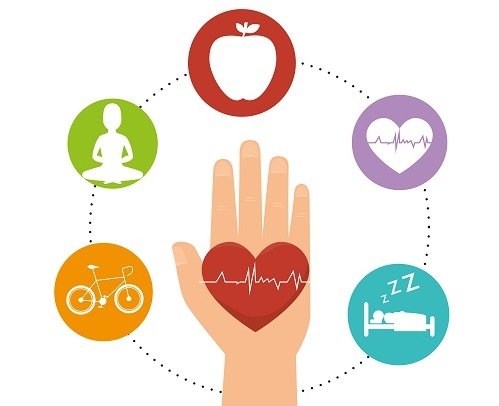
As AckySHINE, an expert in maintaining heart health, I am here to provide you with some professional advice on how to take care of your cardiovascular system as you age. Our heart is a vital organ that ensures the proper functioning of our body, so it's crucial to prioritize its well-being. Here are 15 essential points to consider for maintaining a healthy heart:
1๏ธโฃ Stay Active: Engage in regular physical activity to keep your heart strong and maintain a healthy weight. Activities such as walking, swimming, or cycling can significantly improve cardiovascular health.
2๏ธโฃ Maintain a Balanced Diet: Consume a variety of fruits, vegetables, whole grains, lean proteins, and healthy fats. Avoid processed foods, saturated and trans fats, and excessive salt and sugar intake.
3๏ธโฃ Control Blood Pressure: High blood pressure can put a strain on your heart. As AckySHINE, I recommend monitoring your blood pressure regularly and taking necessary measures, such as medication or lifestyle changes, to keep it within a healthy range.
4๏ธโฃ Manage Cholesterol Levels: High levels of LDL (bad) cholesterol can lead to the buildup of plaque in your arteries, increasing the risk of heart disease. Maintain a healthy cholesterol level through a balanced diet and, if necessary, medication.
5๏ธโฃ Quit Smoking: Smoking damages your blood vessels, decreases oxygen supply to the heart, and increases the risk of heart disease and stroke. Seek professional help and support to quit smoking for good.
6๏ธโฃ Limit Alcohol Consumption: Excessive alcohol intake can raise blood pressure and contribute to weight gain. Moderate alcohol consumption, if any, is recommended for heart health.
7๏ธโฃ Manage Stress: Chronic stress can negatively impact your heart health. Practice stress management techniques such as meditation, deep breathing exercises, or engaging in hobbies to reduce stress levels.
8๏ธโฃ Get Quality Sleep: Adequate sleep plays a vital role in maintaining heart health. Aim for 7-8 hours of uninterrupted sleep each night to allow your heart to rest and recover.
9๏ธโฃ Control Diabetes: Diabetes can increase the risk of heart disease. As AckySHINE, I advise keeping your blood sugar levels under control through medication, diet, and regular exercise.
๐ Maintain a Healthy Weight: Excess weight puts strain on your heart. Aim for a healthy BMI (Body Mass Index) by adopting a balanced diet and staying physically active.
1๏ธโฃ1๏ธโฃ Stay Hydrated: Proper hydration helps maintain blood volume and prevents your heart from working harder than necessary. Drink an adequate amount of water throughout the day.
1๏ธโฃ2๏ธโฃ Regular Health Check-ups: Regular check-ups allow you to monitor your heart health and detect any underlying conditions early on. Consult with your healthcare provider for comprehensive cardiovascular assessments.
1๏ธโฃ3๏ธโฃ Socialize and Stay Connected: A strong support system and social connections contribute to overall well-being, including heart health. Engage in activities that enhance social interactions and build meaningful relationships.
1๏ธโฃ4๏ธโฃ Limit Processed Foods: Processed foods often contain high amounts of unhealthy fats, sodium, and added sugars, which are detrimental to heart health. Opt for whole, natural foods whenever possible.
1๏ธโฃ5๏ธโฃ Practice Heart-Healthy Habits: Incorporate heart-healthy habits into your lifestyle, such as avoiding excessive caffeine, limiting refined sugar intake, and avoiding sedentary behaviors.
Remember, maintaining heart health is a lifelong commitment. By following these guidelines and making conscious choices, you can significantly reduce the risk of heart disease and enjoy a healthier, happier life.
As AckySHINE, I would love to hear your opinion on these heart health tips. Have you implemented any of these practices in your daily routine? What has been your experience with maintaining heart health as you age? Let's continue the conversation!
Updated at: 2023-08-06 00:27:04 (2 years ago by Melkisedeck Leon Shine)
Longevity and Yoga: Cultivating Balance and Flexibility
In today's fast-paced world, where stress and sedentary lifestyles have become the norm, finding ways to maintain longevity and overall well-being is crucial. One practice that has gained immense popularity in recent years is yoga. As AckySHINE, a self-proclaimed yoga enthusiast and advocate for a healthy lifestyle, I would like to share my thoughts on how yoga can help cultivate balance and flexibility for a longer and more fulfilling life.
๐งโโ๏ธ Yoga is a holistic practice that combines physical poses, breathing exercises, and meditation techniques. This combination helps to promote overall well-being and longevity.
๐ฟ Regular yoga practice can help improve flexibility and joint mobility, making everyday movements easier and reducing the risk of injury.
๐ช By strengthening the muscles, tendons, and ligaments, yoga helps to support the body's structure and improves overall balance. This can prevent falls and accidents, especially as we age.
๐ Yoga encourages mindful movement and deep breathing, which can reduce stress and promote relaxation. High levels of stress have been linked to various diseases and can have a negative impact on our overall health and longevity.
๐ฌ๏ธ Deep breathing exercises in yoga help to increase lung capacity and oxygenate the body's cells. This can improve cardiovascular health and enhance longevity.
๐ง Yoga incorporates meditation and mindfulness, which can improve mental health and cognitive function. Regular practice has been shown to reduce symptoms of anxiety and depression, enhancing overall well-being and promoting longevity.
๐๏ธ Yoga teaches us to listen to our bodies and respect their boundaries. This self-awareness and self-care can lead to a more balanced and fulfilling life.
๐ The relaxation techniques practiced in yoga can improve sleep quality and promote better rest. Quality sleep is essential for maintaining overall health and longevity.
๐ Yoga promotes a healthy lifestyle, encouraging practitioners to make mindful choices when it comes to nutrition, hydration, and self-care.
๐๏ธโโ๏ธ Yoga can be adapted to suit people of all ages and fitness levels. Whether you are a beginner or an advanced practitioner, there is a style of yoga that can benefit you in your journey towards longevity.
๐ Yoga builds resilience and fosters a positive mindset. By practicing mindfulness and gratitude, we can cultivate a more optimistic outlook on life, which is beneficial for our overall well-being.
๐ Practicing yoga outdoors, such as in a park or on the beach, can have additional benefits. Breathing in fresh air, connecting with nature, and enjoying the sunshine can enhance the overall experience and promote a sense of well-being.
๐ There are various styles of yoga to choose from, including Hatha, Vinyasa, Ashtanga, and Restorative. Each style offers unique benefits and caters to different needs and preferences.
๐ Practicing yoga in a supportive community or attending group classes can provide a sense of belonging and motivation. Surrounding yourself with like-minded individuals can enhance your yoga journey and make it more enjoyable.
๐ As AckySHINE, I recommend incorporating yoga into your daily routine to cultivate balance and flexibility. Start with just a few minutes each day and gradually increase the duration and intensity of your practice. Remember, consistency is key!
In conclusion, yoga is not just a physical exercise but a way of life that promotes balance, flexibility, and overall well-being. By incorporating yoga into your daily routine, you can cultivate longevity and enjoy a healthier and more fulfilling life. So why wait? Roll out your mat, take a deep breath, and embark on your journey towards a better you!
What are your thoughts on yoga and its impact on longevity? Have you tried practicing yoga? Share your experiences and opinions in the comments below.
Updated at: 2025-06-05 12:29:43 (7 months ago by Melkisedeck Leon Shine)
The aging process, a natural biological phenomenon, presents unique psychosocial stressors impacting emotional well-being. However, cultivating mental resilienceโthe capacity to adapt successfully to adversity and recover from setbacksโempowers individuals to navigate these transitions with enhanced positivity and improved quality of life. This article explores evidence-based strategies rooted in psychological theory to bolster emotional fortitude and maintain optimal well-being during later life. We will apply relevant models, including the biopsychosocial model (emphasizing the interplay of biological, psychological, and social factors in health) and the transactional model of stress and coping (highlighting the dynamic interplay between stressors and coping responses), to understand and address the multifaceted nature of resilience in older adults.
1. The Power of Social Connection: Robust social support networks are fundamental to emotional well-being, serving as a buffer against stress. Meaningful interactionsโthrough diverse communication methodsโfoster social integration, belonging, and resilience. This aligns with the social support theory, illustrating how strong social bonds mitigate the negative impact of stressors on mental health. Maintaining and nurturing these connections is crucial throughout the aging process.
2. Purposeful Engagement and Intrinsic Motivation: Self-Determination Theory posits that engaging in activities congruent with personal values and interests fosters autonomy, competence, and relatedness, leading to enhanced intrinsic motivation and well-being. Meaningful pursuitsโcreative hobbies, volunteer work, lifelong learningโboost self-esteem and contribute significantly to resilience by providing a sense of purpose and accomplishment. This active engagement combats feelings of isolation and promotes a positive self-image.
3. Cultivating Positive Emotions: Positive psychology emphasizes the role of positive emotions in promoting well-being and resilience. Practicing gratitude, a cornerstone of positive psychology, shifts focus towards positive experiences, fostering optimism and enhancing emotional resilience. Regularly reflecting on aspects to appreciate fosters a more positive cognitive appraisal of life circumstances, improving overall mental health. This approach contrasts with solely focusing on negative experiences.
4. Adaptive Coping Mechanisms: The transactional model of stress and coping emphasizes the individual's appraisal of stressors and their chosen coping strategies. Adaptive coping involves viewing challenges as opportunities for growth, learning from setbacks, and adjusting to changing circumstances. Utilizing problem-focused (actively addressing the stressor) and emotion-focused (managing emotional responses) coping strategies, depending on the specific situation, is crucial for effective adaptation and resilience building.
5. Holistic Self-Care: A biopsychosocial perspective emphasizes the interconnectedness of physical, mental, and emotional well-being. Prioritizing sufficient sleep, balanced nutrition, regular physical activity, and effective stress management techniques (mindfulness meditation, for example) are vital for maintaining optimal physiological and psychological functioning. Addressing each domain of the biopsychosocial model strengthens the individual's overall resilience.
6. Seeking Professional Guidance: Seeking professional helpโfrom therapists, support groups, or peer counselingโis a sign of strength, not weakness. Professional guidance provides valuable coping strategies, particularly during periods of intense emotional distress. Recognizing the limits of personal coping mechanisms and seeking external support is an essential part of building resilience.
7. Mindfulness and Emotional Regulation: Mindfulness-based practices (meditation, yoga) cultivate present moment awareness, reducing stress and enhancing emotional regulation. These techniques foster calm, improve focus, and increase the ability to cope with challenging emotions. This aligns with the concept of emotional regulation, a key component of mental well-being.
8. Cognitive Restructuring: Cognitive Behavioral Therapy (CBT) principles highlight the power of cognitive restructuring. Challenging negative thought patterns and replacing them with more realistic and positive self-statements promotes optimism and resilience by influencing emotional responses to situations. This proactive approach directly addresses the impact of negative thinking on mental health.
9. Acceptance and Self-Compassion: Embracing the aging process with acceptance and self-compassionโacknowledging both limitations and strengthsโfosters a positive self-image and enhances resilience. Focusing on accumulated wisdom and personal strengths promotes self-acceptance and reduces self-criticism.
10. Cognitive Enhancement and Neuroplasticity: Engaging in mentally stimulating activities (puzzles, reading, learning) supports cognitive function and neuroplasticity (the brain's ability to reorganize itself). Continuous mental engagement builds cognitive reserve, enhancing the brain's adaptability to challenges and promoting cognitive health throughout aging.
11. Nurturing Self-Compassion: Treating oneself with kindness and understanding, particularly during difficult times, is crucial for emotional regulation and building resilience. Self-compassion involves acknowledging imperfections, practicing self-forgiveness, and treating oneself with the same kindness one would offer a friend. This approach aligns with self-compassionate responses as a critical element of overall mental and emotional health.
12. The Power of Humor: Humor's stress-reducing effects are well-documented, promoting positive emotions and improving overall well-being. Integrating humor into daily life helps manage stress and enhances mental health. This approach aligns with the use of humor as a coping mechanism.
13. Lifelong Learning and Cognitive Adaptability: Cultivating curiosity and embracing new experiences fosters cognitive flexibility and adaptability, essential components of resilience. Openness to new ideas and perspectives enhances the ability to navigate unforeseen challenges. This approach emphasizes lifelong learning as a strategy for improving resilience and adaptability to changing circumstances.
14. Proactive Emotion Management: Developing and implementing healthy coping mechanisms (deep breathing exercises, journaling, social support) assists in managing and regulating difficult emotions. These techniques promote emotional balance and prevent emotional overwhelm. This reflects the importance of emotional regulation as a core element of resilience.
15. Fortifying Social Support Networks: Nurturing positive and supportive relationships provides a vital buffer against stress and strengthens emotional well-being. Social support networks offer crucial emotional comfort, encouragement, and a sense of belongingโcritical aspects of resilience. Strengthening these connections is an essential approach to building resilience.
Conclusions and Recommendations: Building mental resilience is a dynamic, continuous process. Prioritizing emotional well-being through the holistic strategies discussed above significantly enhances one's ability to navigate the challenges of aging with strength and grace. Future research should investigate culturally sensitive interventions tailored to diverse aging populations and evaluate the long-term efficacy of these strategies across various demographic groups. Exploring the integration of technology-based interventions (online support groups, mindfulness apps) is warranted to improve accessibility and effectiveness. Implementing these recommendations across healthcare settings, community programs, and individual practices can significantly improve emotional well-being in older adults, fostering a more fulfilling and resilient later life. A longitudinal, multi-site study employing mixed-methods analysis could provide a more nuanced understanding of the long-term impact of these interventions, facilitating the development of evidence-based, targeted interventions.
Reader Pool: Given the complexities of building resilience in later life, what innovative strategies could be developed to better address the unique challenges faced by older adults across diverse cultural and socioeconomic backgrounds, and how might these strategies be effectively integrated into existing healthcare and community support systems?
Updated at: 2025-06-07 12:04:30 (7 months ago by Melkisedeck Leon Shine)
The pursuit of youthful, radiant skin is a ubiquitous human aspiration. This comprehensive guide elucidates fifteen evidence-based strategies designed to mitigate the visible signs of chronological aging and enhance cutaneous luminosity. These strategies are analyzed through the lens of established dermatological principles and physiological mechanisms, offering a holistic approach to skincare management. Key concepts include homeostasis (the body's ability to maintain a stable internal environment), photoaging (premature skin aging caused by sun exposure), oxidative stress (cellular damage from free radicals), and epidermal homeostasis (the balanced renewal of skin cells in the epidermis). Understanding these concepts is crucial for comprehending the efficacy of the proposed strategies.
1. Targeted Eye Care: Addressing Unique Periorbital Physiology: The delicate periorbital skin requires specialized attention. Eye creams containing hydrating and firming ingredients specifically address concerns like fine lines, dark circles, and puffiness, recognizing the unique anatomical and physiological characteristics of this region. This exemplifies a targeted treatment approach based on the concept of anatomical specificity in skincare application. The application of this principle requires understanding the thinner epidermal layer and increased vascularity of this area, necessitating products designed to address these specific characteristics.
2. Retinoid Therapy: Stimulating Collagen Synthesis and Cellular Turnover: Retinoids, including retinol and tretinoin, are potent anti-aging agents that stimulate collagen production and accelerate cellular turnover. Gradual introduction minimizes irritation. Their efficacy in reducing wrinkles and age spots is well-established. This strategy directly applies the principle of stimulating fibroblast activity to boost collagen synthesisโa key component of maintaining skin structure and elasticity. This treatment modality aligns with the principles of evidence-based dermatology, leveraging the established efficacy of retinoids in addressing visible signs of aging.
3. Sun Protection: Mitigation of Photoaging Through UV Radiation Prevention: Ultraviolet (UV) radiation is a major etiological factor in photoaging, causing premature wrinkles, solar lentigines (age spots), and increasing skin cancer risk. Daily application of broad-spectrum sunscreen with an SPF of 30 or higher is a critical preventative measure. This directly counteracts the damaging effects of free radicals, aligning with principles of primary dermatological prevention and the public health model focusing on disease prevention. This principle leverages the understanding of the damaging effects of UV radiation on cellular structures, initiating a direct application of preventative dermatology.
4. Antioxidant Defense: Neutralization of Oxidative Stress Through Free Radical Scavenging: Environmental stressors generate reactive oxygen species (ROS), inducing oxidative stress and accelerating aging. Topical antioxidants, such as vitamins C and E, neutralize these ROS, protecting cellular structures. This strategy demonstrates the mitigation of free radical damage to preserve cellular integrity and function. The application of this concept involves understanding the role of ROS in cellular damage and leveraging the antioxidant properties of specific compounds to neutralize their effects. This is a direct application of free radical theory in a practical skincare setting.
5. Hydration: Maintaining Dermal Homeostasis Through Optimized Water Balance: Adequate hydration is crucial for maintaining skin health and elasticity. Recommended daily fluid intake preserves intracellular fluid balance, promoting skin turgor and a vibrant complexion. This supports the principle of maintaining optimal homeostasis within the integumentary system, a fundamental physiological principle. This is a direct application of basic physiological principles demonstrating the integral role of water balance in cellular function and skin health.
6. Gentle Cleansing: Preservation of the Cutaneous Barrier Through pH-Balanced Approaches: Aggressive cleansing disrupts the skin's acid mantle and lipid barrier, increasing vulnerability to irritants. Using pH-balanced cleansers preserves barrier integrity, minimizing inflammation and optimizing skin health. This strategy aligns with the principle of maintaining the skinโs natural defense mechanismsโa crucial aspect of overall skin health. This application emphasizes the importance of preserving the skin's natural protective barrier for preventing inflammation and maintaining skin health.
7. Exfoliation: Enhancing Cellular Turnover Through Controlled Corneocyte Removal: Regular, gentle exfoliation removes dead corneocytes, accelerating cellular turnover and revealing smoother skin. Performed one to three times weekly (depending on skin type), this enhances topical treatment efficacy. This strategy adheres to the biological principle of cell renewal and epidermal homeostasis. This applies the understanding of the cell cycle and epidermal regeneration process for improved skin texture and clarity.
8. Moisturizing: Restoration of the Dermal Hydration Barrier Through Lipid Replenishment: Moisturizers replenish the skin's natural moisture barrier, reducing trans-epidermal water loss. Ingredients like hyaluronic acid and ceramides reinforce this barrier, improving skin plumpness and reducing fine lines and wrinkles. This concept directly reinforces the importance of hydration, complementing point 5 and emphasizing the crucial role of hydration in maintaining skinโs suppleness and elasticity.
9. Nutritional Support: Internal Modulation of Skin Health Through Micronutrient and Antioxidant Intake: A balanced diet rich in fruits, vegetables, and whole grains provides essential micronutrients and antioxidants, promoting skin health from within. Omega-3 fatty acids exhibit anti-inflammatory benefits. This strategy emphasizes the interconnectedness of internal wellness and external skin appearance, applying the principles of nutritional biochemistry and its impact on cellular processes in the skin. The strategy reinforces the concept of a holistic approach, where nutrition plays a vital role in overall skin health.
10. Physical Activity: Enhancement of Dermal Microcirculation Through Increased Blood Flow: Regular exercise promotes healthy blood circulation, delivering oxygen and nutrients to skin cells. Aerobic exercise enhances skin microcirculation and oxygenation. This exemplifies the positive impact of cardiovascular health on skin health, applying the principle that systemic physiology directly influences local tissue health. This is a direct application of the understanding of the relationship between systemic circulation and local tissue perfusion.
11. Sleep Hygiene: Promoting Cutaneous Repair and Regeneration Through Adequate Rest: Adequate sleep (7-9 hours nightly) is crucial for cellular repair. Sleep deprivation negatively impacts skin appearance. This underscores the connection between overall health and skin vitality. Sleep hygiene aligns with the principles of restorative physiology and its direct impact on various bodily systems, including the skin. This is a direct application of the understanding of the restorative power of sleep in cellular repair and regeneration processes.
12. Stress Management: Mitigation of Cortisolโs Deleterious Effects Through Relaxation Techniques: Chronic stress elevates cortisol levels, negatively affecting skin health. Stress management techniques, such as mindfulness or yoga, help regulate cortisol. This highlights the impact of endocrine function on skin aging and underscores holistic health approaches. This strategy directly applies the understanding of the hormonal influence on skin health, emphasizing the importance of stress management for optimal skin health.
13. Smoking Cessation: Reversal of Tobacco-Induced Damage Through Behavioral Modification: Smoking accelerates skin aging through collagen and elastin degradation. Quitting smoking reverses this damage. This exemplifies the link between lifestyle choices and visible signs of aging. This is a direct application of behavioral change models illustrating the impact of lifestyle modifications on visible signs of aging.
14. Mindful Alcohol Consumption: Prevention of Dehydration Through Moderation: Excessive alcohol consumption causes dehydration. Moderate alcohol intake, coupled with sufficient hydration, mitigates adverse effects. This is an application of fluid balance principles and its direct effect on skin hydration. The concept of moderation aligns with health promotion guidelines. This demonstrates the understanding of fluid balance and its impact on skin health, advocating for moderation in alcohol consumption.
15. Personalized Skincare Regimens: Tailored Approaches for Optimal Outcomes Through Individualized Treatment Plans: A consultation with a dermatologist or esthetician allows for a customized skincare plan based on individual skin type and concerns. This personalized approach optimizes efficacy and minimizes adverse reactions. This concept aligns with precision medicine, adapting treatment strategies to individual patient needs. This strategy highlights the importance of a personalized approach, tailoring treatment plans to meet individual requirements for optimal results and minimizing the risk of adverse reactions.
Conclusions and Recommendations: Maintaining youthful skin requires a holistic approach encompassing sun protection, hydration, gentle cleansing, exfoliation, moisturizing, antioxidant defense, and retinoid therapy. Lifestyle factors such as adequate sleep, balanced nutrition, regular exercise, stress management, and smoking cessation are equally crucial. Personalized skincare regimens, guided by professionals, are essential for optimal outcomes. Future research should explore synergistic interactions between these strategies and investigate novel approaches targeting specific aging pathways. A longitudinal study comparing different combinations of these strategies could offer valuable insights into their relative efficacy and optimal implementation protocols. Cost-benefit analyses of these diverse strategies are also warranted to guide resource allocation in promoting healthy aging.
Reader Pool: Considering the intricate interplay between genetics and environmental factors in influencing skin aging, what innovative technological solutions might significantly enhance the effectiveness and accessibility of the described holistic skincare strategies?
Updated at: 2025-06-11 10:12:01 (7 months ago by Melkisedeck Leon Shine)
The pursuit of longevity has captivated humanity for millennia. While the legendary fountain of youth remains a myth, modern scientific advancements offer a sophisticated understanding of pathways to extended lifespan and improved well-being. This article explores the multifaceted scientific basis of longevity, analyzing key lifestyle factors that contribute to increased lifespan and enhanced quality of life. By integrating these elements into a comprehensive, holistic strategy, individuals can make informed decisions that significantly influence their health trajectory and longevity. This approach considers the interplay of various biological and social factors, leveraging established theories and models to provide a practical framework for achieving a longer, healthier life. Key concepts like nutrigenomics (the study of the interaction between nutrition and genes), exercise physiology (the study of the body's response to exercise), the social support theory (the impact of social relationships on well-being), and the cognitive reserve theory (the brain's capacity to adapt to aging) will be central to this discussion.
Longevity isn't solely determined by genetics; lifestyle choices exert a powerful and often dominant influence. Several interconnected pillars support a longer, healthier life, acting synergistically to amplify their individual effects. These are not isolated variables, but rather integral components of a complex, interactive system. Understanding these interactions is crucial for developing effective interventions.
While genetic predisposition undeniably plays a role, the field of epigenetics highlights the significant influence of environmental factors on gene expression. Lifestyle choicesโincluding nutrition, physical activity, and stress managementโdirectly modulate gene activity, creating opportunities to positively influence longevity through lifestyle modifications. Regular health check-ups, including appropriate genetic testing where indicated, can offer valuable insights into individual genetic predispositions, informing personalized preventative strategies. This personalized approach acknowledges the unique genetic landscape of each individual, allowing for targeted interventions.
A balanced diet forms the cornerstone of optimal health and longevity. Consuming nutrient-rich foods abundant in fruits, vegetables, whole grains, lean proteins, and healthy fats provides essential micronutrients for cellular function and repair. Nutrigenomics emphasizes the intricate interplay between nutrition and gene expression, highlighting how diet can influence cellular processes related to aging. The diverse phytochemicals present in colorful produce, such as the antioxidant lycopene, contribute to the reduction of chronic disease risks like cardiovascular disease and certain cancers. A diet rich in diverse nutrients is paramount for maintaining cellular integrity and promoting longevity. The application of nutrigenomic principles allows for the tailoring of dietary interventions to individual genetic profiles for optimal results.
Regular physical activity is not just beneficial; it's vital for overall health and longevity. Exercise physiology underscores the profound impact of regular physical activity on the body. The recommended guidelines suggest at least 150 minutes of moderate-intensity aerobic exercise weekly. Activities like brisk walking, swimming, or cycling improve cardiovascular health, increase muscle and bone density, enhance mood regulation, and significantly reduce the risk of chronic diseases. Exercise transcends the physical realm; it positively influences cognitive function and stress resilience, further contributing to a longer, healthier lifespan. Regular physical activity stimulates cellular repair mechanisms, mitigating the effects of cellular senescence (the process of cellular aging).
The significance of sufficient, high-quality sleep in promoting health and longevity is often underestimated. Chronic sleep deprivation is strongly linked to increased risks of obesity, diabetes, cardiovascular disease, and premature mortality. Maintaining a consistent sleep schedule, establishing a relaxing bedtime routine, and ensuring an optimal sleep environment are vital for enabling the body to undergo crucial restorative processes. Sleep promotes cellular repair and regeneration, essential for maintaining physiological homeostasis and mitigating age-related decline. Disruptions to the sleep-wake cycle negatively impact hormonal balance and immune function, accelerating the aging process. Understanding sleep architecture and its impact on cellular processes is crucial for optimizing sleep hygiene.
Chronic stress significantly impacts the body, accelerating the aging process and negatively affecting overall health. The hypothalamic-pituitary-adrenal (HPA) axis is central to the body's stress response; chronic activation leads to various health problems. Implementing effective stress management strategies, such as deep breathing exercises, meditation, yoga, and engaging in enjoyable activities, is crucial for mitigating the harmful effects of stress. These techniques help regulate the HPA axis, promoting physiological homeostasis and reducing the risk of stress-related illnesses. Mindfulness-based stress reduction techniques, for instance, have shown efficacy in managing chronic stress and improving overall well-being.
Mental well-being is intrinsically linked to physical health and longevity. Chronic stress, anxiety, and depression accelerate the aging process and increase the risk of chronic illnesses. Prioritizing mental health involves adopting evidence-based coping mechanisms like mindfulness-based stress reduction, engaging in hobbies, and seeking professional support when needed. Positive psychology principles demonstrate that fostering positive emotions and a sense of purpose enhances resilience and promotes a longer, healthier lifespan. The mind-body connection is undeniable; mental well-being directly impacts physiological processes linked to aging. Furthermore, maintaining cognitive activity throughout life is crucial for preserving cognitive function and preventing age-related decline. Cognitive reserve theory suggests that engaging in mentally stimulating activities builds cognitive capacity, making individuals more resilient to age-related cognitive decline.
Strong social connections are essential for both subjective well-being and longevity. Individuals with robust support networks tend to experience better health outcomes and increased lifespans. The social support theory posits that strong social networks provide crucial emotional support, mitigating the negative effects of stress and fostering a sense of belonging. Nurturing existing relationships, forming new connections, and actively participating in community activities significantly contribute to social well-being and longevity. Social interaction contributes to a more fulfilling life and improved health outcomes. Active participation in social networks can provide a sense of purpose and reduce feelings of isolation.
Avoiding harmful substances, such as tobacco, excessive alcohol, and illicit drugs, is paramount for promoting longevity. These substances have significant toxic effects, increasing the risk of numerous diseases and dramatically shortening lifespan. Seeking support for substance use disorders through evidence-based interventions is crucial for long-term health and well-being. Avoiding these substances minimizes cellular damage, supporting physiological resilience and a longer lifespan. Public health campaigns focused on harm reduction and cessation are essential for combating substance abuse.
The environment significantly impacts health and longevity. Exposure to air pollution and environmental toxins has detrimental effects on physical and mental health. Individuals can promote environmental stewardship by advocating for cleaner air and water, reducing their environmental footprint, and supporting sustainable practices. Minimizing exposure to environmental toxins contributes to cellular health. Similarly, while sunlight is vital for vitamin D synthesis, excessive exposure to ultraviolet (UV) radiation increases the risk of skin cancer and premature aging. Protective measures, including regular sunscreen application, seeking shade during peak sun hours, and wearing protective clothing, are vital for minimizing UV radiation's harmful effects. UV radiation's damage to skin cells accelerates aging and increases cancer risk. Sun protection is a crucial aspect of long-term skin health and overall well-being.
The "Blue Zones"โregions with exceptionally high centenarian populationsโoffer valuable insights into lifestyle factors that contribute to longevity. Common themes include plant-based diets, regular physical activity integrated into daily life, strong social connections, and a sense of purpose and belonging. Studying these communities provides practical strategies for improving longevity and quality of life. These observations provide valuable real-world examples of successful longevity strategies.
The science of longevity provides a roadmap to a longer, healthier, and more fulfilling life. By integrating nutritional optimization, regular physical activity, restorative sleep, mental and social well-being, effective stress management, avoidance of harmful substances, cognitive engagement, environmental awareness, and sun protection into a holistic lifestyle, individuals significantly improve their chances of experiencing a longer and healthier lifespan. This journey requires conscious choices, consistent effort, and a proactive approach to health, ultimately rewarding individuals with a richer, more vibrant, and extended life.
This exploration of longevity reveals a complex interplay of lifestyle factors and genetic predispositions. Future research should concentrate on developing personalized interventions tailored to individual genetic profiles and lifestyle choices. A systems biology approach, integrating data from multiple omics (genomics, proteomics, metabolomics), is needed to fully understand the complex interactions among these factors. Public health initiatives must prioritize education and interventions that promote healthy lifestyle choices, addressing social determinants of health to ensure equitable access to resources that support longevity. Integrating these findings into clinical practice can lead to more effective preventative strategies, ultimately improving health outcomes and extending healthy lifespan for individuals and populations. Further research should explore the effectiveness of different intervention strategies in diverse populations, considering cultural and socioeconomic factors.
Reader Pool: Considering the multifaceted factors influencing longevity discussed in this article, what specific interventions do you believe hold the greatest potential for optimizing both lifespan and healthspan, and what are the most significant barriers to their implementation?
Updated at: 2025-02-21 14:25:46 (11 months ago by Melkisedeck Leon Shine)
Embarking on a journey of learning later in life offers a wealth of enriching experiences and tangible benefits. It's a time to explore passions unburdened by academic pressures, a chance to cultivate personal growth and intellectual vitality. Research consistently demonstrates the profound positive impact of continued learning on mental, emotional, and physical well-being. This exploration delves into the numerous advantages of embracing lifelong learning in later years.
Sharpening the Mind: Just as physical exercise strengthens the body, mental stimulation through learning keeps the brain agile and sharp. Engaging in intellectually stimulating activities, such as learning a new language or mastering a musical instrument, combats cognitive decline and enhances memory retention. These activities provide a crucial form of mental exercise, vital for maintaining cognitive health and function throughout life.
Expanding Horizons and Opportunities: Learning opens doors to new experiences and opportunities, pushing individuals beyond their comfort zones. Whether it's taking up a new hobby, joining a community class, or exploring online courses, the possibilities are limitless. This exploration fosters personal growth, allowing individuals to discover hidden talents, forge new friendships, and even uncover unexpected career paths. The potential for personal and professional enrichment is significant.
Boosting Self-Confidence and Self-Esteem: Achieving new goals and mastering new skills instills a profound sense of accomplishment and pride, significantly boosting self-confidence and self-esteem. This process reinforces the belief that learning and growth are possible at any stage of life, fostering a positive self-image and a strong sense of personal efficacy.
Strengthening Social Connections: Learning often involves engaging with others who share similar interests. Whether it's participating in a class, joining a study group, or interacting within an online community, learning provides opportunities for meaningful social interaction. These connections are essential for emotional and mental well-being, combating feelings of isolation and fostering a sense of belonging.
Enhancing Quality of Life: Lifelong learning fosters a sense of purpose and fulfillment, contributing significantly to an improved quality of life. The continuous acquisition of knowledge and skills enhances adaptability and resilience, enabling individuals to navigate life's challenges with greater confidence and ease. This continuous growth provides a sense of meaning and purpose, enriching the overall life experience.
Staying Current in a Dynamic World: In today's rapidly evolving world, remaining informed and adaptable is crucial. Lifelong learning ensures individuals stay abreast of the latest advancements, technologies, and trends, maintaining relevance and actively participating in society. This continuous engagement with the world fosters a sense of connection and relevance.
Promoting Personal Growth and Self-Discovery: Later life learning becomes a deeply personal pursuit, driven by individual interests and passions. It allows for exploration of true potential, discovery of hidden talents, and a redefinition of personal identity. This journey of self-discovery fosters a deeper understanding of oneself and one's place in the world.
Reaping the Rewards of Achievement: Whether it's earning a degree, completing a certification, or mastering a new skill, lifelong learning provides a constant stream of personal achievements. These accomplishments enhance self-esteem and serve as reminders of capabilities and potential, reinforcing a sense of self-efficacy and accomplishment.
Fostering Creativity and Innovation: With age comes a wealth of accumulated life experiences and perspectives that can significantly enhance creativity and innovation. Learning new skills and knowledge provides fresh insights and innovative solutions, benefiting individuals and contributing to societal progress.
Inspiring Future Generations: Embracing lifelong learning serves as a powerful example for younger generations, demonstrating that learning is a lifelong endeavor. This enthusiasm for continuous learning can inspire others to embrace education and personal growth throughout their lives.
Improving Overall Well-Being: Studies consistently demonstrate the positive impact of lifelong learning on mental and emotional well-being. It reduces the risk of depression, increases feelings of happiness and satisfaction, and can even improve sleep quality. Investing in lifelong learning is, therefore, an investment in overall well-being.
Cultivating Intellectual Curiosity: Humans possess an innate desire to learn and understand the world. Lifelong learning satisfies this inherent curiosity, expanding intellectual horizons and keeping the mind engaged and active, preventing stagnation and nurturing a love of learning.
Enhancing Critical Thinking and Problem-Solving Skills: Active learning enhances critical thinking and problem-solving skills, applicable to various aspects of life. These skills enable individuals to analyze situations, make informed decisions, and confidently navigate complex challenges.
Finding Purpose and Meaning: In later life, learning provides a sense of purpose and meaning, filling days with activity and enriching lives. It offers something to look forward to, something to strive for, providing joy and fulfillment.
The Simple Joy of Learning: Ultimately, lifelong learning is an enjoyable and enriching experience. It allows exploration of passions, discovery of new interests, and the pure pleasure of acquiring knowledge. Embrace the joy of learning and embark on a new educational adventure today.
In conclusion, embracing lifelong learning in later life offers a multitude of benefits. It enhances mental acuity, expands opportunities, boosts self-esteem, strengthens social connections, and contributes to a richer, more fulfilling life. Seize the opportunity to pursue new knowledge โ the rewards are truly immeasurable. Share your experiences and thoughts on lifelong learning in the comments below!
Updated at: 2025-02-21 12:51:50 (11 months ago by Melkisedeck Leon Shine)
```The aging process is often shrouded in misconceptions, leading many to believe that decline is inevitable. However, as a health and wellness expert, I'm here to dispel these myths and illuminate the path to healthy, vibrant aging. This article will explore common misconceptions and provide evidence-based facts to empower you to embrace this exciting life stage with confidence and vitality.
Myth 1: Aging Means Inevitable Decline
Fact: While biological changes occur with age, decline isn't predetermined. A healthy lifestyleโincorporating regular physical activity, mindful nutrition, and strong mental well-beingโsignificantly contributes to graceful aging and sustained vitality. We can actively shape our aging experience.
Myth 2: It's Too Late to Learn New Skills
Fact: Neuroplasticity, the brain's ability to adapt and form new connections, persists throughout life. Learning new skills, engaging in mentally stimulating activities like puzzles or language learning, and embracing new experiences keeps the mind sharp and enhances cognitive function. Age is no barrier to growth and development.
Myth 3: Aging Means Reduced Physical Activity
Fact: Regular physical activity is crucial for maintaining physical health as we age. Exercise improves strength, flexibility, balance, and cardiovascular health. This reduces the risk of falls, promotes bone density, and contributes to overall well-being. Find activities you enjoy and make them a consistent part of your routine.
Myth 4: Wrinkles Are Inevitable
Fact: While wrinkles are a natural part of aging, their appearance can be significantly influenced by lifestyle choices. Protecting your skin from sun damage with sunscreen, moisturizing regularly, and adopting a healthy diet can help maintain a youthful complexion and minimize wrinkle formation.
Myth 5: Older Adults Should Avoid Strength Training
Fact: Strength training is paramount for maintaining muscle mass and bone density, particularly in older adults. It combats age-related muscle loss (sarcopenia), reduces the risk of fractures, and improves overall strength, mobility, and independence.
Myth 6: Aging Means Significant Memory Loss
Fact: While some age-related memory changes can occur, significant memory loss isn't inevitable. Cognitive exercises, such as puzzles, memory games, and brain training apps, can help maintain and improve memory function. A healthy lifestyle also plays a crucial role.
Myth 7: Older Adults Don't Need Vaccinations
Fact: Vaccinations remain essential for older adults, protecting against serious illnesses like influenza and pneumonia. The immune system weakens with age, making vaccinations even more crucial for preventing complications and maintaining health.
Myth 8: Sexual Desire Diminishes with Age
Fact: While sexual desire and function may change with age, this doesn't signify its complete disappearance. Open communication with a partner, addressing any physical concerns with a healthcare provider, and maintaining overall health can contribute to a fulfilling intimate life.
Myth 9: Social Isolation Is a Natural Part of Aging
Fact: Maintaining social connections is vital for mental and emotional well-being at all ages. Regular interaction with friends, family, and community groups combats loneliness, promotes a sense of belonging, and supports overall happiness and cognitive health.
Myth 10: Aging Requires a Restricted Diet
Fact: While nutritional needs change with age, this doesn't necessitate a severely limited diet. A balanced diet rich in fruits, vegetables, lean proteins, and whole grains provides essential nutrients for healthy aging. Consult a healthcare professional or registered dietitian for personalized guidance.
Myth 11: Dependence on Others Is Inevitable
Fact: While some older adults may require assistance, many maintain independence and lead fulfilling lives. A healthy and active lifestyle, along with proactive planning for future needs, contributes significantly to independent living.
Myth 12: Losing Your Sense of Purpose Is an Inevitable Part of Aging
Fact: A sense of purpose can evolve and adapt throughout life. Engaging in hobbies, volunteering, mentoring, or pursuing new interests provides meaning and fulfillment, enriching the aging experience and contributing to a positive outlook.
Myth 13: Older Adults Are Always Grumpy
Fact: Emotional well-being is influenced by various factors, and age isn't a determinant of mood. Prioritizing mental health through stress management techniques, mindfulness practices, and seeking support when needed contributes to a positive emotional state.
Myth 14: Older Adults Are Technologically Inept
Fact: Technology can significantly enhance the lives of older adults. From staying connected with loved ones through social media to utilizing health monitoring apps, embracing technology offers numerous benefits and opportunities for engagement and independence.
Myth 15: Older Adults Have Nothing to Contribute to Society
Fact: Older adults possess a wealth of knowledge, experience, and wisdom. Mentoring, volunteering, and sharing their expertise make valuable contributions to communities and inspire future generations. Their contributions are invaluable and widely appreciated.
Conclusion: Embrace Healthy Aging
Healthy aging isn't a myth; it's an achievable goal. By understanding the facts and dispelling these common misconceptions, we can actively shape our aging journey and enjoy fulfilling and vibrant lives. Age is truly just a numberโit's never too late to prioritize your well-being and embrace a healthy, active, and meaningful life.
Let's continue the conversation! Share your thoughts, experiences, and any additional myths or facts you'd like to discuss in the comments below. Together, we can create a supportive community dedicated to healthy aging.
```
Updated at: 2023-08-06 00:26:35 (2 years ago by Melkisedeck Leon Shine)
Social Connections and Longevity: The Power of Relationships
As AckySHINE, I would like to discuss the fascinating topic of social connections and longevity. Did you know that having strong relationships can actually contribute to a longer and healthier life? It may sound too good to be true, but there is a growing body of research that supports this claim. So, let's dive into the power of relationships and how they can impact our well-being.
Social connections are the key to happiness. Numerous studies have shown that people who have a strong support system and maintain close relationships are generally happier in life. ๐
Having friends and loved ones around us can help to reduce stress levels. When we have someone to share our joys and sorrows with, the burden feels lighter, and we are better equipped to handle challenges. ๐ค
Loneliness, on the other hand, has been linked to various health problems, such as depression, cardiovascular diseases, and even a weakened immune system. It is crucial to build and nurture meaningful connections to avoid the negative impact of loneliness. ๐
Relationships also provide a sense of purpose and meaning in life. When we have people who care about us, it gives us a reason to wake up every day and make the most out of our lives. It fuels our motivation and drives us towards achieving our goals. ๐ช
One study conducted by Harvard researchers found that strong social connections are directly associated with a longer life. In fact, having good relationships can be as important as not smoking and exercising regularly. That's quite remarkable, isn't it? ๐
Social connections have been shown to boost our overall immune system, making us more resistant to illnesses and diseases. When we feel connected and supported, our bodies respond positively, leading to improved health outcomes. ๐ช๐
Relationships can also serve as a buffer during difficult times. Whether it's a family member, a close friend, or a partner, having someone by our side can help us navigate through life's challenges with greater resilience and determination. ๐ค๐
It's important to note that the quality of our relationships matters more than the quantity. It's not about having a large social circle, but rather having genuine and meaningful connections with a few individuals who truly care about us. ๐ค
Building and maintaining relationships requires effort and time, but the benefits far outweigh the investment. As AckySHINE, I recommend reaching out to loved ones regularly, scheduling meetups, and staying engaged in their lives. It's the little acts of kindness and connection that make a big difference. ๐
Social connections can also be formed through shared hobbies or interests. Joining clubs, groups, or organizations that align with your passions is a fantastic way to meet like-minded individuals and foster new relationships. ๐จ๐ต
Technology and social media can be useful tools for staying connected, especially in today's fast-paced world. However, it's important to balance virtual interactions with face-to-face connections. Meeting up in person allows for a deeper sense of connection and emotional bonding. โ๏ธ๐ค
As we age, maintaining social connections becomes even more vital. Older adults who have strong relationships tend to have better cognitive function, lower rates of dementia, and overall improved mental well-being. It's never too late to invest in building and nurturing relationships. ๐ง๐ผ๐ต๐ผ
Volunteering is a wonderful way to strengthen social connections while making a positive impact in your community. By giving your time and skills to others, you not only help those in need but also create opportunities for meaningful connections with fellow volunteers. ๐ค๐
Don't forget the power of laughter in nurturing relationships. Sharing a good laugh with friends or loved ones releases endorphins, reduces stress, and strengthens the bond between individuals. So, make sure to prioritize joy and laughter in your relationships. ๐๐คฃ
Finally, I would love to hear your opinion on the power of relationships and how they have impacted your own life. Have you witnessed the positive effects of social connections on your well-being? Share your experiences and let's celebrate the power of relationships together! ๐๐
In conclusion, social connections are not only crucial for our happiness but also have a significant impact on our longevity and overall well-being. As AckySHINE, I advise you to invest time and effort into building and maintaining meaningful relationships. Remember, it's the quality, not the quantity, that matters. So, reach out to loved ones, join clubs or groups, and don't forget to laugh and have fun along the way. Your relationships can truly be the key to a longer and happier life! ๐๐
Updated at: 2025-05-11 23:50:40 (8 months ago by Melkisedeck Leon Shine)
Retirement presents a unique opportunity for personal growth and the pursuit of passions previously sidelined by professional obligations. This transition marks a significant life stage, where individuals can leverage the newfound freedom to cultivate a richer, more meaningful existence. This article explores the multifaceted benefits of engaging in hobbies during retirement, drawing upon established psychological and sociological theories to offer practical strategies for maximizing this enriching life phase. Key concepts discussed include the Self-Determination Theory (SDT), emphasizing intrinsic motivation and the need for autonomy, competence, and relatedness; the Social Cognitive Theory (SCT), highlighting the role of observational learning and self-efficacy; and the concept of "successful aging," which focuses on maintaining physical, cognitive, and social well-being throughout later life.
Optimizing Well-being Through Meaningful Engagement: The Holistic Benefits of Hobbies
Engaging in hobbies during retirement offers profound benefits to psychological and physical well-being. According to Self-Determination Theory (SDT), activities intrinsically motivatingโthose undertaken for inherent enjoyment rather than external rewardsโfoster a sense of autonomy, competence, and relatedness, key determinants of psychological well-being. Hobbies provide a sense of purpose and meaning, combating feelings of isolation and contributing to a more positive self-perception and life satisfaction. Furthermore, many hobbies offer physical activity, promoting physical health and mitigating age-related decline, thereby supporting the principles of successful aging.
Cultivating Social Connections and Community Through Shared Interests
Hobbies serve as powerful catalysts for social interaction and community building. Joining clubs, groups, or online communities centered around shared interests enables retirees to connect with like-minded individuals, fostering a sense of belonging and combating social isolation, a significant concern in later life. This aligns with Social Cognitive Theory (SCT), demonstrating the impact of observational learning and social modeling on behavior and well-being. The shared experience enhances feelings of connectedness and strengthens social support networks, crucial elements of successful aging.
Strategic Time Management: Prioritizing and Scheduling Hobbies for Consistent Engagement
Retirement provides the opportunity to dedicate significant time to personal pursuits. However, effective time management is crucial. Scheduling regular time for hobbies, treating them as important appointments, ensures consistent engagement and maximizes their benefits. This structured approach leverages principles of self-regulation and goal setting, contributing to a sense of accomplishment and reinforcing positive habits, thereby promoting a sense of control and mastery central to successful aging.
Exploring New Avenues: Embracing Novelty and Continuous Learning
Retirement offers the perfect environment for exploring new interests and expanding skillsets. Learning a new language, mastering a musical instrument, or taking up a creative pursuit like painting provides cognitive stimulation, enhances neuroplasticity, and combats cognitive decline, contributing to successful aging. This aligns with the principles of lifelong learning and personal growth, emphasizing the value of continuous engagement and adaptation.
Integrating Hobbies into Travel: Enhancing Experiences Through Purposeful Exploration
Combining hobbies with travel enriches both experiences significantly. A photography enthusiast, for instance, might plan a trip to capture stunning landscapes, or a history buff might embark on a journey to explore historical sites. This integrated approach enhances both the travel experience and the engagement with the hobby, creating profound and memorable experiences.
Leveraging Resources: Strategic Investments in Materials and Equipment
Investing in high-quality materials and equipment can significantly enhance the enjoyment and effectiveness of a hobby. This investment is not merely about acquiring tools; it's about demonstrating commitment and valuing the pursuit, leading to greater satisfaction and a stronger sense of accomplishment.
Giving Back to the Community: Transforming Hobbies into Acts of Service
Sharing skills and knowledge through volunteer work transforms hobbies into opportunities for social contribution and personal fulfillment. Teaching a craft, sharing gardening expertise, or volunteering at a local museum provides a sense of purpose and social connection, supporting both personal well-being and community engagement.
Utilizing Digital Platforms: Expanding Connections and Access to Resources
Online platforms offer invaluable resources for hobbyists, including forums, social media groups, and virtual workshops. These resources expand social connections, provide access to information and expertise, and facilitate continuous learning, thereby enhancing the overall hobby experience.
Maintaining Holistic Well-being: Balancing Hobbies with Self-Care
While pursuing hobbies is beneficial, maintaining a balanced lifestyle is paramount. Adequate rest, regular exercise, and meaningful social interactions are crucial for overall well-being. Hobbies should enhance life, not detract from it.
Embracing Adaptability: Recognizing the Dynamic Nature of Interests
Interests evolve naturally over time. Embracing this fluidity is crucial. Remaining open to new possibilities and adapting pursuits as preferences change reflects a healthy approach to personal growth and self-discovery.
Sharing the Experience: Fostering Connection Through Shared Activities
Involving loved ones in hobbies strengthens bonds and creates lasting memories. Shared experiences amplify the joy and create opportunities for connection and quality time.
Goal Setting and Achievement: Structuring Engagement and Maintaining Motivation
Setting achievable goals provides structure, motivation, and a sense of accomplishment. Breaking down larger goals into smaller, manageable steps maintains momentum and fosters a sense of progress.
Skill Enhancement Through Formal Training: Mastering Techniques and Expanding Expertise
Formal instruction significantly enhances expertise and elevates the hobby experience. Classes and workshops provide structured learning and opportunities for feedback, leading to accelerated skill development.
Conclusion and Recommendations
Engaging in hobbies during retirement offers a multifaceted approach to enhancing well-being, fostering social connections, and promoting successful aging. By strategically incorporating hobbies into daily life, utilizing available resources, and embracing a holistic approach to self-care, retirees can maximize the enriching potential of this life stage. Further research could investigate the long-term effects of various hobby types on specific aspects of well-being, such as cognitive function, physical health, and emotional resilience. Intervention studies could explore the effectiveness of programs designed to promote hobby engagement among retirees, focusing on overcoming barriers such as access to resources, social isolation, and lack of motivation. The findings can be utilized to design targeted interventions and support programs aimed at optimizing the benefits of hobby engagement among retirees, ultimately enhancing their overall quality of life and promoting a more fulfilling retirement experience. This integrated approach fosters personal growth, contributes to community engagement, and promotes a holistic sense of well-being, making retirement a truly fulfilling and enriching life chapter.
Reader Pool: What are the potential limitations or challenges in promoting hobby engagement among diverse groups of retirees, and how might these be addressed through tailored interventions?
Updated at: 2025-02-23 23:36:21 (10 months ago by Melkisedeck Leon Shine)
```htmlChronic pain significantly impacts the quality of life for older adults, demanding comprehensive and effective management strategies. This article explores a multi-faceted approach to alleviate discomfort and improve overall well-being in this population.
Understanding the Individual's Pain Experience: Before implementing any pain management plan, a thorough assessment of the individual's pain is paramount. This includes understanding the intensity, type, location, and duration of pain, as well as any contributing factors. This personalized approach ensures the most effective treatment strategy.
The Power of Movement: Regular Exercise and Physical Activity: Low-impact exercises, such as walking, swimming, or gentle water aerobics, offer significant benefits. These activities improve flexibility, strength, and endurance, while simultaneously releasing endorphins โ the body's natural pain relievers. It's crucial to start slowly and gradually increase intensity, always prioritizing safety and avoiding activities that exacerbate pain.
Nourishing the Body: Optimal Nutrition and Hydration: A balanced diet rich in fruits, vegetables, whole grains, and lean proteins is essential. This supports overall health and reduces inflammation, a key contributor to chronic pain. Adequate hydration is equally critical, as dehydration can intensify pain symptoms.
Calming the Mind: Relaxation Techniques for Pain Management: Stress and anxiety often exacerbate pain. Incorporating relaxation techniques like deep breathing exercises, meditation, yoga, or even progressive muscle relaxation can significantly reduce pain perception and improve overall well-being. Guided imagery and mindfulness practices can also be highly beneficial.
Harnessing the Power of Temperature: Heat and Cold Therapies: Both heat and cold therapies can provide relief. Heat therapy, such as warm compresses or baths, relaxes muscles and increases blood flow, easing pain. Cold therapy, like ice packs, reduces inflammation and numbs painful areas. The optimal choice depends on the individual's pain and preferences.
Medication Management: Responsible Pain Medication Use: Pain medications can play a vital role in managing chronic pain. However, itโs crucial for healthcare professionals to clearly explain the proper usage, potential side effects, and risks associated with each medication. Open communication and careful monitoring are essential to ensure safe and effective use.
Exploring Alternative Avenues: Alternative and Complementary Therapies: Alternative therapies such as acupuncture, massage therapy, or chiropractic care can offer additional relief. These methods should be explored in conjunction with other strategies, and their effectiveness may vary significantly between individuals. Always ensure these practices are administered by qualified and licensed professionals.
Improving Mobility: Assistive Devices for Enhanced Comfort: Assistive devices like canes, walkers, or adaptive equipment can significantly improve mobility and reduce strain on joints and muscles. A thorough assessment of the individual's needs ensures the selection of appropriate devices that enhance comfort and independence.
Creating a Supportive Environment: Home Modifications and Comfort Measures: Adapting the home environment to reduce fall risks, eliminate clutter, and promote relaxation is vital. This includes installing grab bars, improving lighting, and creating a calm and restful atmosphere. A supportive home environment significantly contributes to pain management.
Empowering Self-Management: Educating and Empowering Individuals: Equipping older adults with self-management skills is essential. Teaching techniques like activity pacing, goal setting, and using pain diaries empowers them to actively participate in their treatment and maintain a sense of control.
The Importance of Connection: Social Support Networks and Community Engagement: Strong social support significantly impacts pain management. Encouraging participation in support groups, connecting with loved ones, and engaging in enjoyable activities reduces feelings of isolation and improves overall well-being.
Addressing Mental Health: Integrating Mental Health Support: Chronic pain often leads to mental health challenges like anxiety, depression, and isolation. Integrating mental health support, such as therapy or counseling, into the pain management plan is crucial for addressing these co-occurring issues.
Staying Current: Continuous Professional Development: The field of pain management is constantly evolving. Healthcare professionals should stay abreast of the latest research, techniques, and treatment modalities to provide the most effective care.
Teamwork Makes the Dream Work: Collaborative Care Models: Effective chronic pain management often requires a collaborative approach involving physicians, physical therapists, occupational therapists, psychologists, and other healthcare professionals. A multidisciplinary team ensures a holistic and comprehensive plan.
Continuous Assessment and Adjustment: Regular Evaluation and Plan Modification: Regular reassessment of the pain management plan is vital. This allows for adjustments based on the individual's progress, changes in pain levels, or the emergence of new challenges. Open communication with the patient is crucial for ongoing success.
Conclusion: A Path Towards Improved Quality of Life: Managing chronic pain in older adults necessitates a holistic and personalized approach. By integrating various strategies, healthcare professionals can significantly improve comfort, mobility, and overall quality of life. Remember to always consult with a healthcare professional for personalized advice and treatment plans.
```