Experiencing Mary's Motherly Love and Care
Welcome Back.
Updated at: 2023-08-05 13:19:17 (2 years ago by Melkisedeck Leon Shine)
Experiencing Mary's Motherly Love and Care β€οΈπ
As a devoted Christian and a Roman Catholic, I have always felt a deep connection with the Virgin Mary, the Mother of God. Her unwavering love and care for humanity is truly inspiring, and experiencing her motherly presence in my life has brought me immense comfort and joy. Today, I would like to share with you 15 points that highlight the beautiful experiences I have had with Mary, and how she has impacted my spiritual journey. Let's embark on this uplifting journey together!
1οΈβ£ Mary's Intercession: One of the most amazing aspects of Mary's love is her intercession on our behalf. Just as she interceded at the wedding in Cana (John 2:1-11), she intercedes for us to her Son, Jesus. Through her prayers, she has the power to obtain numerous graces for us from God.
2οΈβ£ Protection and Guidance: Mary is like a loving mother who protects and guides her children. Just as she guided the shepherds to find the baby Jesus (Luke 2:15-20), she guides us on our spiritual journey, leading us closer to her Son.
3οΈβ£ Maternal Comfort: Mary's love brings great comfort in times of sorrow and distress. Like a caring mother, she consoles us and offers solace, just as she did at the foot of the cross (John 19:25-27).
4οΈβ£ Hail Mary: The Hail Mary is a powerful prayer that enables us to connect with Mary on a personal level. By reciting this prayer, we acknowledge her as our mother and ask for her intercession.
5οΈβ£ Holy Rosary: The Holy Rosary is a beautiful devotion that allows us to meditate on the life of Jesus through the eyes of Mary. By praying the Rosary, we invite Mary into our lives and experience her motherly presence.
6οΈβ£ The Assumption: The Assumption of Mary into heaven is a testament to her special role as the Mother of God. Her assumption gives us hope and reassurance that she is with us always, guiding and loving us.
7οΈβ£ Apparitions: Throughout history, Mary has appeared to various individuals, offering messages of love, hope, and conversion. These apparitions serve as a reminder of her constant presence and care for humanity.
8οΈβ£ Miracles and Healings: Many miraculous healings and interventions have been attributed to Mary's intercession. These extraordinary events remind us of her powerful love and her ability to bring about divine interventions in our lives.
9οΈβ£ Mary as the New Eve: Just as Eve played an integral role in the fall of humanity, Mary, as the New Eve, played a pivotal role in our redemption through her Fiat (Luke 1:38). Her obedience and love for God make her an exemplary figure of faith.
π Devotion to Mary: Devotion to Mary is a key aspect of Roman Catholic spirituality. Through practices such as consecration to Mary and attending Marian pilgrimages, we deepen our relationship with her and experience her motherly love more profoundly.
1οΈβ£1οΈβ£ Divine Motherhood: Mary's title as the Mother of God highlights her unique and exalted role in salvation history. This divine motherhood gives us a glimpse into the depths of her love and care for each one of us.
1οΈβ£2οΈβ£ The Catechism of the Catholic Church: The Catechism beautifully describes Mary's role as the mother of believers and her constant intercession for us. It teaches us to turn to her in times of need and to seek her guidance on our spiritual journey.
1οΈβ£3οΈβ£ The Saints' Devotion: Many Catholic saints, such as St. Louis de Montfort and St. Maximilian Kolbe, had a deep devotion to Mary and experienced her motherly love firsthand. Their writings and testimonies inspire us to deepen our own devotion to her.
1οΈβ£4οΈβ£ The Rosary as a Weapon: The Rosary is often referred to as a spiritual weapon, capable of bringing about tremendous graces and spiritual victories in our lives. Through the Rosary, we invoke Mary's intercession and experience her motherly love and protection.
1οΈβ£5οΈβ£ Personal Testimonies: Countless individuals have shared powerful testimonies of experiencing Mary's love and care in their lives. These personal stories serve as a testament to her maternal presence and the transformative power of her love.
In conclusion, experiencing Mary's motherly love and care has been a profound blessing in my life. Through her intercession, guidance, and comfort, she has deepened my faith and brought me closer to her Son, Jesus. I encourage you to open your heart to Mary's love and to seek her intercession in your own spiritual journey. Have you had any personal encounters with Mary's motherly love? How has she impacted your life? I would love to hear your thoughts and experiences. πΉπ
Updated at: 2025-06-05 14:50:55 (8 months ago by Melkisedeck Leon Shine)
```htmlThis article explores the multifaceted role of Mary within the theological framework of salvation history, employing key concepts from Catholic theology and relevant biblical interpretations. We will define key terms such as "economy of salvation," "intercession," and "Marian devotion" to establish a clear understanding of the subject matter.
Defining Key Concepts: The "economy of salvation" refers to God's plan of redemption, encompassing creation, the fall, the incarnation, Christ's ministry, death and resurrection, and the ultimate consummation of all things. "Intercession" describes the act of pleading on behalf of another, while "Marian devotion" encompasses various practices and beliefs centered on the veneration of Mary, mother of Jesus.
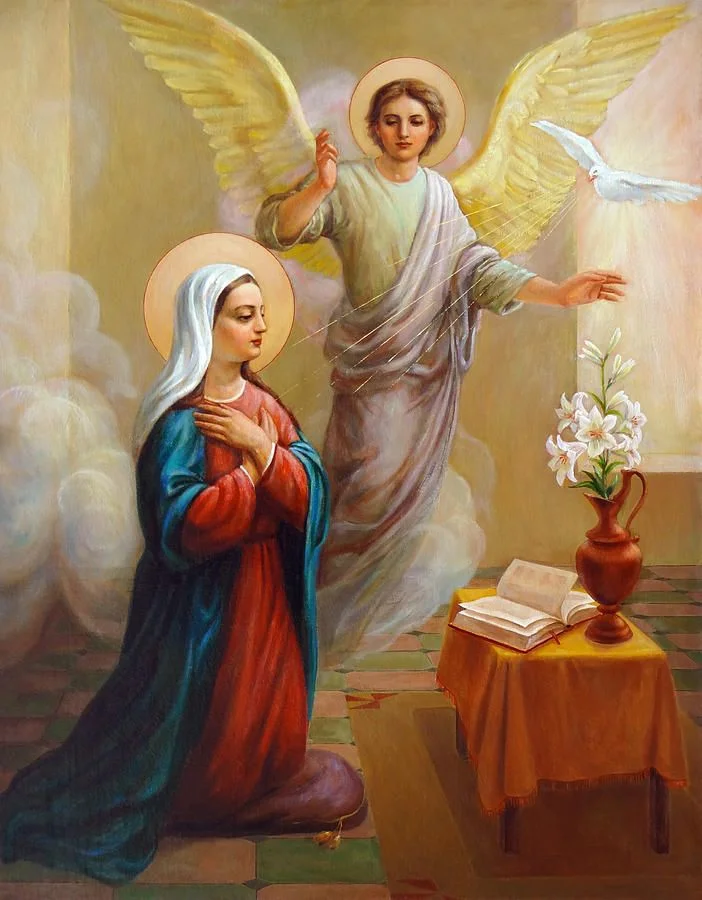
Mary's pivotal role in the economy of salvation stems from her unique status as the Theotokos, the God-bearer (Luke 1:43). This designation, established within the early Church, signifies her unparalleled participation in God's redemptive plan. The Annunciation narrative (Luke 1:26-38) exemplifies her complete submission to God's will ("fiat"), positioning her as the quintessential model of faith and obedience. This act of obedience, interpreted through the lens of theosis (deification), highlights her active cooperation in the Incarnation, initiating the process of humanity's reconciliation with God.
Mary's unwavering faith, as demonstrated in her acceptance of the Angel Gabriel's message, serves as a powerful example for believers. This resonates with the concept of "kenosis," or self-emptying, which Christ himself embodied. Mary's self-emptying surrender to God's plan directly parallels Christ's sacrifice, highlighting her crucial role in the redemptive process. Further, understanding Mary through the lens of typology reveals her as the "New Eve," contrasting the disobedience of Eve that led to the fall with Mary's obedience which facilitated humanity's redemption. This understanding aligns with the soteriological model that emphasizes the restoration of the broken relationship between God and humanity.
Catholic theology posits Mary's continued intercession on behalf of humanity. This is based on her ongoing communion with God and her intimate relationship with Jesus. Her intercession is not a substitution for personal prayer or a bypassing of Christ's mediatorial role; rather, it is a reflection of her ongoing maternal concern for humanity. This theological perspective resonates with the concept of "communion of saints," highlighting the interconnectedness of believers in their shared journey toward salvation. The various forms of Marian devotion, such as the Rosary and other Marian prayers, are understood as expressions of this belief and acts of spiritual communion with Mary.
Mary's role extends beyond her earthly life, culminating in her heavenly coronation as the Queen of Heaven (Revelation 12:1). This title, though symbolic, emphasizes her exalted position in the eschatological vision of the Church. Her presence in heavenly glory underscores the ultimate triumph of God's plan, emphasizing the complete restoration of creation and the eternal communion of the redeemed. This aligns with the ecclesiological understanding of the Church as the Mystical Body of Christ, with Mary occupying a place of honor within this heavenly community.
It is crucial to distinguish between the veneration of Mary and the worship of God. Catholic tradition unequivocally reserves worship for God alone; the veneration of Mary is an act of profound respect and honor given to the mother of God and a key figure in salvation history. This aligns with the principle of latria (worship due to God alone) and dulia (veneration accorded to saints and angels). This distinction is essential for maintaining the correct theological perspective on Maryβs role.
Maryβs role in the economy of salvation is a complex and deeply significant theological topic. Her unwavering faith, obedience, and active participation in God's redemptive plan make her a central figure in Catholic theology. Understanding her role allows for a richer appreciation of God's love and the power of human cooperation in God's grace. Future research could explore the comparative theological perspectives on Mary's role across different Christian denominations and investigate the evolving interpretations of Marian devotion throughout history. The emphasis should always remain on Jesus Christ as the ultimate source of salvation, with Mary's role being understood within the context of Christ's redemptive work.
Reader Pool: How might a deeper understanding of Mary's role within the systematic theology of salvation impact contemporary pastoral practice and spiritual formation?
```
Updated at: 2025-06-19 15:43:38 (8 months ago by Melkisedeck Leon Shine)
```htmlThis discourse explores the multifaceted role of Mary within Catholic theology, examining her significance as an advocate and protector of believers. We will analyze her unique position, utilizing theological concepts and principles to illuminate her importance in the spiritual lives of Catholics. Key terms such as intercession (the act of pleading on behalf of another), Theotokos (God-bearer), and Immaculate Conception will be defined and applied to contextualize Mary's role.
Mary's Unique Ontological Status and the Example of Faith
Mary's pivotal role as the Theotokos, the Mother of God, establishes her unparalleled position within Christian history and theology. Luke 1:43, where Elizabeth proclaims Mary as the mother of her Lord, underscores this divine maternity. This unique status is not merely biological; it establishes her as intrinsically linked to the divine plan of salvation. Furthermore, Mary's unwavering obedience to God's will, as exemplified by her acceptance of Gabriel's annunciation (Luke 1:38), "Behold, I am the handmaid of the Lord; let it be to me according to your word," provides a powerful model of faith and submission to divine providence. This illustrates the theological concept of kenosis, the self-emptying of one's will for the sake of God's, a principle central to Christian spirituality.
Mary as Intercessor: A Mediatory Role within the Communion of Saints
The Catholic Church affirms Mary's role as an intercessor, based on scriptural examples like her intervention at the wedding at Cana (John 2:3). This intercessory role, rooted in the concept of the Communion of Saints, posits that those in heaven, through their union with Christ, can pray for and advocate on behalf of those still on Earth. The Catechism of the Catholic Church reinforces this concept, highlighting Mary as a model of faith and charity. The Hail Mary prayer encapsulates this understanding, directly requesting Mary's intercession. This concept of mediation is not seen to contradict Christ's unique role as sole mediator, rather, it is understood as a collaborative act within the overall economy of salvation.
Mary's Protective Role and the Development of Marian Piety
Mary's role as protector is evident in various titles bestowed upon her, such as "Queen of Heaven." This title symbolizes her guardianship over humanity, reflecting the maternal protection associated with the archetype of the divine feminine. The devotion to the Immaculate Heart of Mary highlights her compassionate love for humanity and her sorrow for sin. This devotion underscores the potential for human reconciliation and divine mercy, reflecting the core tenets of Catholic soteriology. Furthermore, the emphasis on Mary's perpetual virginity underscores her complete consecration to God, enhancing her symbolic purity and serving as an aspirational model of holiness within the theological framework of Christian ethics.
Mary's Significance Across Christian Traditions
The veneration of Mary transcends denominational boundaries. The Orthodox tradition venerates her as the Theotokos, emphasizing her crucial role in the Incarnation. The similarities and differences in Marian piety across various Christian traditions illustrate the evolving interpretations of scripture and the diverse ways in which believers engage with their faith. This demonstrates the dynamic nature of religious interpretation and the ongoing dialogue within Christianity.
Mary as a Pathway to Christ: Avoiding Misinterpretations
It is essential to clarify that Mary's role as advocate does not diminish the centrality of Jesus Christ as the sole mediator between God and humanity. Rather, Mary's intercession is understood as a guiding path towards Christ, fostering a deeper relationship with Him. The devotion to Mary is not an obstacle but a means to spiritual growth, aligning with the concept of via negativaβfinding God through what He is notβand emphasizing the importance of spiritual practices within the context of sacramental theology.
Conclusion and Recommendations
Maryβs significance in Catholic theology extends far beyond a simple veneration. Her role as intercessor, protector, and exemplar of faith forms an integral component of Catholic spirituality. Further research could explore the evolution of Marian doctrines across historical periods, analyzing the social and cultural factors influencing these developments. A comparative theological study examining Marian piety across various Christian traditions would provide valuable insights into the diverse interpretations of Mary's role and their impact on Christian life. Understanding Mary's role necessitates a nuanced understanding of scripture, tradition, and the evolving theological discourse within the Church, emphasizing the importance of ecumenical dialogue and respectful interfaith engagement.
Reader Pool: In what ways do you believe the concept of Mary as an intercessor complements or challenges the understanding of Christ's unique mediatorial role within Christian theology?
```
Updated at: 2025-06-05 10:59:16 (8 months ago by Melkisedeck Leon Shine)
```htmlIntroduction: This paper explores the profound impact of devotion to Our Lady of Fatima, examining its theological underpinnings and practical applications within the framework of Catholic Marian theology. Key concepts, such as intercession (the act of a saint pleading on behalf of another before God), divine grace (God's unmerited favor), and theosis (deification or union with God), will be central to this analysis. We will explore how devotion to Mary, specifically as manifested in the Fatima apparitions, can facilitate spiritual growth, promote peace, and foster a deeper relationship with the divine.
The Marian Intercessory Role and the Fatima Apparitions: The Catholic tradition emphasizes Mary's role as intercessor, a concept deeply rooted in scripture and theological tradition. The Fatima apparitions (1917), a pivotal event in modern Marian history, highlight Mary's continued concern for humanity. This event, witnessed by three children, served as a powerful manifestation of divine grace, reinforcing Mary's mediatorial role and emphasizing the importance of prayer, conversion, and peace. This aligns with the theological principle of divine pedagogyβGod's gradual revelation of himself through history and sacred scripture.
Mary as a Model of Faith and Obedience: Mary's unwavering obedience to God's will, as exemplified in the Annunciation (Luke 1:38), provides a powerful example of faith and surrender. This resonates with the concept of kenosis (self-emptying), a Christological concept also applicable to Mary's life, demonstrating her complete submission to the divine plan of salvation. Her life serves as a model for believers striving for deeper spiritual union through self-emptying and obedience.
The Power of Prayer and the Rosary: Devotion to Our Lady of Fatima often involves the recitation of the Rosary, a contemplative prayer that meditates on the mysteries of Christ's life. This practice fosters contemplation and strengthens the relationship between believer and God. Through repeated prayer and mindful reflection on the life of Christ, the believer engages in a process of lectio divina (divine reading), deepening their spiritual understanding and promoting a closer union with the divine.
The Call to Conversion and Repentance: The Fatima message strongly emphasizes the need for conversion and repentance. This aligns with the central message of the Gospel, calling for a turning away from sin and a return to God's grace. This process of conversion can be understood through the lens of metanoia (a transformation of the mind and heart), highlighting the importance of spiritual renewal and moral reformation.
Promoting Peace and Social Justice: The Fatima apparitions stressed the importance of peace and prayer for peace. This resonates with Catholic Social Teaching, which emphasizes the dignity of the human person and the pursuit of justice and peace. Our Lady of Fatima's message encourages us to be agents of peace and reconciliation, working towards social justice and a more equitable world.
Seeking Mary's Maternal Protection and Intercession: Devotion to Mary fosters a sense of trust and reliance on her maternal care. This aligns with the concept of Mary as the βMother of the Church,β offering spiritual guidance and protection. This trust allows believers to approach God with confidence, knowing that they are supported by Mary's powerful intercession.
Spiritual and Physical Healing: Many testimonies attribute physical, emotional, and spiritual healing to the intercession of Our Lady of Fatima. While these claims require careful discernment, they highlight the power of faith and prayer in promoting healing and well-being. This aligns with the concept of sacramental efficacy, recognizing the potential for spiritual practices to facilitate healing and grace.
Strengthening Family Life and Promoting Holiness: Devotion to Our Lady of Fatima can strengthen family life through shared prayer and devotion. Mary's example of nurturing and caring for Jesus underscores the importance of faith-based family unity. Moreover, this devotion promotes a life of holiness, striving for virtue and imitating Christ, a process that reflects the concept of sanctification β the ongoing process of becoming holy through God's grace.
Conclusion and Recommendations: This exploration of devotion to Our Lady of Fatima reveals its profound theological significance and its practical application in promoting spiritual growth, fostering peace, and strengthening faith. Further research could delve into empirical studies on the impact of Marian devotion on various aspects of well-being. The Fatima message serves as a timeless reminder of the importance of prayer, conversion, and the pursuit of peace. Integrating Marian devotion into pastoral care and spiritual direction can be beneficial for personal growth and community building. Promoting the principles of conversion, prayer, and peace through programs rooted in the message of Fatima can significantly impact individuals and communities.
Reader Pool: Considering the theological and historical context presented, what are your thoughts on the efficacy of Marian devotion in promoting individual and societal transformation?
```
Updated at: 2023-08-05 13:19:14 (2 years ago by Melkisedeck Leon Shine)
The Intercession of the Blessed Virgin Mary π
The role of the Blessed Virgin Mary in the Catholic faith is one that holds great importance and reverence. As the Mother of God, she is seen as a powerful intercessor for all believers. πΉ
The concept of intercession refers to the act of someone praying on behalf of others. In the case of the Blessed Virgin Mary, her intercession is believed to be particularly potent due to her special relationship with Jesus. π
Throughout the Bible, we see instances of individuals seeking the intercession of Mary. One notable example is the Wedding at Cana, where Mary, noticing that the wine had run out, intercedes with Jesus on behalf of the wedding couple. Jesus, in turn, listens to his mother's request and performs his first miracle, turning water into wine. π·
This event serves as a powerful testimony to the intercessory power of the Blessed Virgin Mary. Her love and concern for others, combined with her close relationship with Jesus, allow her to bring our prayers and petitions directly to her Son. β¨
The Catechism of the Catholic Church states, "By asking Mary to pray for us, we acknowledge ourselves to be poor sinners and we address ourselves to the 'Mother of Mercy,' the All-Holy One." Mary's intercession is seen as a way to seek God's mercy and guidance in our lives. π
Catholic Saints have also written extensively about the intercession of the Blessed Virgin Mary. St. Louis de Montfort, for example, wrote in his famous book "True Devotion to Mary" about the power of Marian intercession and how it can lead us closer to Jesus. π
The rosary, a popular Catholic devotional prayer, is another way in which believers seek the intercession of Mary. By praying the Hail Mary and meditating on the mysteries of the life of Christ, Catholics believe they can draw closer to God through the intercession of the Blessed Virgin Mary. πΏ
One of the most remarkable aspects of Mary's intercession is that it extends to all aspects of our lives. Whether we are seeking guidance, healing, or simply comfort, Mary is always ready to intercede on our behalf. Her love for us as her children knows no bounds. β€οΈ
The Gospel of Luke provides further evidence of Mary's intercessory role. When the Angel Gabriel visited Mary to tell her she would bear the Son of God, he greeted her, saying, "Hail, full of grace, the Lord is with you" (Luke 1:28). This greeting acknowledges Mary's unique position as the one chosen by God to be the Mother of Jesus. π
The Catholic Church teaches that Mary's intercession is not a substitute for our direct relationship with God, but rather a way to enhance and deepen our connection to Him. It is through Mary that we can better understand and appreciate the love and mercy of our Heavenly Father. π
Another biblical example of Mary's intercession can be found at the foot of the Cross. While Jesus was dying, he entrusted his mother to the care of the Apostle John, saying, "Woman, behold, your son!" and to John, "Behold, your mother!" (John 19:26-27). In this moment, Jesus established Mary's role as the Mother of all believers, symbolizing her intercessory role in the life of the Church. π
Mary's intercession is not limited to her time on Earth but continues even in Heaven. The book of Revelation describes a vision of Mary appearing as the "woman clothed with the sun" who gives birth to a male child (Revelation 12:1-6). This image represents Mary's ongoing intercession for the Church and all believers. π
The Catholic Church teaches that Mary's intercession is so powerful that she can bring about miracles and healings. Countless testimonies and stories from believers all over the world attest to the miraculous intercession of the Blessed Virgin Mary in times of need. π
As Catholics, we are encouraged to turn to Mary in all aspects of our lives. Whether we are seeking guidance in our relationships, careers, or spiritual journeys, Mary is always there to intercede for us. Her love and compassion are boundless, and she desires nothing more than to lead us closer to her Son. πΉ
In conclusion, the intercession of the Blessed Virgin Mary is a beautiful aspect of the Catholic faith. Through her prayers and love, she brings us closer to Jesus and helps us experience His mercy and grace in our lives. May we always turn to Mary as our loving mother and seek her intercession in all our needs. π
What are your thoughts on the intercession of the Blessed Virgin Mary? Do you have any personal experiences or testimonies of her intercession in your life?
Updated at: 2023-08-05 13:20:16 (2 years ago by Melkisedeck Leon Shine)
Mary's Role in the Eucharistic Mystery πΉπ
The Eucharistic mystery holds a special place in the hearts of Christians around the world. It is the ultimate act of love, where Jesus Christ offers himself to us in the form of bread and wine. But have you ever wondered about Mary's role in this incredible sacrament? Today, let's explore the profound connection between Mary and the Eucharistic mystery.
Mary's Fiat: When the angel Gabriel appeared to Mary and asked her to be the mother of Jesus, she humbly accepted, saying, "Behold, I am the handmaid of the Lord; let it be to me according to your word" (Luke 1:38). This moment of complete surrender laid the foundation for the Eucharistic mystery.
The Annunciation: Mary's "yes" at the Annunciation foreshadows her ultimate role as the Mother of God, who would give us the Bread of Life. Just as she carried Jesus in her womb, she carries him within her heart in the Eucharist. πΉβ€οΈ
The Wedding at Cana: At the wedding feast in Cana, Mary intercedes on behalf of the guests when the wine runs out. Jesus performs his first miracle, turning water into wine. This miraculous event signifies the transformation of ordinary elements into something extraordinary, just as the bread and wine become the body and blood of Christ in the Eucharist. π·π₯
The Crucifixion: During the crucifixion, Mary stood at the foot of the cross, witnessing the ultimate sacrifice of her son for our salvation. In his final moments, Jesus entrusted Mary to the beloved disciple, saying, "Woman, behold your son" (John 19:26). In this moment, Mary becomes the spiritual mother of all believers, guiding us towards the Eucharistic mystery. ππ
The Upper Room: After the resurrection, the disciples gathered in the Upper Room, where they received the gift of the Holy Spirit. Mary, being present with them, undoubtedly played a crucial role in this transformative event, which would give birth to the Church and the Eucharistic celebration. ποΈ
Mother of the Church: The Second Vatican Council recognized Mary as the Mother of the Church, emphasizing her role in the spiritual life of all believers. As the Mother of God, she intercedes on our behalf, guiding us closer to the Eucharistic mystery. πΉπ
The Assumption: The Assumption of Mary into Heaven, body and soul, is a reminder of her unique role in salvation history. It is through her that Jesus came into the world, and it is through her that we are led to him in the Eucharist. ππ
Eucharistic Adoration: The practice of Eucharistic adoration, where the consecrated host is exposed for prayer and worship, is a beautiful way to honor the presence of Christ in the Eucharist. Mary's presence at the foot of the cross inspires us to approach this sacred mystery with reverence and love. πβ€οΈ
Saints and the Eucharist: Throughout history, countless saints have spoken about the significance of the Eucharist and Mary's role in it. Saint John Paul II once said, "Mary is present, with the Church and as the Mother of the Church, at each of our celebrations of the Eucharist." πΉπ
The Catechism: The Catechism of the Catholic Church teaches that "Mary's role in the Church is inseparable from her union with Christ and flows directly from it" (CCC 964). This union extends to the Eucharistic mystery, as Mary leads us to her Son. ππΉ
Divine Maternity: The Church teaches that Mary's divine maternity is not limited to the physical birth of Jesus but also encompasses her participation in his redemptive sacrifice. Through her cooperation with God's plan, she becomes intimately united with the Eucharistic mystery. π€°πΉ
Our Mother in Faith: Just as Mary cared for Jesus throughout his earthly life, she continues to care for us as our spiritual mother. She guides us towards the Eucharistic mystery, nurturing our faith and helping us to grow closer to her Son. πΉπ
The Rosary: The Rosary, a powerful prayer that reflects on the life of Christ, is often prayed with devotion to Mary. As we meditate on the mysteries, including the institution of the Eucharist, Mary's presence deepens our understanding and love for the Eucharistic mystery. πΏπΉ
The Visitation: When Mary visited her cousin Elizabeth, she proclaimed the greatness of the Lord and rejoiced in God's saving work. In a similar way, Mary leads us to rejoice in the Eucharistic mystery, where we encounter the living God. πΉβ¨
Mary's Invitation: As we reflect on Mary's role in the Eucharistic mystery, we are invited to deepen our love and devotion to her. She is not only the Mother of God but also our mother in faith, guiding us towards the source and summit of our Christian life. πΉπ
What are your thoughts on Mary's role in the Eucharistic mystery? How has she impacted your own spiritual journey? πΉποΈ
Updated at: 2023-08-05 13:19:13 (2 years ago by Melkisedeck Leon Shine)
The Miraculous Power of the Virgin Mary: Mother of God
π Introduction π
Have you ever experienced the miraculous power of the Virgin Mary, the Mother of God, in your life? As a devoted Christian Roman Catholic, I have witnessed the divine intercession of Mary countless times, bringing comfort, healing, and miracles to those who seek her intercessory prayers. Let us delve into the wondrous role of the Virgin Mary in our faith and explore the profound impact she continues to have in our lives.
1οΈβ£ The Miracle of the Immaculate Conception
One of the most awe-inspiring aspects of the Virgin Mary's life is her Immaculate Conception. Unlike any other human being, she was conceived without the stain of original sin. Through this divine intervention, Mary was chosen by God to be the vessel through which His Son, Jesus Christ, would be born into the world. This immaculate conception highlights Mary's unique and exalted role as the Mother of God.
β‘οΈ "Full of grace" - Luke 1:28 β‘οΈ "Blessed are you among women" - Luke 1:42
2οΈβ£ The Annunciation: Mary's Fiat
In the Gospel of Luke, we witness the humble obedience of the Virgin Mary when the angel Gabriel appears to her, announcing that she will conceive a child by the Holy Spirit. Despite her initial confusion, Mary submits herself entirely to God's will, stating, "Behold, I am the handmaid of the Lord; let it be to me according to your word." (Luke 1:38) Mary's fiat, her "yes" to God, demonstrates her unwavering faith and trust in His plan.
3οΈβ£ The Mother of God
Mary's unique role as the Mother of God is a central tenet of our Christian faith. At the Council of Ephesus in 431 AD, the Church officially declared Mary as Theotokos, the God-bearer. This title affirms her divine motherhood and emphasizes her integral connection to the Incarnation of Jesus Christ, who is both fully human and fully divine.
β‘οΈ "...the mother of my Lord." - Luke 1:43 β‘οΈ The Catechism of the Catholic Church, paragraph 495
4οΈβ£ Mary's Perpetual Virginity
Contrary to some misconceptions, the Catholic Church firmly upholds the perpetual virginity of Mary. She gave birth to Jesus, the Son of God, but remained a virgin throughout her life. This miraculous aspect of Mary's life underscores her complete devotion to God and her unwavering commitment to her divine mission.
β‘οΈ "I know not man." - Luke 1:34 β‘οΈ The Catechism of the Catholic Church, paragraph 499
5οΈβ£ Mary's Intercession and Miracles
The Virgin Mary's intercessory power is a constant source of comfort and hope for millions of faithful believers. Throughout history, there have been numerous accounts of miraculous healings, conversions, and protection attributed to her intercession. These miracles serve as a testament to Mary's profound love for humanity and her unwavering dedication to assisting us in our spiritual journey.
β‘οΈ "Do whatever he tells you." - John 2:5 β‘οΈ The Catechism of the Catholic Church, paragraph 2677
6οΈβ£ Apparitions of the Virgin Mary
In addition to her intercessory role, Mary has appeared to various individuals throughout history, offering messages of love, repentance, and the call to prayer. Apparitions such as Our Lady of Guadalupe, Lourdes, and Fatima have captured the hearts and souls of believers worldwide, reinforcing Mary's role as a guiding presence in our lives.
7οΈβ£ The Rosary: A Powerful Devotion
The Rosary, a popular and powerful devotion in the Catholic Church, is closely intertwined with the Virgin Mary. Through the repetition of prayers and meditation on the life of Christ, Mary's intercession becomes a tangible and transformative experience. The Rosary serves as a spiritual weapon, battling the forces of evil and bringing peace and comfort to those who faithfully embrace this beautiful practice.
8οΈβ£ The Assumption of Mary
The Assumption of Mary into Heaven is another miraculous event that epitomizes her unique relationship with God. Pope Pius XII declared in 1950 that Mary, at the end of her earthly life, was taken body and soul into the glory of Heaven. This dogma affirms Mary's exalted position as the first among the redeemed and highlights the splendor of her eternal reward.
β‘οΈ "All generations will call me blessed." - Luke 1:48 β‘οΈ The Catechism of the Catholic Church, paragraph 966
9οΈβ£ Mary's Role as Our Mother
As Catholics, we recognize Mary as our spiritual mother, always ready to intercede for us and guide us closer to her Son, Jesus Christ. Just as Jesus entrusted His beloved disciple John to Mary's care at the foot of the cross, He has also entrusted each one of us to her maternal love. Mary's tender care and protection bring solace and strength to those who turn to her in times of need.
π The Power of Love and Devotion
The miraculous power of the Virgin Mary stems from her perfect love for God and her unwavering devotion to His will. As we deepen our relationship with Mary, we open ourselves to the boundless graces and blessings she brings to our lives. Her intercession, like a loving mother's embrace, envelops us in divine love and guides us on the path to holiness.
What are your thoughts on the miraculous power of the Virgin Mary, the Mother of God? How has she touched your life? Share your experiences and opinions below!

Updated at: 2025-06-19 15:29:00 (8 months ago by Melkisedeck Leon Shine)
Article Title: Mary as a Paradigm of Faith and Intercession: Navigating Life's Adversities
Introduction:
This article explores the multifaceted role of Mary, the mother of Jesus, within the Catholic faith, focusing on her significance as a source of spiritual guidance and strength in confronting life's challenges. We will analyze her influence through various theological lenses, examining key doctrines and their practical applications in navigating personal adversity. Key concepts to be discussed include Marian doctrines (Immaculate Conception, Assumption), the concept of intercession, and the application of relevant theological principles such as divine grace and spiritual growth. We will further examine the practical application of these concepts through the lens of various devotional practices and historical examples.
Mary's Theological Significance and the Doctrine of Intercession:
Mary's unique position as the Theotokos (God-bearer) in Christian theology establishes her pivotal role. The doctrine of the Immaculate Conception, proclaiming her conception without original sin, highlights her purity and emphasizes her suitability as the vessel for the Incarnation. This concept, rooted in the theological principle of prevenient grace, suggests a divine preparation for her role in salvation history. Her unwavering faith and obedience, exemplified in her Magnificat (Luke 1:46-55), serve as a model of humble submission to God's will. Furthermore, the Catholic understanding of Mary's intercession builds upon her maternal relationship with Jesus. This intercession is not a bypassing of Christ, but rather a manifestation of the communion of saints, a powerful theological concept illustrating the interconnectedness of believers in their journey towards God. Similar to the concept of "advocacy" in secular settings, Mary's intercession provides solace and hope, echoing the comforting presence of a compassionate mother.
Mary as a Guide Through Adversity: Practical Application of Marian Devotion:
Mary's life, depicted in scripture and tradition, is replete with trials and tribulations. Her perseverance despite the uncertainties surrounding Jesus' birth and her unwavering support during his ministry and crucifixion serve as inspirational examples. Applying a cognitive-behavioral therapy framework, we see Mary modeling adaptive coping mechanisms in the face of significant stressors. Her unwavering faith serves as a paradigm of resilience. Devotional practices like the Rosary, a form of contemplative prayer focusing on the mysteries of Christβs life, offer a structured approach to cultivating this resilience. The act of reciting the prayers and contemplating the events enhances mindfulness, promotes emotional regulation, and strengthens faith, drawing upon the principles of spiritual formation and the cultivation of virtuous habits.
Mary's Role in Apparitions and Messages: Examining Claims of Divine Revelation:
Numerous reported Marian apparitions throughout history, such as at Guadalupe and Fatima, have profoundly impacted faith and offered messages of repentance, hope, and conversion. While the Church evaluates such events rigorously, their enduring influence underscores the significance of Mary's perceived maternal presence. From a sociological perspective, these apparitions may be understood as expressions of collective hope and a desire for divine guidance during periods of societal upheaval, providing comfort and a sense of unity in times of crisis. The messages frequently emphasize prayer, penance, and devotion, reflecting a call for personal spiritual transformation.
Mary as Spiritual Mother and Her Representation in Art and Culture:
The concept of Mary as spiritual mother extends beyond her biological role. Jesus' entrusting her to John (John 19:27) signifies her role as a spiritual guide for all believers. This maternal role is underscored by social learning theory, where Mary acts as a role model and facilitates spiritual growth in her followers. The widespread representation of Mary in art and various devotional practices across different cultures, further highlights her importance. These artistic and cultural expressions serve as visual and emotional anchors for faith, enriching the spiritual experiences of believers and deepening their connection with Mary and the divine.
Conclusion and Recommendations:
Mary's role in Catholic theology is multifaceted and deeply significant. Her life, teachings, and reported apparitions provide a rich source of spiritual guidance, particularly in navigating life's difficulties. The principles of faith, resilience, and devotion, as exemplified by her life, can be effectively applied using various methods, including contemplative prayer, community engagement, and charitable works. Further research could explore the comparative effectiveness of Marian devotional practices on psychological well-being and their impact on social cohesion. Analyzing the psychological mechanisms underlying the perceived efficacy of Marian intercession could also provide valuable insights into the role of faith in coping with adversity. The enduring appeal of Marian devotion highlights the enduring human need for spiritual solace and maternal guidance. Understanding the theological framework and psychological implications of this devotion offers a pathway to further explore the intersection of faith and human experience.
Reader Pool:
Considering the multifaceted aspects of Maryβs role discussed in this article, how might a deeper understanding of Marian theology inform the development of effective pastoral care strategies?
Updated at: 2025-06-22 10:01:23 (8 months ago by Melkisedeck Leon Shine)
This essay examines the pivotal role of the Virgin Mary (Theotokos) within the Christian soteriological framework, employing theological principles and models to illuminate her significance. Key concepts such as soteriology (the study of salvation), Christology (the study of Christ), and Mariology (the study of Mary) will be explored, demonstrating their interconnectedness in understanding Mary's contribution to humanity's redemption. The analysis will move chronologically through key Marian events, interpreting them through established theological lenses.
Conclusions and Recommendations: This analysis demonstrates the profound and multifaceted role of the Virgin Mary within the Christian soteriological framework. Her significance extends beyond historical events, shaping theological doctrines and influencing Christian spirituality across diverse contexts. Further research could explore the evolving interpretations of Marian theology across different cultural and historical periods. Developing interfaith dialogues which explore shared understandings of motherhood and spiritual guidance would be invaluable. The integration of Marian themes within contemporary socio-political debates concerning justice and equality, and in promoting ecumenical dialogue could yield significant impact. The application of Mary's example of faith and compassion in addressing contemporary global challenges offers a path for increased societal reconciliation and healing. Her influence offers a potent model for fostering positive societal change.
Reader Pool: Considering the multifaceted interpretations and evolving roles attributed to the Virgin Mary throughout history and across various theological perspectives, what are the most significant challenges and opportunities in contemporary Marian theology?
Updated at: 2025-06-23 09:06:36 (8 months ago by Melkisedeck Leon Shine)
```htmlIntroduction: Defining Key Concepts
This article explores the theological concept of Mary as Mediatrix, examining her role within Catholic theology and its implications for the spiritual lives of believers. We will define key terms: mediation, in this context, refers to Mary's role as an intercessor, not as a rival to Christ's unique mediation but as a conduit of divine grace. Intercession is the act of pleading on behalf of another. This exploration draws upon biblical passages, theological principles, and the historical understanding of Mary's place within the Christian faith. We will analyze the significance of Mary's role through the lens of various theological models and frameworks, including the concept of divine grace and its transmission within the context of salvation.
Mary's Divine Motherhood and Intercessory Role
The foundational basis for understanding Mary's role as Mediatrix is her divine motherhood. Luke 1:43, where Elizabeth proclaims Mary "the mother of my Lord," establishes Mary's unique relationship with Jesus, the Son of God. This divine motherhood, however, does not diminish Christ's unique mediatorship but rather provides a framework for understanding Mary's intercessory role. Theological models that emphasize the interconnectedness of the Trinity (e.g., Trinitarian theology) can illuminate this dynamic, suggesting that Mary's intercession is an expression of the divine economy, not a subversion of it. This is consistent with the principle of plenitude, where Godβs actions are both supremely powerful and simultaneously graceful and merciful. The relationship between Mary's intercession and divine grace aligns with the concept of instrumental causality, where God utilizes secondary causes (in this case, Mary's prayer) to achieve His purposes.
Biblical Examples of Mary's Intercession
The wedding at Cana (John 2:1-12) serves as a prime example of Mary's intercessory role. Her intervention prompts Jesus's first miracle, illustrating her capacity to influence His actions on behalf of others. This episode demonstrates the efficacy of prayer and its influence on divine action. This can be understood using the framework of communicatio idiomatum, emphasizing the union between Christ's humanity and divinity, suggesting Mary's appeal to him leveraged his divine nature while simultaneously respecting his human experience. This model highlights the interaction between divine sovereignty and human participation in the divine plan.
Mary in Catholic Devotion and Tradition
Catholic devotion, particularly the Rosary, highlights Mary's mediatorial role. The repetitive prayer of the Hail Mary explicitly requests her intercession. The Rosary itself can be viewed through the lens of participatory theologies, emphasizing the active role of believers in cooperating with God's grace. This active participation is further reinforced by the theological concept of sanctification, wherein the believer gradually becomes more holy and Christ-like. The saints' unwavering faith in Mary's mediation further supports this aspect, underscoring the historical understanding of her role within the Catholic Church.
Mary's Role in the Ecclesial Context
The Catholic Church's consistent affirmation of Mary's mediatorship underscores its theological significance. Statements by Popes, such as Pope St. John Paul IIβs reflections on Mary's role in the mystery of redemption, emphasize her position as Mother of Christ and mother to humanity. This perspective aligns with the Church's understanding of the communion of saints, highlighting the interconnectedness of believers across time and space. It also emphasizes the ecclesial nature of salvation, suggesting that the Church is not merely an institution but a living body united in Christ and actively participating in God's saving grace, mirroring the communal aspects of the early church as depicted in the Acts of the Apostles.
The Assumption and Mary's Heavenly Glory
The dogma of the Assumption underscores Mary's unique relationship with Christ, affirming her bodily ascension into heaven. This belief signifies her ultimate triumph over sin and death, reinforcing her role as a model of faithful discipleship. This aligns with the broader Christian concept of eschatology, the study of final things, suggesting a preview of the ultimate victory over death and the promise of heavenly glory. The Assumption can be viewed as a prefiguration of the future hope for all believers, underscoring the significance of Mary's example in the context of Christian discipleship. The theological implications of this belief point to the eschatological fulfillment of salvation history.
Mary's Maternal Love and Our Personal Relationship with Her
Mary's maternal love, evident in her care for Jesus and her continued solicitude for humanity, encourages a personal relationship with her as a loving mother. This personal aspect resonates with the concept of agape, the self-sacrificing love characteristic of God's love for humanity. Her example fosters a deep, nurturing connection with believers seeking guidance and support in their spiritual journeys. Mary's role isn't solely theological; it's profoundly pastoral, providing comfort, guidance, and an example of faith and surrender.
Conclusion and Recommendations
The theological exploration of Mary as Mediatrix reveals a profound and multifaceted understanding of her role within the Christian faith. Her intercessory role, rooted in her divine motherhood and supported by biblical examples and theological reflection, offers believers a powerful model of faith and surrender. Future research could explore further the relationship between Mary's mediatorship and contemporary theological debates, specifically investigating comparative approaches from different Christian denominations. Analyzing different devotional practices focused on Mary across cultures and their impact on the spiritual formation of believers could also provide further insights. The concept of Marian devotion requires continued analysis and discussion to fully understand its nuances and impact on the Christian faith.
Reader Pool:
Considering the various theological perspectives presented, how might a deeper understanding of Mary's mediatorship enrich contemporary approaches to prayer and spiritual growth within the Christian community?
```