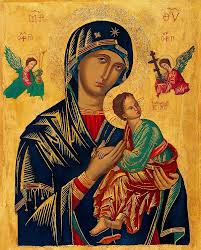
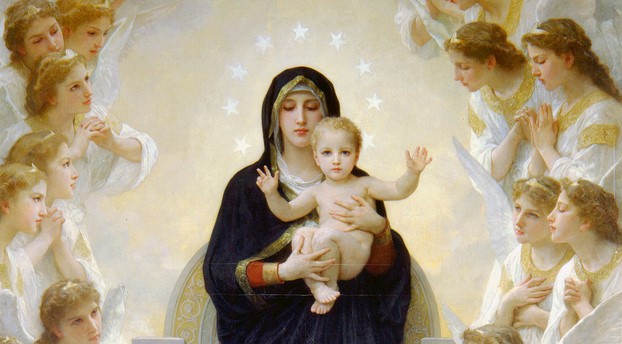
The Intercession of the Blessed Virgin Mary
Welcome Back.
Updated at: 2023-08-05 13:19:14 (2 years ago by Melkisedeck Leon Shine)
The Intercession of the Blessed Virgin Mary ๐
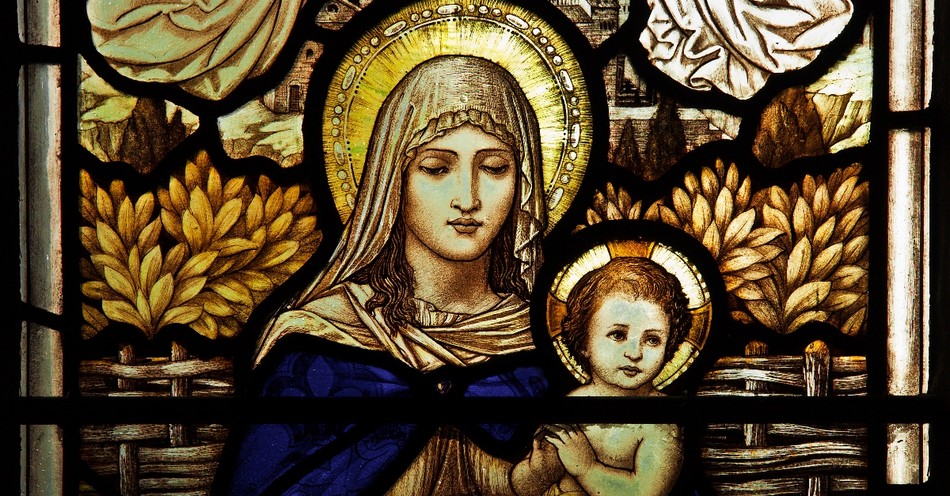
The role of the Blessed Virgin Mary in the Catholic faith is one that holds great importance and reverence. As the Mother of God, she is seen as a powerful intercessor for all believers. ๐น
The concept of intercession refers to the act of someone praying on behalf of others. In the case of the Blessed Virgin Mary, her intercession is believed to be particularly potent due to her special relationship with Jesus. ๐
Throughout the Bible, we see instances of individuals seeking the intercession of Mary. One notable example is the Wedding at Cana, where Mary, noticing that the wine had run out, intercedes with Jesus on behalf of the wedding couple. Jesus, in turn, listens to his mother's request and performs his first miracle, turning water into wine. ๐ท
This event serves as a powerful testimony to the intercessory power of the Blessed Virgin Mary. Her love and concern for others, combined with her close relationship with Jesus, allow her to bring our prayers and petitions directly to her Son. โจ
The Catechism of the Catholic Church states, "By asking Mary to pray for us, we acknowledge ourselves to be poor sinners and we address ourselves to the 'Mother of Mercy,' the All-Holy One." Mary's intercession is seen as a way to seek God's mercy and guidance in our lives. ๐
Catholic Saints have also written extensively about the intercession of the Blessed Virgin Mary. St. Louis de Montfort, for example, wrote in his famous book "True Devotion to Mary" about the power of Marian intercession and how it can lead us closer to Jesus. ๐
The rosary, a popular Catholic devotional prayer, is another way in which believers seek the intercession of Mary. By praying the Hail Mary and meditating on the mysteries of the life of Christ, Catholics believe they can draw closer to God through the intercession of the Blessed Virgin Mary. ๐ฟ
One of the most remarkable aspects of Mary's intercession is that it extends to all aspects of our lives. Whether we are seeking guidance, healing, or simply comfort, Mary is always ready to intercede on our behalf. Her love for us as her children knows no bounds. โค๏ธ
The Gospel of Luke provides further evidence of Mary's intercessory role. When the Angel Gabriel visited Mary to tell her she would bear the Son of God, he greeted her, saying, "Hail, full of grace, the Lord is with you" (Luke 1:28). This greeting acknowledges Mary's unique position as the one chosen by God to be the Mother of Jesus. ๐
The Catholic Church teaches that Mary's intercession is not a substitute for our direct relationship with God, but rather a way to enhance and deepen our connection to Him. It is through Mary that we can better understand and appreciate the love and mercy of our Heavenly Father. ๐
Another biblical example of Mary's intercession can be found at the foot of the Cross. While Jesus was dying, he entrusted his mother to the care of the Apostle John, saying, "Woman, behold, your son!" and to John, "Behold, your mother!" (John 19:26-27). In this moment, Jesus established Mary's role as the Mother of all believers, symbolizing her intercessory role in the life of the Church. ๐
Mary's intercession is not limited to her time on Earth but continues even in Heaven. The book of Revelation describes a vision of Mary appearing as the "woman clothed with the sun" who gives birth to a male child (Revelation 12:1-6). This image represents Mary's ongoing intercession for the Church and all believers. ๐
The Catholic Church teaches that Mary's intercession is so powerful that she can bring about miracles and healings. Countless testimonies and stories from believers all over the world attest to the miraculous intercession of the Blessed Virgin Mary in times of need. ๐
As Catholics, we are encouraged to turn to Mary in all aspects of our lives. Whether we are seeking guidance in our relationships, careers, or spiritual journeys, Mary is always there to intercede for us. Her love and compassion are boundless, and she desires nothing more than to lead us closer to her Son. ๐น
In conclusion, the intercession of the Blessed Virgin Mary is a beautiful aspect of the Catholic faith. Through her prayers and love, she brings us closer to Jesus and helps us experience His mercy and grace in our lives. May we always turn to Mary as our loving mother and seek her intercession in all our needs. ๐
What are your thoughts on the intercession of the Blessed Virgin Mary? Do you have any personal experiences or testimonies of her intercession in your life?
Updated at: 2025-06-05 13:41:38 (8 months ago by Melkisedeck Leon Shine)
```htmlThis essay examines the role of Mary, the mother of Jesus, as a model of faith within Christian theology. Key concepts explored include theosis (deification or divine likeness), kenosis (self-emptying), intercession (prayer on behalf of others), and the concept of Mary as a type (a prefiguration of a later reality, in this case, the Church).
The Annunciation and the Virtue of Kenosis: The Annunciation (Luke 1:26-38) presents Mary's initial encounter with the divine. Gabriel's announcement of her conception of Jesus, a son of God, is met not with fear or rejection, but with humble acceptance. Mary's response, "Behold, I am the handmaid of the Lord; let it be to me according to your word," exemplifies kenosis. She willingly relinquishes her own desires and plans, submitting completely to God's will. This act of self-emptying serves as a powerful model for believers, reminding us that authentic faith requires a willingness to surrender to God's sovereign plan, aligning our individual desires to the divine will, a critical component of spiritual growth and transformative living, as outlined by various spiritual formation models. This highlights the importance of self-awareness and a discerning approach to recognizing and responding to God's call in one's own life.
The Magnificat: A Proclamation of Theosis: Mary's Magnificat (Luke 1:46-55) is a hymn of praise revealing her profound understanding of God's power and grace. Her words reflect a deep awareness of God's plan of salvation, highlighting the reversal of societal power dynamics. The Magnificat's emphasis on God's power to exalt the humble and to bring down the mighty serves as a powerful testament to God's transformative power, illustrating the concept of theosis โ the process of becoming increasingly like God. This active participation in God's redemptive work is an inspirational model for Christians, who are called to participate in God's plan in their daily lives. Furthermore, the Magnificat embodies a model for faithful living, emphasizing gratitude, humility, and a recognition of God's active involvement in the world.
The Wedding at Cana: Intercession and Collaboration with Christ: The miracle at Cana (John 2:1-11) depicts Mary's role as intercessor. Her intervention on behalf of the wedding guests demonstrates her understanding of Jesus' divine power and her trust in His ability to provide. Her simple statement, "They have no wine," initiates a divine response. While some interpretations might portray a passive role, a deeper theological lens suggests an active collaboration with Christ in His ministry. This illustrates the power of faithful intercession and the importance of prayerful engagement with God on behalf of others, mirroring the relational approach in pastoral care and counseling, where empathetic listening and collaborative problem solving are crucial.
The Crucifixion: Endurance, Trust, and the Motherhood of Believers: Mary's presence at the foot of the cross (John 19:25-27) offers a profound lesson in unwavering faith amidst suffering. Her enduring loyalty to her Son, even in the face of immense grief, demonstrates remarkable fortitude and reliance upon God's unwavering love. This emphasizes the importance of perseverance during life's trials, teaching believers to find strength through trust in divine providence. Her role as the mother of believers, as Jesus entrusts her to John, underscores the role of the Church as a supportive and nurturing community, supporting one another through times of grief and challenge.
The Assumption: Eschatological Hope and the Promise of Resurrection: The Assumption of Mary (a doctrine affirmed by the Catholic Church) signifies her bodily and spiritual ascension into heaven. This event speaks to the ultimate triumph of faith and hope in the face of death, offering a powerful eschatological message of resurrection and eternal life. It reflects the anticipation of believers towards their own union with God and the fulfillment of God's promises. This doctrine inspires believers to seek a life of holiness and virtuous living, striving toward achieving union with God.
Conclusion and Recommendations: Mary's life, as presented in scripture and theological tradition, offers a comprehensive model of faith for all believers. Her obedience, humility, intercession, and steadfast trust in God in the face of suffering inspire us to deepen our relationship with Christ and to strive for a life that reflects his teachings. Further research could explore the comparative theologies surrounding Mary's role across different Christian denominations, analyzing how varying interpretations impact lived faith and community engagement. Analyzing the socio-cultural impacts of the Marian traditions on the lives of believers could further enhance our understanding of the depth and breadth of Mary's influence on Christian spirituality. The practical application of Maryโs example could be further explored through case studies of individuals who have demonstrated similar virtues of faith and perseverance in challenging circumstances. This deeper understanding will provide a clearer insight into how Maryโs model can be effectively applied in contemporary contexts to foster spiritual growth and resilience in individuals and communities.
Reader Pool: Considering the diverse interpretations of Mary's role within Christianity, how might a more nuanced understanding of Marian theology contribute to fostering ecumenical dialogue and collaboration among different Christian traditions?
```
Updated at: 2025-06-05 11:02:40 (8 months ago by Melkisedeck Leon Shine)
```htmlThis article explores the profound spiritual significance of consecration to the Immaculate Heart of Mary within the Catholic faith. We will analyze this devotion through the lens of theological principles, examining its impact on personal spirituality and its role in fostering a deeper relationship with God. Key concepts such as Marian devotion, sacramental theology, and the concept of divine grace will be central to this discussion.
Marian Devotion and the Immaculate Heart: Marian devotion, the veneration of Mary, mother of Jesus, is a cornerstone of Catholic tradition. The Immaculate Heart, symbolizing Mary's purity and unwavering love for God and humanity, is a potent focal point for this devotion. This devotion is not mere sentimentality; it's rooted in the belief that Mary's life and intercession provide a powerful pathway to divine grace and spiritual growth. This is supported by the theological understanding of the communion of saints, where the faithful believe in the interconnectedness of all believers, both living and deceased, in a shared spiritual journey.
Spiritual Transformation through Consecration: The act of consecrating oneself to the Immaculate Heart of Mary is an act of complete surrender and entrustment. This aligns with the theological principle of kenosis โ the self-emptying of one's will to embrace God's will. This process fosters a strengthened relationship with Mary, seen as a spiritual mother, offering comfort, guidance, and protection (similar to the concept of maternal care in attachment theory). The psychological implications include increased feelings of security and empowerment.
Aligning with Divine Will: Mary's unwavering obedience to God's plan, as exemplified in the Magnificat (Luke 1:46-55), serves as a model for consecration. By consecrating oneself, one actively submits to God's plan, allowing for a deeper understanding of one's vocation and purpose. This surrender mirrors the theological concept of divine providence, recognizing God's active and guiding presence in human life.
Mary's Intercessory Role: The belief in Mary's intercession is central to Catholic theology. Her unique relationship with Christ grants her a powerful ability to bring prayers and petitions before God. Consecration enhances this intercession, strengthening the spiritual link between the individual and the divine. This echoes the concept of mediatorship, where Mary acts as a bridge between humanity and God.
Receiving Abundant Grace: Consecration opens the individual to the flow of grace, a free and undeserved gift from God. This grace strengthens faith, fosters virtue, and empowers spiritual growth. The sacramental nature of the consecration act underscores this belief in the tangible presence of grace.
Cultivating Devotion and Love: Consecration cultivates profound love and devotion to Mary. This deepening relationship facilitates spiritual growth by fostering empathy, compassion, and a heightened awareness of God's love. This mirrors the concept of spiritual maturity, characterized by a strong, loving bond with the divine.
Becoming an Instrument of God's Mission: Through consecration, individuals become active participants in Mary's mission, working to bring others closer to God. This reflects the call to discipleship and the importance of bearing witness to one's faith.
Scriptural Basis and Theological Support: The scriptural account of Mary's "Fiat" ("Let it be," Luke 1:38) lays the foundation for her role in salvation history. This is further supported by the Catechism of the Catholic Churchโs affirmation of the importance of Marian devotion, emphasizing her role as the "Mother of God".
Historical Examples and Miraculous Accounts: The lives of saints, such as Maximilian Kolbe, and accounts of miraculous events associated with Marian apparitions, like those at Fatima and Lourdes, highlight the powerful impact of devotion to the Immaculate Heart. These events can be seen through the lens of faith healing and the power of religious experience to transform lives.
Experiencing Shared Joy and Sorrow: Consecration involves sharing in both the joys and sorrows of Mary's life, particularly her suffering at the foot of the cross. This identification with Maryโs experiences facilitates spiritual growth through empathy and self-sacrifice.
Personal Transformation and Holiness: Through consecration, individuals strive to emulate Maryโs virtues: humility, purity, and obedience. This imitation cultivates spiritual transformation and promotes a life of greater holiness, reflecting a theological emphasis on sanctification.
Consecration to the Immaculate Heart of Mary is a profoundly transformative spiritual practice deeply rooted in Catholic theology and tradition. Through an analysis incorporating theological concepts like kenosis, divine grace, mediatorship, and the communion of saints, we have shown its power to strengthen faith, foster spiritual growth, and deepen the relationship with God. Further research could explore the psychological and emotional impacts of consecration using quantitative methodologies, such as surveys and questionnaires, to measure changes in participantsโ levels of faith, hope, and well-being. This would allow for a more comprehensive understanding of the holistic effects of this devotion, bridging the gap between spiritual and psychological realms. The applicability of this devotion is broad, reaching individuals seeking spiritual enrichment and a deeper connection with their faith.
Reader Pool: Considering the multifaceted nature of faith and spirituality, how might the integration of psychological research enhance our understanding and appreciation of the transformative power of consecration to the Immaculate Heart of Mary?
```
Updated at: 2025-06-21 02:48:15 (8 months ago by Melkisedeck Leon Shine)
```htmlIntroduction: Conceptualizing Grief and the Marian Model
Grief, a universal human experience, is often characterized by intense emotional pain and distress following a significant loss. Understanding grief necessitates acknowledging its multifaceted nature; encompassing psychological, physiological, and spiritual dimensions. The Kรผbler-Ross model, while not without its critics, provides a useful framework for understanding the stages of griefโdenial, anger, bargaining, depression, and acceptanceโthough the experience is often non-linear and individual. This article explores the profound sorrows experienced by the Virgin Mary, as depicted in Catholic tradition, and proposes her example as a model for navigating personal grief through the lens of faith and spiritual resilience. We will analyze the "Seven Sorrows of Mary" applying concepts from pastoral theology and spiritual formation to demonstrate their relevance to contemporary experiences of loss and suffering.
The Seven Sorrows of Mary: A Framework for Spiritual Growth
The Catholic tradition highlights seven specific sorrows in Mary's life, each representing a unique challenge and opportunity for spiritual growth. These sorrows, far from being merely historical events, function as powerful parables, offering insights into the complexities of faith and the human condition. Analyzing these sorrows through a lens of theological reflection reveals valuable lessons in resilience, surrender, and trust in divine providence.
The Prophecy of Simeon: Embracing Preemptive Sorrow
Simeon's prophecy, foretelling the piercing of Mary's soul, introduces the concept of preemptive griefโanticipating future sorrow. This preemptive awareness, while painful, allows for a degree of preparation and fosters a deeper understanding of the inherent vulnerability of life. This resonates with the concept of anticipatory grief explored in contemporary psychology, highlighting the importance of emotional preparedness in the face of potential loss.
The Flight into Egypt: Navigating Uncertainty and Seeking Refuge
The flight into Egypt underscores the importance of resilience in the face of adversity. This journey, characterized by uncertainty and displacement, mirrors the experience of many who face unforeseen challenges and loss. Applying the concept of spiritual resilience, which emphasizes the ability to maintain faith and hope amidst suffering, Mary's example provides a powerful illustration of the role of faith in navigating difficult circumstances. The flight is not merely an escape; it is an act of trust in God's plan, even amidst danger.
The Loss of the Child Jesus in the Temple: Confronting Anxiety and Trust
The loss and subsequent rediscovery of Jesus in the Temple exemplifies the emotional turmoil of parental anxiety and the ultimate restoration of faith. This sorrow highlights the tension between human anxiety and divine providence. The narrative resonates with attachment theory, which emphasizes the importance of secure attachment in navigating emotional distress. Mary's experience underscores the role of faith in mitigating anxiety and fostering trust in God's protective presence.
Mary's Encounter with Jesus on the Way to Calvary: Bearing Witness to Suffering
Maryโs journey with Jesus to Calvary exemplifies compassionate companionship during immense suffering. This narrative is insightful when viewed through the lens of vicarious traumatization, where the witness to suffering experiences secondary trauma. Mary's unwavering presence, however, also showcases the transformative power of empathy and the potential for spiritual growth through shared suffering. Her resilience underscores the capacity for human empathy and the transformative power of bearing witness to another's suffering.
The Crucifixion: Confronting the Ultimate Sacrifice
The crucifixion represents the ultimate expression of sacrifice and loss. Mary's unwavering presence at the foot of the cross highlights the importance of bearing witness to the pain of others. Her steadfast faith serves as a beacon of hope, even in the face of unimaginable tragedy. This event demonstrates the power of faith in the face of incomprehensible loss and emphasizes the redemptive aspects of suffering within the Christian faith.
The Deposition from the Cross: Experiencing the Depth of Maternal Grief
The deposition from the cross encapsulates the profound grief of losing a loved one. Mary's embrace of her sonโs lifeless body is a powerful image of maternal love and sorrow, emphasizing the intensely personal and physical aspects of grief. This mirrors Bowlbyโs attachment theory, illustrating the profound emotional bond between mother and child and the intense pain of separation. Her acceptance of this sorrow demonstrates the possibility of finding meaning even amidst the deepest pain.
The Burial of Jesus: Hope in the Face of Death
The burial of Jesus signifies the acceptance of death as a part of life's journey. Mary's faith, however, transcends despair. This underscores the importance of faith and hope as resources for navigating the emotional complexities of loss and death. Her actions highlight the significance of ritual and ceremony in the grieving process, offering solace and facilitating acceptance of the reality of death. Maryโs trust in the divine plan showcases hope for eternal life beyond earthly suffering.
Mary as a Model for Navigating Grief: Applying Spiritual Principles
Mary's life, marked by profound sorrow, offers a powerful model for navigating personal grief. Her unwavering faith, resilient spirit, and compassionate heart provide a source of inspiration and guidance. Applying principles of spiritual formation, we can learn to cultivate similar attributes: faith as a cornerstone of resilience, acceptance of suffering as a pathway to spiritual growth, and compassionate empathy as a means of connecting with others experiencing loss. Furthermore, focusing on Mary's intercessory role within Catholic theology emphasizes the power of prayer and seeking spiritual support during times of grief. This spiritual framework offers a tangible path toward healing and growth.
Conclusion: Recommendations and Further Research
Mary's example provides a compelling framework for understanding and managing grief. Her journey highlights the transformative power of faith, the importance of spiritual support, and the necessity of acknowledging the diverse emotional responses associated with loss. This analysis, combining theological reflection with relevant psychological models, offers a holistic approach to grief. Further research could explore the application of Mary's example within diverse cultural contexts and religious traditions. Examining the effectiveness of Marian devotion as a coping mechanism for individuals experiencing different forms of loss, utilizing qualitative methodologies such as phenomenological interviews or thematic analysis, could prove invaluable. Additionally, investigating the role of faith communities in supporting grieving individuals, drawing on both qualitative and quantitative research methods, could contribute significantly to the ongoing discussion on grief and healing.
Reader Pool: How might the integration of psychological and theological perspectives, as demonstrated in this analysis of Maryโs sorrows, enrich the pastoral care and support offered to individuals grappling with grief?
```
Updated at: 2023-08-05 13:19:34 (2 years ago by Melkisedeck Leon Shine)
Mary's Role in the Mystery of the Incarnation ๐น
๐ Welcome, dear readers, to this enlightening article about the extraordinary role of Mary, the Mother of God, in the mystery of the Incarnation! ๐โจ As Roman Catholics, we hold Mary in the highest regard, recognizing her as the vessel through which our Lord Jesus Christ entered the world. Let us delve into this wondrous mystery and explore the profound significance of Mary's role in God's divine plan.
1๏ธโฃ Mary's Immaculate Conception: From the moment of her own conception, Mary was preserved free from the stain of original sin by God's grace, in anticipation of her unique role in the Incarnation. This is beautifully expressed in the Catechism of the Catholic Church: "The most Blessed Virgin Mary was, from the first moment of her conception, by a singular grace and privilege of Almighty God and by virtue of the merits of Jesus Christ, Savior of the human race, preserved immune from all stain of original sin" (CCC 491).
2๏ธโฃ The Annunciation: In the Gospel of Luke, we witness the angel Gabriel's visitation to Mary, where he delivers the astounding news that she has been chosen to conceive and bear the Son of God. Mary's humble and faithful response, "Behold, I am the handmaid of the Lord; let it be to me according to your word" (Luke 1:38), is a testament to her profound trust and obedience to God's will.
3๏ธโฃ The Divine Motherhood: Mary's role as the Mother of God is a central belief in our Catholic faith. It was through her "yes" to God that the Word became flesh and dwelt among us (John 1:14). The Catechism beautifully explains, "Mary is truly 'Mother of God' since she is the mother of the eternal Son of God made man, who is God himself" (CCC 509). Through her motherly love, Mary nurtured and cared for Jesus, guiding Him throughout His earthly life.
4๏ธโฃ The Visitation: Another powerful example of Mary's role in the Incarnation is found in the Gospel of Luke when Mary, filled with the Holy Spirit, joyfully visits her cousin Elizabeth, who is pregnant with John the Baptist. This encounter is a beautiful testament to the bond between Mary and Jesus even before His birth, as Elizabeth exclaims, "And why is this granted me, that the mother of my Lord should come to me?" (Luke 1:43). Mary's visitation sanctified both Elizabeth and her unborn child, John, who leaped in the womb at the sound of Mary's greeting.
5๏ธโฃ Mary's Perpetual Virginity: It is important to clarify that Mary, in her fidelity to God's plan, remained a virgin before, during, and after the birth of Jesus. This perpetual virginity is affirmed in both Sacred Scripture and the teachings of the early Church Fathers. Saint Jerome, a renowned Catholic theologian, said, "You say that Mary did not remain a virgin: I claim still more that Joseph himself, on account of Mary, was a virgin."
6๏ธโฃ Mary's Presence at Calvary: As we meditate on the mystery of the Incarnation, we cannot overlook Mary's presence at the foot of the cross. In his final moments, Jesus entrusted His beloved mother to the care of Saint John, symbolizing Mary's motherly role in the life of every believer. Jesus declared, "Woman, behold your son!" and to John, "Behold your mother!" (John 19:26-27). In this act, Jesus shows His immense love for Mary and establishes her as our spiritual mother, always interceding for us.
7๏ธโฃ The Assumption: The Assumption of the Blessed Virgin Mary is another profound event in her life, where she was taken body and soul into heaven. This dogma of the Catholic Church emphasizes the unique role Mary played in the Incarnation and her continuing presence in the life of the Church. As Pope Pius XII declared, "The Immaculate Mother of God, the ever-virgin Mary, having completed the course of her earthly life, was assumed body and soul into heavenly glory."
8๏ธโฃ Mary as the New Eve: In the early Church, the parallel between Mary and Eve was drawn, highlighting Mary's role in undoing the disobedience of the first woman. Saint Irenaeus, an early Church Father, beautifully expressed this by stating, "The knot of Eve's disobedience was untied by Mary's obedience." Mary's obedience and cooperation with God's plan played a vital part in the redemption of mankind.
9๏ธโฃ Mother of Mercy: Throughout history, Mary has been known as the compassionate and loving Mother of Mercy. Her intercessory role in our lives and her ability to draw us closer to her Son is a profound source of comfort and hope. Saint Bernard of Clairvaux poignantly said, "In dangers, in doubts, in difficulties, think of Mary, call upon Mary." When we turn to Mary, she leads us to the loving embrace of Jesus.
๐บ As we reflect on the role of Mary in the mystery of the Incarnation, we are reminded of her unique and irreplaceable place in our faith. Through her humble "yes" to God, Mary became the vessel through which God chose to enter the world, granting us the gift of salvation. Her unwavering faith, purity, and maternal love serve as an inspiration for all believers.
๐ฌ Now, dear readers, what are your thoughts on Mary's role in the Mystery of the Incarnation? How has she influenced your spiritual journey? Share your experiences and opinions below! ๐น๐
Updated at: 2025-06-05 13:03:20 (8 months ago by Melkisedeck Leon Shine)
```htmlIntroduction: This paper explores the concept of Marian intercession within the framework of Roman Catholic theology and examines historical and contemporary instances attributed to her influence. Key concepts such as intercession (the act of pleading on behalf of another), miracle (an event defying natural laws attributed to divine intervention), and grace (divine assistance given to humans) will be analyzed within the context of established theological frameworks. We will explore reported instances of Marian intercession through various lenses, including sociological, psychological, and theological perspectives, employing a phenomenological approach to analyze subjective experiences.
1. The Theological Basis of Marian Intercession: The Catechism of the Catholic Church affirms Mary's unique role as the Theotokos (God-bearer) and her consequent position of honor and intercession. This doctrine, rooted in Christological and ecclesiological principles, positions Mary as a model of faith and an intercessor before God. This is supported by the understanding of the communion of saints, a key tenet of Catholic theology, where the faithful in Heaven intercede for those on Earth.
2. The Wedding at Cana as a Paradigm: The Gospel of John (2:1-12) presents the wedding at Cana as a foundational example of Marian intercession. Mary's appeal to Jesus exemplifies her compassionate advocacy for human needs. This event, interpreted through a lens of relational theology, highlights the efficacy of intercessory prayer within the Trinitarian framework. Applying this concept, one can see the effectiveness of prayer as a conduit for divine grace mediated through interpersonal relationships.
3. Marian Apparitions and the Miracle of the Sun at Fatima: The reported apparition of Mary at Fatima in 1917, culminating in the "Miracle of the Sun," exemplifies a collective experience attributed to divine intervention. Analyzing this event requires consideration of social psychology, potentially involving group suggestibility and collective belief systems. However, from a theological perspective, the event is interpreted as a manifestation of God's power mediated through Mary's intercession, intended to strengthen faith and encourage repentance.
4. Reported Instances of Healing and Protection: Numerous accounts document instances of healing and protection attributed to Mary's intercession. These reports, while subjective, illustrate the power of faith and the human need for comfort and solace in times of distress. Applying a psychological framework, one could posit the impact of positive expectancy and the placebo effect in contributing to perceived healing. Theologically, these experiences are viewed as instances of God's grace, potentially mediated through Mary's intercessory prayers.
5. Marian Intercession and Spiritual Transformation: Accounts of conversions and spiritual transformations attributed to Marian devotion showcase the influence of faith on personal transformation. This transformative power can be interpreted through various theological perspectives, highlighting the role of grace in fostering personal growth and spiritual maturity. This aligns with the concept of sanctification, a process of spiritual growth and transformation guided by Godโs grace.
6. The Rosary and Devotional Practices: The Rosary, a devotional practice deeply rooted in Marian piety, provides a structured framework for prayer and meditation on the life of Christ. The repetitive nature of the prayer, from a psychological perspective, can induce a state of contemplative prayer, fostering spiritual growth and deepening faith. Theologically, the act of prayer is viewed as a means of communicating with God and seeking His grace, further enhanced by the intention of seeking Mary's intercession.
7. The Witness of the Saints: The consistent devotion to Mary expressed by numerous saints throughout history underscores the enduring power of Marian intercession within the tradition of the Catholic Church. The lives of saints, like St. Maximilian Kolbe, demonstrate faith in action and highlight the perceived impact of Maryโs intercession. This reinforces the theological concept of the communion of saints and the potential for heavenly intercessory support.
8. The Magnificat and the Model of Humility and Faith: Mary's Magnificat (Luke 1:46-55) exemplifies her humility and unwavering faith in God's plan. This model of faith and surrender provides an example for believers seeking a deeper relationship with God. From a psychological perspective, embracing humility and faith may enhance psychological well-being. From a theological standpoint, it is a model of how to engage in intercessory prayer.
Conclusions and Recommendations: The analysis of Marian intercession reveals a complex interplay of theological doctrines, psychological factors, and sociological phenomena. While the empirical evidence for miracles remains contested, the subjective experiences reported highlight the significance of faith and the human need for spiritual solace and guidance. Further research might explore the correlation between Marian devotion and psychological well-being, utilizing quantitative and qualitative methodologies to analyze the impact of prayer and faith on individuals' lives. The theological exploration of Marian intercession could further enrich our understanding of the dynamics of divine grace and the role of intercessory prayer within the Christian faith. Such research would necessitate a careful consideration of both anecdotal and empirical evidence, employing rigorous methodologies to address the complexities of the subject matter. The application of various theoretical frameworks could offer a multifaceted understanding of this profound and deeply personal spiritual practice.
Reader Pool: How might a deeper understanding of the psychological and sociological factors surrounding reported instances of Marian intercession inform our theological interpretations of these experiences?
```
Updated at: 2023-08-05 13:19:29 (2 years ago by Melkisedeck Leon Shine)
Mary's Immaculate Conception: A Sign of God's Grace
๐ Introduction ๐
Greetings, fellow believers! Today, we delve into a topic that holds immense significance in the realm of Christianity: Mary's Immaculate Conception. ๐ The doctrine of the Immaculate Conception teaches us about the extraordinary grace bestowed upon Mary by God, setting her apart from all other humans from the moment of her conception. Let's explore this beautiful concept that strengthens our faith and highlights the immense love God has for each one of us.
1๏ธโฃ Mary, the Chosen One ๐น
From the very beginning, God had a special plan for Mary. ๐ In Luke 1:28, we find the angel Gabriel addressing Mary as "full of grace." This divine title indicates that Mary was chosen to be the vessel through which God's grace would be poured out into the world. By preserving her from original sin, God prepared her to be the Mother of His Son, Jesus Christ, the Savior of humanity.
2๏ธโฃ Mary's Role in Salvation History ๐
As Catholics, we believe that Mary's Immaculate Conception was essential for the fulfillment of God's plan for humanity's redemption. Just as Adam and Eve's disobedience brought original sin into the world, Mary's obedience and sinlessness allowed her to become the New Eve, participating in the victory of her Son over sin and death. Through her, God's grace entered the world in its fullest form.
3๏ธโฃ Biblical Examples ๐
The Bible provides us with examples that point towards Mary's Immaculate Conception. In Genesis 3:15, God promises that the woman will have enmity with the serpent, and her offspring will crush its head. This promise foreshadows Mary's role as the mother of Jesus, who defeated sin and death on the cross. Furthermore, the Ark of the Covenant in the Old Testament serves as a prefiguration of Mary, as both were set apart by God to carry His presence.
4๏ธโฃ Catechism of the Catholic Church ๐
The Catechism of the Catholic Church beautifully explains the significance of Mary's Immaculate Conception. In paragraph 490, it states, "To become the mother of the Savior, Mary was enriched by God with gifts appropriate to such a role." This teaching reaffirms that God's perfect plan for Mary involved her being conceived without original sin, emphasizing her unique and holy position as the Mother of God.
5๏ธโฃ Mary, the Model of Holiness ๐ท
Mary's Immaculate Conception serves as a powerful reminder of what God's grace can achieve in a human life. Through her obedience and purity, Mary shows us the path to holiness. She is a living example of how God's grace can transform ordinary individuals into vessels of His love and mercy. As Catholics, we look up to Mary as a role model, seeking her intercession and following in her footsteps.
6๏ธโฃ The Saints' Devotion to Mary ๐
Throughout the history of the Catholic Church, numerous Saints have expressed their deep devotion to Mary and recognized the significance of her Immaculate Conception. Saint Maximilian Kolbe, a heroic martyr of the Holocaust, once said, "The Immaculate alone has from God the promise of victory over Satan." Saints such as Saint Louis de Montfort and Saint Padre Pio also had a profound love for Mary and encouraged others to embrace her as their spiritual mother.
7๏ธโฃ The Power of Mary's Intercession ๐
Just as Mary played a pivotal role in the life of Jesus, she continues to intercede for us in Heaven. ๐ We can approach Mary, our Immaculate Mother, with confidence, knowing that she understands our struggles and desires to guide us closer to her Son. Her Immaculate Conception highlights her unique ability to intercede for us and obtain graces from God on our behalf.
8๏ธโฃ A Call to Embrace God's Grace ๐
Mary's Immaculate Conception is not merely a theological concept; it offers us a profound invitation to embrace the grace of God in our own lives. Just as Mary was chosen and given a particular mission, each one of us has a unique purpose in God's plan. Let us open our hearts to God's grace and strive to follow Mary's example of humility, obedience, and trust in His divine providence.
9๏ธโฃ Conclusion and Opinion โจ
In conclusion, Mary's Immaculate Conception is a powerful sign of God's boundless grace and love for humanity. Through her sinless conception, she became the perfect vessel to bring forth our Savior, Jesus Christ. Let us honor and love Mary, our Immaculate Mother, seeking her intercession and allowing her example to inspire us on our journey of faith. What are your thoughts on Mary's Immaculate Conception? How has it impacted your spiritual life? Share with us your opinion and let us continue to grow together in our love for the Mother of God. ๐น๐
Updated at: 2025-06-05 14:50:55 (8 months ago by Melkisedeck Leon Shine)
```htmlThis article explores the multifaceted role of Mary within the theological framework of salvation history, employing key concepts from Catholic theology and relevant biblical interpretations. We will define key terms such as "economy of salvation," "intercession," and "Marian devotion" to establish a clear understanding of the subject matter.
Defining Key Concepts: The "economy of salvation" refers to God's plan of redemption, encompassing creation, the fall, the incarnation, Christ's ministry, death and resurrection, and the ultimate consummation of all things. "Intercession" describes the act of pleading on behalf of another, while "Marian devotion" encompasses various practices and beliefs centered on the veneration of Mary, mother of Jesus.
Mary's pivotal role in the economy of salvation stems from her unique status as the Theotokos, the God-bearer (Luke 1:43). This designation, established within the early Church, signifies her unparalleled participation in God's redemptive plan. The Annunciation narrative (Luke 1:26-38) exemplifies her complete submission to God's will ("fiat"), positioning her as the quintessential model of faith and obedience. This act of obedience, interpreted through the lens of theosis (deification), highlights her active cooperation in the Incarnation, initiating the process of humanity's reconciliation with God.
Mary's unwavering faith, as demonstrated in her acceptance of the Angel Gabriel's message, serves as a powerful example for believers. This resonates with the concept of "kenosis," or self-emptying, which Christ himself embodied. Mary's self-emptying surrender to God's plan directly parallels Christ's sacrifice, highlighting her crucial role in the redemptive process. Further, understanding Mary through the lens of typology reveals her as the "New Eve," contrasting the disobedience of Eve that led to the fall with Mary's obedience which facilitated humanity's redemption. This understanding aligns with the soteriological model that emphasizes the restoration of the broken relationship between God and humanity.
Catholic theology posits Mary's continued intercession on behalf of humanity. This is based on her ongoing communion with God and her intimate relationship with Jesus. Her intercession is not a substitution for personal prayer or a bypassing of Christ's mediatorial role; rather, it is a reflection of her ongoing maternal concern for humanity. This theological perspective resonates with the concept of "communion of saints," highlighting the interconnectedness of believers in their shared journey toward salvation. The various forms of Marian devotion, such as the Rosary and other Marian prayers, are understood as expressions of this belief and acts of spiritual communion with Mary.
Mary's role extends beyond her earthly life, culminating in her heavenly coronation as the Queen of Heaven (Revelation 12:1). This title, though symbolic, emphasizes her exalted position in the eschatological vision of the Church. Her presence in heavenly glory underscores the ultimate triumph of God's plan, emphasizing the complete restoration of creation and the eternal communion of the redeemed. This aligns with the ecclesiological understanding of the Church as the Mystical Body of Christ, with Mary occupying a place of honor within this heavenly community.
It is crucial to distinguish between the veneration of Mary and the worship of God. Catholic tradition unequivocally reserves worship for God alone; the veneration of Mary is an act of profound respect and honor given to the mother of God and a key figure in salvation history. This aligns with the principle of latria (worship due to God alone) and dulia (veneration accorded to saints and angels). This distinction is essential for maintaining the correct theological perspective on Maryโs role.
Maryโs role in the economy of salvation is a complex and deeply significant theological topic. Her unwavering faith, obedience, and active participation in God's redemptive plan make her a central figure in Catholic theology. Understanding her role allows for a richer appreciation of God's love and the power of human cooperation in God's grace. Future research could explore the comparative theological perspectives on Mary's role across different Christian denominations and investigate the evolving interpretations of Marian devotion throughout history. The emphasis should always remain on Jesus Christ as the ultimate source of salvation, with Mary's role being understood within the context of Christ's redemptive work.
Reader Pool: How might a deeper understanding of Mary's role within the systematic theology of salvation impact contemporary pastoral practice and spiritual formation?
```
Updated at: 2025-06-05 12:25:57 (8 months ago by Melkisedeck Leon Shine)
Introduction: Defining Key Concepts
This discourse explores the theological and practical implications of consecrating marriages and families to the Blessed Virgin Mary. We will define consecration as a formal act of dedicating oneself, one's marital union, and one's family to Mary's maternal protection and guidance, recognizing her role as intercessor and spiritual mother within the Catholic tradition. We will examine this practice through the lens of various theological frameworks, including the concept of Marian intercession, the model of the Holy Family, and the transformative power of grace as understood within Catholic theology. The exploration will draw upon biblical examples, the teachings of the Catechism of the Catholic Church, and the lived experiences of Catholic saints. The aim is to provide a comprehensive understanding of the potential benefits and spiritual enrichment derived from Marian consecration for modern families.
Theological Underpinnings of Marian Consecration
The act of consecration to Mary stems from the fundamental Catholic belief in her unique role within the economy of salvation. The Catechism of the Catholic Church emphasizes Mary's perfect embodiment of the Church and her inseparable connection to the saving work of her Son (CCC 971). This foundational understanding supports the belief in her powerful intercession. This intercession, as exemplified in the wedding at Cana (John 2:1-11), demonstrates Mary's capacity to intervene in human affairs, bringing divine grace to bear on situations of need and distress. The concept of intercession here refers to Maryโs act of pleading on behalf of humanity before God, empowered by her divine motherhood and close relationship with Jesus Christ. This is not a belief in Mary possessing independent divine power, but a recognition of her unique position of influence.
The Holy Family as a Paradigm of Consecrated Life
The Holy Family, consisting of Mary, Joseph, and Jesus, serves as the archetypal model of a life consecrated to God. Their unwavering faith, mutual love, and dedication to the divine will provide a powerful example for contemporary families. Applying family systems theory, we can see the Holy Family as a functional system characterized by strong relational bonds, clear boundaries, and effective communication, all fostered by their deep faith. This model highlights the importance of a shared spiritual foundation in building strong, resilient family units. Through consecration to Mary, families seek to emulate this model, cultivating an atmosphere of love, faith, and obedience within their homes.
Marian Consecration and the Enhancement of Marital and Family Relationships
The practice of consecrating one's marriage and family to Mary offers numerous potential benefits, strengthening the bonds of unity and love. Within the context of marital and family therapy, consecration can be viewed as a commitment to a shared spiritual journey, providing a common framework for navigating challenges and fostering resilience. This shared faith can enhance communication, empathy, and conflict-resolution skills. By drawing upon Mary's example of humility, obedience, and unwavering faith, couples can learn to approach their marital relationship with greater selflessness and mutual respect. Furthermore, the shared commitment to Mary's intercession fosters a deeper sense of belonging and spiritual support within the family.
Spiritual Growth and the Reception of Grace
Consecration to Mary is not merely a ritualistic act but a pathway to spiritual growth and the reception of divine grace. According to Catholic theology, Mary's intercession acts as a conduit for God's grace, facilitating blessings and spiritual progress. The concept of grace, in this context, refers to Godโs freely given gift of divine assistance enabling spiritual growth. This grace manifests in various ways, including the strength to overcome challenges, deeper appreciation for one another, and increased capacity for selfless love. Through prayer and devotion to Mary, families can cultivate an environment conducive to personal transformation and spiritual enrichment.
The Legacy of the Saints and the Power of Example
Throughout history, countless saints have exemplified the transformative power of devotion to Mary. Saints like Maximilian Kolbe, who consecrated his life to the Immaculate Heart of Mary, serve as inspiring examples of unwavering faith and selfless service. These examples demonstrate the tangible impact of Marian consecration on individual lives and the broader world. The saintsโ lives highlight the potential for personal transformation and the ability to channel oneโs devotion into actions of compassion and sacrifice. Their experiences serve as encouragement and inspiration to those considering embarking on a similar path of consecration.
Conclusion and Recommendations
The practice of consecrating marriages and families to Mary, rooted in rich theological tradition and exemplified by the lives of saints, offers a powerful pathway to spiritual growth, marital enrichment, and familial unity. The evidence suggests that this practice facilitates enhanced communication, improved conflict resolution, increased resilience, and a deeper sense of spiritual connection. Further research could explore the empirical effects of Marian consecration on marital satisfaction, family well-being, and the spiritual lives of individuals and families. Qualitative studies, involving in-depth interviews with families practicing Marian consecration, could illuminate the lived experiences and benefits associated with this devotional practice. This research could inform the development of pastoral resources and support programs that encourage and guide families in their journey of consecration. The positive impact of Marian consecration is multifaceted, extending beyond individual spiritual benefits to enhance family dynamics and strengthen the community. The long-term influence on society could be substantial, fostering stronger families, more compassionate communities, and ultimately, a more devout and faith-filled world. It is crucial that this practice be understood within its proper theological context, emphasizing Mary's role as intercessor rather than attributing to her any divine power.
Reader Pool:
Considering the theoretical and practical aspects discussed, how might a comprehensive evaluation of Marian consecrationโs impact on modern families be designed to ensure both theological accuracy and methodological rigor?
Updated at: 2023-08-05 13:20:06 (2 years ago by Melkisedeck Leon Shine)
The Power of the Holy Rosary in Times of Crisis: Finding Strength in Prayer ๐๐น
In times of crisis, when the world seems to be in chaos and uncertainty looms, it is natural for us to feel overwhelmed and fearful. However, as Christians, we have been gifted with a powerful weapon to combat these feelings and find solace in the embrace of our faith: the Holy Rosary. ๐ฟ
The Rosary is a powerful prayer tool that brings us closer to God. It is a beautiful devotion that allows us to meditate on the life, death, and resurrection of Jesus Christ, through the eyes of His Mother, Mary. ๐
Through the Rosary, we can find comfort in Mary's loving intercession. She is our Mother and Advocate, always ready to listen to our prayers and present them to her Divine Son. As St. Louis de Montfort once said, "When the Holy Rosary is said well, it gives Jesus and Mary more glory and is more meritorious than any other prayer." ๐น
The Rosary provides us with a sense of peace and calm amidst the storms of life. As we recite each Hail Mary, we are reminded of God's love and mercy, and we find strength in knowing that we are not alone. ๐
Just as Mary held baby Jesus in her arms, she is always ready to hold us close and comfort us in times of trouble. Her gentle presence brings us hope and reminds us that God is with us, even in the darkest of times. ๐ซ
The Rosary has a rich history of miraculous interventions. Countless saints, such as St. Padre Pio, St. John Paul II, and St. Mother Teresa, have attested to the power of the Rosary in their own lives and the lives of others. Their examples serve as a testament to the efficacy of this prayer. ๐
In the Gospel of Luke, we read about the Annunciation, when the Angel Gabriel appeared to Mary and announced that she would conceive and bear a son. Mary's humble response, "Behold, I am the handmaid of the Lord; let it be to me according to your word" (Luke 1:38), shows us the importance of surrendering ourselves to God's will, just as she did. ๐บ
The Catechism of the Catholic Church teaches us that the Rosary is a "summary of the whole Gospel" (CCC 971). By meditating on the mysteries of the Rosary, we immerse ourselves in the life of Christ and deepen our understanding of His teachings. This strengthens our faith and helps us navigate through challenging times. ๐
The Rosary can bring healing and restoration to our souls. Through its repetition and rhythm, we enter into a state of contemplation and silence, allowing God to speak to us and heal the wounds within us. It is a time of deep communion with the Divine. ๐ฟ
Just as Mary stood at the foot of the Cross, bearing witness to her Son's suffering, she stands with us in our own moments of pain and distress. Offering our prayers through the Rosary unites us with her in a profound way, giving us strength and perspective. ๐
The Rosary is a powerful spiritual weapon against evil. In the midst of crisis and turmoil, it is essential to remember that we are engaged in a spiritual battle. By calling upon the intercession of Mary through the Rosary, we invite her maternal protection and invoke the power of God to overcome the forces of darkness. โ๏ธ
Our world is currently facing numerous challenges, ranging from natural disasters to pandemics. In these times, it is crucial to turn to the power of the Rosary. Our Lady of Fatima, appearing to three shepherd children in 1917, urged us to pray the Rosary daily for peace in the world. Her message remains as relevant as ever. ๐
The Rosary is a tangible expression of our love for Mary, the Mother of God. By dedicating time to this devotion, we honor her and acknowledge her unique role in salvation history. As Catholics, we recognize that Mary is the "Theotokos," the "Mother of God," as affirmed in the Council of Ephesus in 431. ๐น
Through the Rosary, we join a global community of believers who share in this tradition. Whether praying alone or in a group, the collective power of our prayers is multiplied, creating a spiritual bond that transcends time and space. ๐
The Rosary is a simple yet profound way to deepen our relationship with God. It invites us to slow down, reflect, and enter into a dialogue with the Divine. In times of crisis, when our minds are clouded with worry and fear, the Rosary helps us refocus our thoughts and find peace in God's presence. ๐ป
So, dear friends, in times of crisis, let us not underestimate the power of the Holy Rosary. Let us take comfort in the loving embrace of our Mother Mary and find solace in the arms of our Savior, Jesus Christ. May the Rosary be our anchor, guiding us through the storms of life, and may it bring us closer to the heart of God. ๐
What are your thoughts on the power of the Holy Rosary in times of crisis? How has it impacted your life? Share your experiences and insights below. Together, let us lift each other up in prayer and find strength in the arms of our Heavenly Mother. ๐น๐