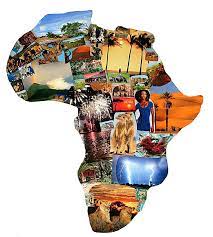
Revitalizing African Languages: A Roadmap for Education and Unity
Welcome Back.
Updated at: 2025-02-28 13:17:30 (1 year ago by Melkisedeck Leon Shine)
```The vibrant tapestry of African cultures is richly woven with a diverse array of languages, each carrying the weight of history, tradition, and unique expression. Promoting these languages within our education systems is not merely a linguistic endeavor; it's a fundamental step toward building a unified and prosperous Africa. Embracing our linguistic heritage fosters a profound sense of cultural identity, strengthens community bonds, and unlocks the potential of our people.
Revitalizing Linguistic Heritage: African languages are repositories of ancestral wisdom, storytelling traditions, and invaluable cultural knowledge. Their integration into education breathes new life into these languages, ensuring their preservation for future generations and preventing the erosion of invaluable cultural assets. This active preservation safeguards a rich legacy for years to come.
Preserving Cultural Identity: Language is inextricably linked to culture. By incorporating African languages into education, we transmit cultural values, customs, and traditions to younger generations, fostering a strong sense of belonging and pride in their heritage. This strengthens cultural continuity and promotes a deeper understanding of African societies.
Enhancing Communication and Collaboration: Effective communication is the bedrock of progress. Equipping students with fluency in their mother tongues and other African languages empowers them to connect meaningfully with their peers and communities across the continent. This fosters collaboration, understanding, and unity among diverse African populations.
Boosting Academic Performance: Extensive research consistently demonstrates a strong correlation between education in one's mother tongue and improved academic performance. This improved comprehension and cognitive development creates a solid foundation for learning other subjects, unlocking the full academic potential of African students.
Cultivating Global Competitiveness: In our increasingly interconnected world, multilingualism is a significant asset. Proficiency in African languages, coupled with other global languages, provides a competitive edge in the international arena, opening doors to opportunities and fostering collaboration on a global scale.
Following the Footsteps of Great Leaders: Many influential African leaders recognized the profound importance of language in shaping identity and fostering unity. Nelson Mandela's words, "If you talk to a man in a language he understands, that goes to his head. If you talk to him in his language, that goes to his heart," resonate deeply, underscoring the power of language to connect on a human level.
Learning from Successful Models: Numerous countries have successfully integrated native languages into their education systems, demonstrating the feasibility and benefits of such initiatives. Examining successful models, such as Finland's bilingual education system, provides valuable insights and adaptable strategies for the African context.
Decolonization Through Language: Language was a tool of colonization in Africa. Reclaiming our languages through education is a powerful act of decolonization, enabling the rewriting of narratives and the empowerment of African voices on their own terms. It's a critical step in reclaiming African agency.
Practical Steps for Implementation: Successfully promoting African languages requires a comprehensive approach. This includes developing culturally relevant curricula, providing comprehensive teacher training in multilingual education, and creating high-quality educational materials in various African languages. Significant investment in resources and infrastructure is crucial for this undertaking.
Engaging Communities for Lasting Impact: The success of language promotion extends beyond the classroom. Actively engaging parents, community elders, and leaders is essential. Their involvement ensures the initiative's cultural relevance and builds a shared commitment to multilingual education, fostering widespread support and ownership.
The promotion of African languages in education is not merely a project; it's a collective responsibility and a vital investment in the future of Africa. Let us work together to create a continent where linguistic diversity is celebrated, where cultural heritage is preserved, and where every child has the opportunity to thrive in their mother tongue. Join us in this transformative journey towards a united and empowered Africa.
```
Updated at: 2023-08-06 14:11:43 (2 years ago by Melkisedeck Leon Shine)
π Environmental Stewardship: A Common Responsibility for Africa π±
Greetings, my fellow Africans! Today, I want to discuss a topic that is close to our hearts and crucial for the future of our beloved continent: environmental stewardship. ππ±
Africa, with its diverse landscapes, rich biodiversity, and vibrant cultures, has always been a land of opportunity and abundance. However, it is our responsibility to protect and preserve this precious gift for generations to come. As Africans, we have a shared duty to be diligent stewards of our environment, safeguarding its beauty and resources. Let us embark on this journey together, hand in hand, and build a sustainable future for Africa. πͺπ
1οΈβ£ Africa's Natural Wealth: Africa is blessed with an array of natural resources, from vast forests to fertile lands, from majestic rivers to breathtaking wildlife. These resources provide us with food, water, and shelter, and sustain our economies. However, if we fail to protect and manage them properly, we risk depleting these invaluable assets.
2οΈβ£ Historical Lessons: Throughout history, we have witnessed the consequences of neglecting our environment. From the deforestation of the Amazon rainforest to the pollution of the Great Lakes, we have seen how environmental degradation can lead to devastating effects on ecosystems and human lives. Let us learn from these lessons and avoid repeating past mistakes.
3οΈβ£ The Power of Unity: As Africans, we have a unique opportunity to demonstrate the power of unity in protecting our environment. By working together across borders, we can create a collective force that is capable of implementing effective environmental policies, promoting sustainable practices, and addressing transboundary challenges.
4οΈβ£ African Leaders' Wisdom: Our wise African leaders have always emphasized the importance of environmental stewardship. Nelson Mandela once said, "We must care for each other and for the Earth, for it is in nurturing and protecting life that we truly find fulfillment." Let us draw inspiration from their wisdom and make a commitment to fulfill our responsibilities as stewards of the environment.
5οΈβ£ Sustainable Agriculture: Agriculture is the backbone of our continent, and it is essential that we adopt sustainable farming practices to ensure food security and protect our soils. Techniques such as organic farming, crop rotation, and water-efficient irrigation systems can help us achieve this goal.
6οΈβ£ Renewable Energy: Africa has abundant sunshine, wind, and water resources that can power our continent sustainably. By investing in renewable energy sources like solar and wind power, we can reduce our dependency on fossil fuels, combat climate change, and create green jobs for our people.
7οΈβ£ Biodiversity Conservation: Africa is home to some of the world's most iconic and endangered species. We must prioritize the conservation of our wildlife and habitats, not only for their intrinsic value but also for their potential in attracting tourism and fostering economic growth.
8οΈβ£ Plastic Pollution: The menace of plastic pollution is threatening our ecosystems and marine life. Let us join the global movement to reduce single-use plastics and promote recycling. By embracing reusable alternatives and encouraging responsible waste management, we can make a significant impact.
9οΈβ£ Education and Awareness: Knowledge is power. We must invest in environmental education and raise awareness among our people about the importance of preserving our natural heritage. By empowering our youth with the knowledge and skills to tackle environmental challenges, we are shaping a brighter future for Africa.
π Sustainable Tourism: Africa's breathtaking landscapes and rich cultural heritage make it a prime destination for tourism. Let us promote sustainable tourism practices that respect our environment and communities. By doing so, we can generate revenue while preserving our natural and cultural treasures.
1οΈβ£1οΈβ£ Climate Change Mitigation: Africa is particularly vulnerable to the impacts of climate change, from droughts to floods and rising sea levels. It is our collective responsibility to mitigate the effects of climate change by reducing greenhouse gas emissions and adapting to changing conditions.
1οΈβ£2οΈβ£ Water Conservation: Water scarcity is a pressing issue in many parts of Africa. Let us embrace water conservation strategies such as rainwater harvesting, efficient irrigation, and responsible water usage. Every drop counts, and by conserving water, we can ensure its availability for future generations.
1οΈβ£3οΈβ£ Empowering Local Communities: Environmental stewardship should go hand in hand with empowering local communities. By involving communities in decision-making processes, providing them with sustainable livelihood opportunities, and respecting their traditional knowledge, we can achieve inclusive and equitable environmental conservation.
1οΈβ£4οΈβ£ Collaboration with International Partners: Our responsibility to protect the environment extends beyond our borders. Let us collaborate with international partners, sharing best practices and engaging in joint initiatives, to address global environmental challenges such as climate change and illegal wildlife trade.
1οΈβ£5οΈβ£ Your Role: Now, my fellow Africans, I ask you: What role will you play in this noble endeavor? Will you take the lead in promoting sustainable practices in your daily lives, educating your communities, and advocating for environmental policies? Together, we can make a difference and build a prosperous and sustainable Africa.
Let us unite, my brothers and sisters, in the pursuit of environmental stewardship. Share this article far and wide, and inspire others to join our cause. Together, we can create a legacy of environmental sustainability for Africa, ensuring a thriving continent for generations to come. ππ±πͺ
As always, let us remember the words of our great African leaders: "It is in our hands to create a better world for all who live in it." - Kofi Annan
Are you ready to take up the responsibility? Share your thoughts and let us know how you are contributing to environmental stewardship in Africa. π€π
Updated at: 2025-06-18 08:13:43 (8 months ago by Melkisedeck Leon Shine)
```htmlIntroduction: This paper examines the transformative potential of structured cultural exchange programs in fostering unity and understanding among Africa's youth. We will explore how these programs, grounded in theories of social identity and intercultural communication, can effectively address societal divisions and promote collaborative progress across diverse African communities. Key concepts such as social identity theory, which explains how individuals derive self-esteem from group membership, and the contact hypothesis, which posits that positive intergroup contact reduces prejudice, will be central to this analysis.
1. Promoting Shared Identity and Reducing Intergroup Conflict: Social identity theory highlights the importance of shared group membership in fostering cohesion. Cultural exchange programs can create a supra-national African identity by facilitating interaction and collaboration among youth from different ethnic, linguistic, and national backgrounds. This shared experience, promoting positive intergroup contact as described in the contact hypothesis, can effectively dismantle existing prejudices and stereotypes.
2. Cultivating Intercultural Competence and Empathy: Effective cultural exchange programs must incorporate elements of intercultural communication training. Participants should actively learn about different cultural norms, values, and communication styles, fostering empathy and understanding. This approach directly addresses the limitations of superficial exposure by providing a framework for meaningful interaction and navigating cultural differences constructively. Models of intercultural sensitivity, such as the Bennett's Developmental Model of Intercultural Sensitivity (DMIS), provide a roadmap for this learning process.
3. Enhancing Collaborative Problem-Solving and Innovation: By bringing together youth with diverse backgrounds and skillsets, cultural exchange programs create a dynamic environment for collaborative problem-solving. Exposure to different perspectives and approaches can spark creativity and innovation, leading to more effective solutions to shared challenges such as poverty, climate change, and disease. This aligns with the principles of diversity management, which emphasizes the value of diverse viewpoints in organizational effectiveness and problem-solving.
4. Facilitating Economic Empowerment and Development: Cultural exchanges can serve as a catalyst for economic development by fostering cross-cultural entrepreneurship and collaborative ventures. The shared learning and networking opportunities generated can lead to new business partnerships and stimulate investment in diverse sectors. This is directly applicable to development economics models that promote inclusive growth and reduce regional disparities.
5. Promoting Peacebuilding and Reconciliation: In contexts affected by historical conflict or tension, cultural exchange programs can play a critical role in peacebuilding and reconciliation. By providing platforms for dialogue, understanding, and shared experiences, these programs can contribute to healing historical wounds and fostering a culture of peace and cooperation. This aligns with conflict resolution theories that emphasize the importance of communication, empathy, and trust-building in resolving conflicts peacefully.
6. Strengthening Pan-African Networks and Leadership: Cultural exchange programs create valuable networks among participants, fostering long-term collaboration and shared leadership initiatives. By supporting the development of future leaders with a strong Pan-African identity, these programs contribute to a more unified and progressive continent. This approach resonates with leadership theories that emphasize the importance of collaboration, shared vision, and effective communication in organizational effectiveness and societal progress.
7. Leveraging Technology for Enhanced Cultural Exchange: The use of technology can significantly enhance the reach and effectiveness of cultural exchange programs. Virtual exchange platforms and online collaboration tools can connect youth from across the continent, reducing geographical barriers and providing cost-effective access to cultural learning experiences. This aligns with the principles of digital literacy and the utilization of Information and Communication Technologies (ICTs) for development.
Conclusions and Recommendations: Cultural exchange programs offer a powerful mechanism for bridging divides and fostering unity among Africa's youth. By applying theoretical frameworks from social identity theory, intercultural communication, and development economics, these programs can be strategically designed to achieve tangible outcomes in promoting shared identity, intercultural understanding, economic empowerment, and peaceful conflict resolution. Future research should focus on developing rigorous evaluation methodologies to assess the long-term impact of such programs and identify best practices for maximizing their effectiveness. Further investigation into the role of technology in enhancing access and participation would be particularly valuable. The integration of cultural exchange initiatives into national development strategies is crucial for realizing their full potential in building a united and prosperous Africa. Government support, private sector investment, and civil society engagement are essential for scaling up these programs and achieving sustainable impact.
Reader Pool: Considering the multifaceted benefits outlined in this article, how can African nations best leverage cultural exchange programs to cultivate a more unified and prosperous future for their youth?
```
Updated at: 2025-02-20 05:44:09 (1 year ago by Melkisedeck Leon Shine)
The vision of a united Africa, where every citizen enjoys access to quality healthcare, is achievable through robust collaboration. This requires harnessing Africa's rich history of community spirit and leveraging the collective strengths of its diverse nations. A collaborative approach to healthcare isn't merely aspirational; it's a pragmatic necessity for a healthier and more prosperous continent.
Addressing the continent's significant healthcare challengesβinfectious diseases, maternal and child health issues, and non-communicable diseasesβdemands a unified front. Just as a baobab tree's strength lies in its interwoven roots, Africa's strength lies in its unity. By pooling resources, knowledge, and expertise, we can overcome these obstacles and elevate the overall health and well-being of all Africans.
Successful models of healthcare collaboration exist globally. The European Union, for example, demonstrates the transformative power of unified healthcare systems. While adapting strategies to the unique context of Africa is crucial, learning from international successes provides valuable insights and guidance. We can analyze their successes and challenges to inform our approach, ensuring a tailored and effective strategy.
African leaders have consistently championed the importance of collaborative healthcare. The late Nelson Mandela's poignant wordsβthat health is a fundamental human right, not a privilege of incomeβserve as a powerful reminder of our shared responsibility. His legacy calls us to action, urging a collective commitment to equitable healthcare access for every African.
Africa's diverse nations possess unique strengths and resources. A collaborative framework allows for the strategic sharing of medical equipment, healthcare professionals, and best practices. This reciprocal exchange ensures that resources are optimized, bridging geographical disparities in healthcare access and quality. This shared approach fosters a more equitable distribution of resources across the continent.
Building stronger healthcare institutions is paramount to long-term success. Regional centers of excellence and research institutions, established through collaboration, improve healthcare delivery while simultaneously contributing to Africa's overall development. This fosters innovation and creates sustainable solutions within the continent.
Empowering local communities is integral to effective healthcare initiatives. Collaborating with community leaders, traditional healers, and grassroots organizations ensures cultural sensitivity and relevance. Integrating traditional healing practices with modern medicine fosters a more holistic and culturally appropriate healthcare system.
Technological advancements offer unprecedented opportunities for collaborative healthcare. Embracing telemedicine, mobile health applications, and e-learning platforms expands healthcare access to even the most remote areas. Leveraging these advancements effectively bridges the digital divide and extends essential services to underserved populations.
Addressing the brain drain of skilled healthcare professionals is crucial for long-term sustainability. By creating attractive work environments, offering competitive compensation, and establishing supportive healthcare systems, Africa can retain and attract top talent. This investment in human capital is vital for building a robust and self-sustaining healthcare sector.
Inspiring future generations to pursue careers in healthcare is critical for the future. By highlighting the importance of collaboration and unity, we can cultivate a passion for healthcare among young Africans, ensuring a continuous pipeline of skilled professionals dedicated to improving the health of their communities. This investment in education and training is essential for a sustainable and thriving healthcare system.
In conclusion, the strength of Africa lies in its unity. Collaborative healthcare is not merely a strategy; it is a fundamental pathway to a healthier and more prosperous future. By working together, sharing resources, and embracing innovation, we can revolutionize healthcare across the continent, ensuring that every African has access to the quality care they deserve. Let us embrace this opportunity to build a brighter and healthier future for all.
Join the movement for collaborative healthcare and African unity. Share your ideas and contribute to building a healthier continent. Let's work together to create a legacy of health and well-being for generations to come.
Updated at: 2025-02-28 10:41:12 (1 year ago by Melkisedeck Leon Shine)
The tapestry of Africa is richly woven with diverse cultures, languages, and histories. Yet, the pursuit of unity remains a vital thread, binding our shared destiny. African universities, as centers of learning and intellectual discourse, hold a unique and powerful position in fostering this crucial unity.
These institutions are not merely repositories of knowledge; they are the crucibles where future leaders are shaped, where critical thinking flourishes, and where a collective African identity can be nurtured. They stand as beacons, illuminating the path toward a more cohesive and prosperous continent. The potential impact of these universities on shaping pan-African unity is immense and deserves careful consideration.
Universities can cultivate a potent sense of shared identity amongst students by highlighting our collective history and cultural heritage. This approach emphasizes our diverse strengths, transforming differences from potential weaknesses into sources of innovation and collaboration. By focusing on shared experiences and triumphs, universities can foster a sense of belonging and shared purpose among students from various African nations.
Furthermore, these institutions provide fertile ground for challenging pre-conceived notions and dismantling stereotypes that often hinder unity. Through open dialogue, critical analysis, and inclusive learning environments, universities can equip future generations with the tools to bridge divides and champion unity. This includes fostering respectful communication and collaboration skills, essential for navigating complex societal challenges.
Nelson Mandela's powerful assertion that "Education is the most powerful weapon which you can use to change the world" resonates deeply here. African universities must leverage the transformative power of education to reshape narratives, challenge biases, and foster a future defined by collaboration and mutual understanding.
To achieve this, universities can become hubs of innovation and collaborative projects. Encouraging inter-country collaborations on research initiatives not only fosters scientific advancements but also cultivates a spirit of teamwork and shared goals. This practical, hands-on experience strengthens bonds between students and promotes a sense of shared accomplishment.
Drawing inspiration from successful models of regional integration, such as the European Union, highlights the efficacy of educational exchange programs and cross-border collaborations. Investing in scholarships and student exchange programs allows for meaningful cross-cultural interactions, building bridges of understanding and lasting relationships between students from different African nations. These programs create opportunities for personal growth and foster a global perspective, equipping students to be effective agents of change.
The words of Kwame Nkrumah, "We face neither East nor West; we face forward," serve as a potent reminder of our collective trajectory. African universities must guide students towards a future where unity and collaboration are paramount, where the pursuit of collective progress transcends national borders.
Curriculum integration of African history, literature, and art is crucial. Celebrating our rich and diverse heritage instills pride and appreciation for the continent's multifaceted beauty. This fosters a deeper understanding of our shared past and a sense of collective ownership of our future. This inclusive approach acknowledges and values the contributions of all African cultures.
African universities bear the significant responsibility of nurturing leaders who champion pan-African unity. Instilling pan-African ideals into their students fosters a generation of change-makers committed to the collective well-being of the continent. This necessitates integrating principles of social justice, equity, and inclusive development into the educational experience.
The journey toward a united Africa requires active participation from all stakeholders. We must support our universities through funding, policy initiatives, and by fostering a culture of collaboration and shared responsibility. This collective effort will empower our institutions to fulfill their vital role in promoting unity and development.
Let us amplify the vital role of African universities in fostering unity. By engaging in constructive dialogue and promoting collaborative initiatives, we can ignite a movement that transcends boundaries and unites our diverse communities. The future of Africa depends on our collective commitment to building a continent where unity prevails.
In the spirit of Marcus Garvey's call to "unite in the great cause of uplifting our people," let us embrace the power of education to eradicate ignorance, overcome challenges, and create a brighter future for all Africans. Let us stand together, hand in hand, and build a united and prosperous Africa.
The path to African unity is paved with collaboration, understanding, and a shared commitment to progress. Let us leverage the transformative power of our universities to forge a future where unity reigns supreme.
Updated at: 2023-08-06 15:32:35 (2 years ago by Melkisedeck Leon Shine)
π African Leadership Summit: Shaping a Unified Future π
1οΈβ£ Greetings, fellow Africans! π Today, I want to share with you the importance of unity and the power it holds in shaping a brighter future for our beloved continent. Together, we can overcome any obstacle and create a unified Africa that is strong, prosperous, and respected on the global stage.
2οΈβ£ As we delve into this topic, let us reflect upon the wise words of Nelson Mandela, the great leader who once said, "It is in your hands to create a better world for all who live in it." π
3οΈβ£ Africa, the land of diversity and untapped potential, has a rich history of great civilizations and leaders who inspired unity among their people. From the powerful empires of Ancient Egypt and Mali to the visionary leadership of Kwame Nkrumah and Julius Nyerere, we have witnessed the strength that comes from uniting diverse cultures, backgrounds, and perspectives.
4οΈβ£ Today, we stand at a pivotal moment in history, where the call for African unity has never been stronger. It is time for us to come together, to celebrate our differences, and harness the collective strength that lies within our rich tapestry.
5οΈβ£ Imagine a unified Africa where trade flows freely between nations, benefiting us all and driving economic growth. By breaking down barriers and implementing policies that encourage cross-border investment, we can create an environment where African businesses thrive and our people prosper.
6οΈβ£ Education is the foundation upon which a unified Africa will be built. By investing in quality education for all our citizens, we can empower every African to reach their full potential. Let us remember the words of Ghana's first president, Kwame Nkrumah, who said, "We face neither East nor West; we face forward." π
7οΈβ£ Our unity will not only benefit us economically, but also politically. By speaking with one voice on the international stage, we can ensure that Africa's interests are represented and respected. Together, we will have the power to shape global policies and create a more equitable world.
8οΈβ£ History has shown us the power of unity. Look at the European Union, where once-warring nations now work together for the common good. By learning from their experiences, we can forge a path towards regional integration that strengthens our collective voice and increases our global influence.
9οΈβ£ However, unity does not mean homogeneity. Africa is a continent of diverse cultures, languages, and traditions. Let us celebrate our differences and embrace them as strengths, recognizing that our diversity is what makes us truly unique and beautiful.
π This brings us to an important question: How can we, as individuals, contribute to the unity of Africa? It starts with a strong intention and a commitment to fostering understanding and cooperation. We must let go of prejudices and stereotypes, and instead, embrace the richness of our continent.
1οΈβ£1οΈβ£ Share this article with your friends, family, and colleagues! Together, we can spread the message of African unity and inspire others to join our cause. Let us ignite the flame of unity in every corner of our continent, creating a chain reaction that will shape a brighter future for generations to come.
1οΈβ£2οΈβ£ I encourage you to attend local gatherings, leadership summits, and conferences that promote African unity. By engaging in these conversations, we can learn from one another, exchange ideas, and find innovative solutions to the challenges we face.
1οΈβ£3οΈβ£ Embrace your role as a leader within your community and inspire others to take action. Be a voice for positive change, advocating for policies and initiatives that promote inclusivity, equality, and unity. Remember, small actions can have a ripple effect that reaches far and wide.
1οΈβ£4οΈβ£ Let us draw inspiration from the words of the great African leader, Jomo Kenyatta: "Our children may learn about heroes of the past. Our task is to make ourselves architects of the future." The time is now, my fellow Africans, to come together and shape the unified Africa we envision.
1οΈβ£5οΈβ£ In conclusion, let us unite under the shared vision of a prosperous, peaceful, and united Africa. Together, we can overcome any challenge and build a future that our children will be proud to inherit. Share this article and let us embark on this journey of unity, hand in hand, towards a brighter tomorrow. ππ€π
Updated at: 2025-06-02 10:49:29 (9 months ago by Melkisedeck Leon Shine)
Introduction: This article examines the imperative for African unity, transcending tribal divisions to cultivate a continent characterized by shared prosperity. We will analyze this challenge through established theoretical frameworks. Social identity theory explains how group membership influences individual identity, potentially leading to in-group bias and intergroup conflict. Conversely, integrative bargaining, a conflict resolution model, offers a pathway to mutually beneficial outcomes. Modernization theory and dependency theory provide contrasting perspectives on Africa's development trajectory, informing strategies for economic integration and shared prosperity. These theoretical lenses will illuminate the challenges and opportunities facing the continent, guiding the formulation of effective strategies.
1. Constructing a Shared Pan-African Identity: Establishing a unifying narrative that transcends tribal affiliations is paramount. This involves acknowledging shared historical experiences, emphasizing collective achievements, and celebrating diverse cultural contributions. Applying social identity theory, the cultivation of a robust pan-African identity can serve as a superordinate group identity, mitigating the negative effects of tribalism by creating a shared sense of belonging and collective efficacy. This fosters cooperation and reduces intergroup conflict, building a foundation for national and continental unity.
2. Promoting Inclusive Governance and Equitable Representation: Africa's diverse cultural landscape is a source of strength. Multiculturalism, emphasizing mutual respect and coexistence of diverse groups, is essential. Inclusive governance mechanisms, reflecting democratic principles and participatory decision-making, ensure all segments of society feel represented and valued. This addresses potential biases within governing structures, promoting social justice and equitable resource distribution, fostering trust and reducing potential conflict stemming from perceived marginalization.
3. Collaborative Goal Setting and Resource Optimization: Defining and pursuing shared national and continental goals is crucial. Addressing common challenges like poverty, disease, and climate change necessitates collaborative strategies. This mirrors the principles of game theory, specifically the prisoner's dilemma, highlighting the superior outcomes of cooperation over individualistic approaches. Aligning national development plans with continental strategies leverages synergies, optimizing resource utilization, and promoting collective progress toward shared objectives.
4. Conflict Resolution through Integrative Bargaining and Dialogue: Open dialogue, characterized by active listening and empathy, is vital for addressing grievances and fostering understanding. Utilizing the integrative bargaining model, conflict resolution focuses on mutually beneficial solutions, avoiding zero-sum outcomes. Creating safe spaces for dialogue and employing mediation techniques facilitates peaceful conflict resolution and promotes reconciliation, healing historical traumas and fostering sustainable peace.
5. Investing in Human Capital and Cross-Cultural Understanding: Education plays a crucial role in shaping perceptions and fostering tolerance. Investing in quality education, inclusive curricula, and intercultural exchange programs promotes understanding and mutual respect. This aligns with human capital theory, emphasizing the importance of skilled and educated populations for economic growth and societal advancement. Furthermore, promoting critical thinking and intercultural competencies fosters nuanced understanding of diverse perspectives, building bridges between different groups.
6. Leveraging Regional Integration through Pan-African Initiatives: Pan-African initiatives, such as the African Union, are critical for fostering cooperation and integration. Active participation in these initiatives, particularly in trade, infrastructure, and security, is essential. This embodies the principles of regionalism and international cooperation, aligning with modernization theoryβs emphasis on economic development and global integration. Stronger regional cooperation enhances the continent's global standing and collective bargaining power.
7. Promoting Inclusive Economic Growth and Addressing Dependency: Economic integration is crucial for unlocking Africa's economic potential. Removing trade barriers, promoting intra-African trade, and fostering inclusive economic growth are critical steps. This directly addresses the concerns raised by dependency theory, challenging neocolonial structures that hinder development. The focus should be on creating equitable opportunities and mitigating economic inequalities that can exacerbate social tensions and fuel conflict.
8. Harnessing the Power of Culture and Shared Experiences: Cultural events and sporting competitions are powerful platforms for fostering shared identity and unity. These events can showcase shared heritage and achievements, promoting collective pride and enhancing cross-cultural interaction. This leverages the unifying power of shared experiences to build social capital and break down existing barriers, solidifying a sense of collective belonging.
9. Empowering Youth and Women for Sustainable Development: Investing in the education, empowerment, and leadership development of youth and women is paramount for inclusive development. This aligns with principles of gender equality and social inclusion, recognizing their crucial roles in driving sustainable development. Empowering these groups ensures their voices are heard and their contributions are fully utilized, contributing to a more just and unified Africa.
Conclusion and Recommendations: Achieving a unified and prosperous Africa requires a multifaceted approach rooted in shared understanding, collaborative action, and inclusive governance. Investing in education, fostering economic integration, leveraging pan-African initiatives, and promoting dialogue are crucial steps. Future research should evaluate the effectiveness of specific interventions aimed at strengthening social cohesion and reducing intergroup conflict. Furthermore, research on the relationship between economic development, social harmony, and political stability within diverse African contexts is needed. A unified Africa holds immense potential for economic growth, improved human development, and a stronger global presence. The impact on poverty reduction, disease control, and climate change adaptation would be transformative.
Reader Pool: What innovative strategies could be implemented to effectively address the complex interplay of historical, political, and economic factors hindering the achievement of sustainable unity across the African continent?
Updated at: 2025-06-22 10:59:20 (8 months ago by Melkisedeck Leon Shine)
The enduring strength of African societies lies in their communal spirit and mutual support. This article analyzes the crucial role of crisis response and humanitarian aid in fostering a unified and resilient Africa, capable of overcoming adversity and achieving sustainable development. We define crisis response as the coordinated actions taken to mitigate the impact of disruptive events, encompassing disaster relief, conflict resolution, and public health emergencies. Humanitarian aid refers to the assistance provided to alleviate suffering and improve the well-being of populations affected by crises. The conceptual framework guiding this analysis draws upon theories of collective action, social capital, and sustainable development, employing case studies and comparative analysis to illustrate practical applications.
Historically, acts of compassion and collective action have been transformative. The success of national liberation movements and post-colonial nation-building, for example, underscore the power of shared purpose and coordinated effort. Analyzing such historical examples through the lens of resource mobilization theory reveals the effectiveness of strategic alliances and the crucial role of leadership in galvanizing populations. These historical successes illustrate the potential for achieving significant progress when collective action is effectively mobilized. The principles of social capital β the networks of relationships among people who live and work in a particular society, enabling that society to function effectively β are profoundly relevant here.
Africa's diverse cultural heritage, rather than a source of division, should be a catalyst for innovation and collaboration. Recognizing and leveraging this diversity enhances resilience and fosters inclusive growth. This concept aligns with the principles of diversity management, emphasizing the value of varied perspectives and experiences in problem-solving and decision-making. Successful examples from multinational corporations that have embraced diversity as a source of competitive advantage offer valuable insights applicable to the African context.
Effective crisis response and humanitarian aid require a proactive, multi-faceted approach extending beyond reactive measures. Addressing persistent challenges like poverty, conflict, and disease necessitates a comprehensive strategy integrating sustainable development goals. This necessitates the adoption of a preventive approach, focusing on early warning systems, conflict prevention mechanisms, and building community resilience. The application of the disaster risk reduction (DRR) framework highlights the importance of preparedness, mitigation, and recovery phases in crisis management.
Addressing the inequitable distribution of resources and unequal access to opportunities is paramount. Promoting inclusive development, aligned with the Sustainable Development Goals (SDGs), requires a concerted effort to enhance access to quality education, healthcare, and economic opportunities for all Africans. Analyzing successful development strategies in other regions, particularly those focusing on human capital development and inclusive growth, can inform the design of tailored interventions in the African context. The application of Sen's capability approach emphasizes the importance of expanding people's capabilities to achieve their desired well-being.
Collective action is essential for overcoming challenges and achieving sustainable progress. This necessitates fostering collaboration across borders and sectors, transcending differences and embracing shared goals. This collaborative approach draws on the principles of collective efficacy, highlighting the importance of shared belief in one's ability to bring about positive change. The success of regional organizations in addressing transboundary challenges provides valuable lessons in fostering collaboration and coordination.
Building a united Africa necessitates a shared vision and commitment to collaborative efforts. This requires fostering a sense of shared identity and purpose, transcending national boundaries. The concept of Pan-Africanism, promoting unity and solidarity among African nations, serves as a powerful framework for guiding collaborative efforts. Examining successful models of regional integration, such as the European Union, can inform strategies for strengthening Pan-African cooperation.
Education and awareness-raising are foundational to building a united Africa. Promoting intercultural understanding and empathy strengthens the bonds of solidarity. This approach aligns with the principles of transformative learning, emphasizing the importance of critical reflection and social action in fostering social change. Successful public health campaigns that have effectively mobilized populations provide valuable insights into strategies for raising awareness and promoting behavioral change.
Africa's history demonstrates resilience and the power of collective action. Learning from past successes and failures can inform current strategies for crisis response and humanitarian aid. This historical analysis can be conducted using a comparative historical approach, identifying patterns and trends that can inform policy choices. The application of institutional analysis offers a valuable framework for understanding the factors that contribute to successful collective action.
The responsibility for crisis response and humanitarian aid is shared by governments, international organizations, and individuals. Citizen engagement, volunteering, and charitable giving play a crucial role in complementing official efforts. This multi-stakeholder approach aligns with the principles of participatory development, emphasizing the importance of community involvement in problem-solving and decision-making. Analyzing successful examples of public-private partnerships can inform strategies for mobilizing resources and expertise.
Comparative analysis of effective crisis response mechanisms in other regions, such as Japan, Norway, and Canada, offers valuable lessons for adaptation to the unique African context. This approach allows for the identification of best practices and the development of contextually relevant solutions. The application of best-practice approaches should be grounded in a deep understanding of the specific challenges and opportunities presented by each region's unique circumstances.
Social media provides a powerful tool for advocacy and raising awareness. Strategic use of social media platforms can effectively amplify voices and mobilize support for crisis response and humanitarian efforts. Analyzing successful social media campaigns that have effectively raised awareness and mobilized resources can inform the design of targeted communication strategies. The application of network analysis can provide insights into the dynamics of information diffusion and social mobilization.
Conclusions and Recommendations: Strengthening crisis response and humanitarian aid in Africa requires a multifaceted approach grounded in collaboration, proactive planning, and inclusive development. Successful strategies will integrate lessons from history, leverage technological advancements, and foster partnerships across sectors and borders. Further research is needed to explore the effectiveness of different intervention strategies, the role of technology in improving crisis response, and the impact of social mobilization efforts. The development of robust early warning systems, community-based disaster preparedness programs, and culturally sensitive interventions is crucial. The commitment of governments, international organizations, and individuals is essential to build a resilient and prosperous Africa.
Reader Pool: What are the most significant barriers to effective Pan-African collaboration in crisis response and humanitarian aid, and how might these be overcome?
Updated at: 2023-08-06 14:46:16 (2 years ago by Melkisedeck Leon Shine)
The Role of African Universities in Fostering Unity πβ¨
Greetings to my fellow Africans! Today, I want us to take a moment to reflect on the immense power that lies within our universities and the crucial role they play in fostering unity across our beautiful continent. ππ
African universities are the breeding grounds of knowledge and wisdom. They are the torchbearers of our past, present, and future. ππ₯
These institutions have the potential to ignite a sense of collective identity among African students. By emphasizing our shared history and culture, universities can help us understand that our diversity is a strength, not a weakness. ππ€
Through education, African universities can challenge stereotypes and preconceived notions about one another. By providing a platform for dialogue and critical thinking, they can shape a generation of leaders who are committed to breaking down barriers and promoting unity. ππ‘
Nelson Mandela once said, "Education is the most powerful weapon which you can use to change the world." Let us harness this power to change Africa for the better. ππͺ
Universities can also act as hubs of innovation and collaboration. By encouraging students from different African nations to work together on research projects and initiatives, they can foster a spirit of cooperation and unity. π€π‘
Let us learn from the historical experiences of other regions that have successfully overcome divisions and united. The European Union serves as a prime example of how education and exchange programs can bridge gaps and strengthen relationships. πͺπΊπ
By investing in scholarships and exchange programs, African universities can facilitate cross-cultural understanding and create lasting connections between students from different African nations. ππ€π
We must remember the wise words of Kwame Nkrumah, the founding father of Ghana, who said, "We face neither East nor West; we face forward." African universities can guide us towards a future where we prioritize unity above all else. ππ
To foster unity, universities should incorporate African history, literature, and arts into their curricula. By celebrating our rich heritage, we empower students to appreciate the beauty and diversity of our continent. π¨ππ
African universities have the responsibility to nurture leaders who will champion African unity. By instilling a sense of Pan-Africanism in their students, they can create a generation of change-makers who strive for the greater good of our continent. πͺπ
As Africans, we must ask ourselves: What can we do to support our universities in fostering unity? How can we contribute to building a stronger, more united Africa? ππ
Let us share this article far and wide to inspire others and ignite a conversation about the role of African universities in fostering unity. Together, we can create a movement that transcends borders and unites our people. ππ«
Remember, the journey towards African unity starts with each and every one of us. Let us be catalysts for change, spreading love, acceptance, and understanding in our communities. πβ€οΈ
In the wise words of Marcus Garvey, "We must unite in the great cause of uplifting our people, in removing ignorance, in eradicating disease, and in doing everything that proves beneficial to our race." ππ
So, my fellow Africans, let us stand together, hand in hand, and embrace the power of our universities in fostering unity. Together, we can build a brighter future for Africa, a future where unity reigns supreme. ππ€π«
Updated at: 2023-08-06 15:08:02 (2 years ago by Melkisedeck Leon Shine)
π African Fashion: Celebrating Diversity, Cultivating Unity π
Greetings, my fellow Africans! Today, I want to take a moment to celebrate the vibrant tapestry of African fashion and the powerful role it plays in cultivating unity across our diverse continent. From the intricate patterns of West African textiles to the bold and colorful prints of East Africa, our fashion is a reflection of our rich heritage and a symbol of our collective strength. Join me on this journey as we explore the beauty of African fashion and its potential to bring us closer together. π
1οΈβ£ African fashion is a true testament to our cultural diversity. Just like the 54 nations that make up our continent, each with its unique traditions and customs, our fashion is a kaleidoscope of creativity and expression. From the Kaftan of Morocco to the Dashiki of Nigeria, we have a treasure trove of styles that showcase our individuality. Let us embrace this diversity and celebrate it as a source of strength. π
2οΈβ£ Through our fashion, we can connect with our African brothers and sisters across borders, breaking down barriers and fostering a sense of unity. When we proudly wear our traditional garments, we connect not only with our own heritage but also with the roots of others. Let us use the power of fashion to build bridges between our communities, transcending borders and creating a united Africa. π₯
3οΈβ£ Nelson Mandela once said, "The time for the healing of the wounds has come. The moment to bridge the chasms that divide us has come." These words ring true when it comes to the power of fashion in healing the wounds of our past, bridging the chasms of our differences, and uniting us as one African family. Let us embrace the spirit of Mandela and use fashion as a catalyst for unity. π
4οΈβ£ History has shown us the transformative power of fashion in promoting unity. Look at the European Union, where the adoption of a common flag and currency helped foster a sense of togetherness among nations with diverse histories. Similarly, African fashion can serve as a unifying force, reminding us that despite our differences, we are all part of the same vibrant continent. Let us learn from these examples and apply them to our own journey of unity. πͺ
5οΈβ£ In order to promote African unity through fashion, it is essential that we support local designers and artisans. By investing in African-made garments, we not only celebrate our heritage but also contribute to the economic growth and development of our continent. Let us proudly wear our African fashion creations and support the talented individuals who bring them to life. π
6οΈβ£ Fashion events, such as the annual Lagos Fashion Week or the Cape Town Fashion Week, are perfect opportunities to come together as Africans and celebrate our shared love for fashion. These events provide a platform for emerging designers to showcase their talent and for fashion enthusiasts to connect with like-minded individuals. Let us take advantage of these gatherings, share our ideas, and foster a sense of unity within our fashion community. π
7οΈβ£ As Africans, we have a responsibility to promote unity not only within our own communities but also across the continent. Let us use our fashion choices as a way to engage in conversations and educate others about our diverse cultures. By proudly wearing our African garments, we can spark curiosity and create a deeper understanding of our rich heritage. π
8οΈβ£ Imagine a future where African fashion is recognized globally for its exceptional craftsmanship and unique styles. By uniting as Africans and supporting our designers, we can make this vision a reality. Let us take pride in our fashion and promote it as a symbol of African excellence on the world stage. π
9οΈβ£ In conclusion, my fellow Africans, let us celebrate the beauty of our diverse fashion and use it as a tool to cultivate unity across our beloved continent. Through fashion, we can bridge divides, heal wounds, and foster a deeper sense of togetherness. Together, let us wear our African heritage with pride and inspire others to do the same. Share this article with your friends and family, and let's spread the message of African unity through fashion. ππ
β¨ What is your favorite African fashion garment and what does it mean to you? How do you think we can further promote unity through fashion? Share your thoughts and let's continue this journey of unity together! β¨