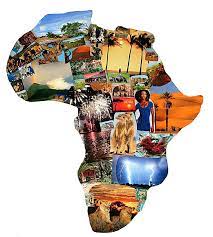
Nurturing Green Entrepreneurship in Africa: Fostering Independent Innovation
Welcome Back.
Updated at: 2025-02-20 11:23:19 (10 months ago by Melkisedeck Leon Shine)
Africa possesses immense potential for economic growth and environmental sustainability. The key to unlocking this potential lies in cultivating a thriving ecosystem of green entrepreneurship, empowering independent innovators to drive positive change across the continent. This requires a multifaceted approach, focusing on self-reliance, education, collaboration, and the adoption of green technologies.
Building Self-Reliance: A Foundation for Growth
Breaking free from economic dependency is paramount. Supporting and empowering local entrepreneurs is crucial to fostering a vibrant economy. By investing in and nurturing homegrown businesses, we create a virtuous cycle of innovation and economic prosperity. This fosters a sense of ownership and drives sustainable development within our communities.
Investing in Education: Cultivating Future Leaders
Education is the cornerstone of progress. We must prioritize investing in high-quality education and training programs that equip the next generation with the skills needed to thrive in the green economy. This includes fostering a culture of entrepreneurship, innovation, and critical thinkingβessential elements for building a sustainable future.
Collaboration: A Pan-African Approach
Unity and collaboration are crucial for success. By sharing resources, knowledge, and best practices across borders, African nations can overcome challenges and unlock opportunities more effectively. Breaking down geographical and institutional barriers will create a stronger, more resilient entrepreneurial ecosystem.
Embracing Green Technologies: A Pathway to Sustainability
The adoption of green technologies is not merely an environmental imperative; itβs an economic opportunity. Investing in renewable energy, sustainable agriculture, and eco-friendly manufacturing creates new business ventures, jobs, and strengthens local economies. This transition towards sustainability safeguards our environment and empowers economic growth simultaneously.
Inspiration from Global Success Stories
The success of entrepreneurs like Elon Musk, who revolutionized the electric vehicle industry, and Wangari Maathai, whose Green Belt Movement transformed landscapes and empowered communities, serve as powerful examples. Their journeys highlight the transformative potential of determination, innovation, and a commitment to positive change.
The Enduring Legacy of African Leadership
The words of Nelson Mandela, "Education is the most powerful weapon which you can use to change the world," remain profoundly relevant. This emphasizes the transformative power of education in shaping a sustainable future and fostering a generation of responsible leaders.
A Call to Action: Shaping a Sustainable Africa
Promoting green entrepreneurship is not just an aspiration; it's a necessity. By fostering independent innovation, investing in education, collaborating across borders, embracing green technologies, and learning from global examples, we can build a self-reliant and sustainable Africa. This is a collective endeavor, requiring the active participation of individuals, communities, and governments.
What steps will you take to contribute to a self-reliant and sustainable Africa? Share your ideas and actions with your networks and inspire others to join this vital movement. Together, we can make a lasting difference.
Updated at: 2025-05-05 12:47:35 (7 months ago by Melkisedeck Leon Shine)
Access to potable water is a fundamental human right, yet millions in Africa lack this essential resource, resulting in significant health, economic, and social disparities. This article presents a multi-faceted strategy for achieving universal access to clean water, emphasizing community empowerment and self-reliance within the framework of sustainable development goals (SDGs), specifically SDG 6: Clean Water and Sanitation. Key concepts include sustainable water management, technological innovation in water purification, community-based education, and collaborative action, all crucial for building resilient and self-sufficient water systems.
The pervasive challenge of unsafe water sources impacts health (increased rates of waterborne diseases), education (lost school days due to illness), and economic productivity (reduced agricultural yields and labor capacity). Overcoming this requires a paradigm shift from dependence on external aid to self-sufficiency, promoting community ownership and agency. This necessitates a holistic approach incorporating diverse strategies and stakeholder engagement.
Sustainable Water Resource Management: A Cornerstone of Self-Reliance
Sustainable water resource management is pivotal. This involves implementing efficient irrigation techniques based on principles of precision agriculture, minimizing water waste in agricultureβa critical sector in Africaβs economy. The integration of rainwater harvesting systems, utilizing principles of water conservation and storage, provides a reliable local water source, reducing dependence on centralized systems. Furthermore, community-level water conservation education and behavioral change campaigns, informed by social marketing principles, are essential for long-term sustainability. The application of the "integrated water resource management" (IWRM) framework guides a holistic approach, considering social, economic, and environmental factors.
Locally Appropriate Water Purification Technologies: Bridging the Accessibility Gap
Technological advancements offer cost-effective and locally adaptable water purification solutions. Investing in community-based purification systems, utilizing appropriate technologies (AT) principles, empowers communities with local control and maintenance. This approach leverages the diffusion of innovations theory, emphasizing the adoption of technologies that are compatible with local contexts and easily manageable by community members. The selection of purification methods must consider factors like cost, ease of maintenance, local skills and resources, and the specific water quality challenges. Prioritizing technologies requiring minimal external inputs ensures long-term sustainability.
Community-Based Education and Capacity Building: A Catalyst for Behavioral Change
Education is fundamental. Comprehensive health education campaigns, grounded in social learning theory and community participatory approaches, promote awareness of hygiene and sanitation. Training programs focusing on water resource management, sanitation, and maintenance of purification systems build local capacity. This empowers communities to take ownership, ensuring project sustainability and long-term success. Employing participatory rural appraisal (PRA) methods enables communities to actively participate in the design and implementation of water solutions, increasing ownership and effectiveness.
Collaborative Governance and Knowledge Sharing: Fostering Synergistic Action
Addressing the clean water crisis demands collaborative governance. This includes inter-agency collaboration, cross-border knowledge exchange, and partnerships between NGOs, governments, and community-based organizations (CBOs). Sharing best practices and technological innovations through networks promotes collective learning and resource optimization. The application of network theory helps understand how these collaborations can amplify the impact and efficiency of water projects. This cross-sectoral approach is essential for achieving scalability and sustainability.
Benchmarking and Adaptive Management: Learning from Global Best Practices
Analyzing successful water management models from other regionsβsuch as Singapore's highly efficient water resource management systems or Israel's advancements in water-efficient agricultureβprovides valuable insights. Adapting these successful strategies to the specific context of African communities ensures relevance and effectiveness, while avoiding a "one-size-fits-all" approach. This iterative process of adaptation and refinement, informed by adaptive management principles, allows for continuous improvement based on experience and local feedback.
Data-Driven Monitoring and Evaluation: Ensuring Accountability and Transparency
Setting clear, measurable, achievable, relevant, and time-bound (SMART) goals for water access provides a framework for monitoring and evaluation. Regular data collection, utilizing indicators such as water access rates, water quality levels, and community satisfaction, is crucial. This data-driven approach allows for timely adjustments and ensures accountability in resource allocation, guided by principles of results-based management (RBM).
Dissemination of Success Stories and Scaling-up Effective Interventions
Sharing successful community-led water projects promotes replication and scalability. Highlighing impactful initiatives inspires action and demonstrates the feasibility of self-reliance. The principles of diffusion of innovations can guide the strategic communication of these success stories, fostering wider adoption of effective strategies. This approach fosters a culture of learning and continuous improvement.
Conclusion: Towards a Sustainable and Equitable Future for Water Access
Achieving universal clean water access in Africa necessitates a holistic approach that integrates sustainable water management practices, community empowerment, technological innovation, and collaborative governance. By applying relevant theoretical frameworks and embracing a data-driven approach, we can create sustainable and resilient water systems. Further research should focus on evaluating the long-term sustainability of community-based water projects, exploring innovative financing mechanisms, and developing culturally sensitive educational programs tailored to specific community needs. This multi-pronged approach will help ensure that every African community has access to the clean water essential for a healthy and prosperous future. Promoting such collaborative efforts, combined with robust monitoring and evaluation systems, represents a critical step towards realizing the global development goals of water security and public health.
Updated at: 2025-06-19 15:12:18 (6 months ago by Melkisedeck Leon Shine)
Africa's rich history showcases inherent community-based governance systems, characterized by collaborative decision-making and resource management. This foundation offers a potent springboard for modern strategies aimed at strengthening local governance and fostering self-reliant communities. By strategically integrating this historical legacy with contemporary methodologies, Africa can attain sustainable development and local economic empowerment. This requires a holistic strategy encompassing institutional capacity building, inclusive community participation, and equitable resource allocation. The following strategies, informed by established development theories and practical applications across diverse contexts, offer a robust framework for building self-sufficient local governance structures across Africa. These strategies are interwoven and mutually reinforcing, contributing to a holistic community development approach.
Conclusions and Recommendations: Empowering local governance in Africa demands a comprehensive, multi-pronged approach integrating institutional strengthening, community participation, and sustainable development principles. The strategies presented provide a robust framework for achieving local self-reliance. Future research should focus on understanding contextual factors influencing strategy effectiveness and developing culturally sensitive implementation strategies. Continuous monitoring and evaluation are vital for ensuring impact and achieving desired outcomes. Success hinges upon strong political will, collaborative partnerships, and a shared commitment to building resilient and prosperous communities. A critical next step is the development of tailored implementation roadmaps for different African contexts, considering unique cultural, economic, and political factors.
Reader Pool: How can the inherent complexities and diverse contexts within African communities be effectively navigated to ensure the equitable and sustainable implementation of these local governance strategies?
Updated at: 2023-08-06 17:40:45 (2 years ago by Melkisedeck Leon Shine)
π The Role of African Philanthropy in Fostering Independence π
Greetings, my fellow Africans! Today, I want to talk about a topic close to my heart: the crucial role of African philanthropy in fostering independence and self-reliance within our communities. As we navigate through the challenges and opportunities of the 21st century, it is essential that we come together, united in our common goal to build a prosperous Africa.
1οΈβ£ The power of unity: As Africans, we have a rich history of community and a deep sense of togetherness. By harnessing this unity and channeling it into philanthropic efforts, we can create lasting change and pave the way for a brighter future.
2οΈβ£ Building sustainable systems: African philanthropy plays a pivotal role in creating sustainable systems that empower our communities. By investing in education, healthcare, infrastructure, and entrepreneurship, we can lay the foundation for independence and self-reliance.
3οΈβ£ Education as a catalyst: Nelson Mandela once said, "Education is the most powerful weapon which you can use to change the world." By prioritizing education and providing equal opportunities for all African children, we can equip them with the skills and knowledge needed to lead our continent towards independence.
4οΈβ£ Embracing innovation: In today's rapidly changing world, it is crucial that we embrace innovation and leverage technology to our advantage. By supporting African entrepreneurs and startups, we can foster a culture of innovation that drives economic growth and independence.
5οΈβ£ Learning from others: While we focus on building our own independent Africa, let us also learn from the experiences of other regions. Countries like Singapore, South Korea, and Rwanda have shown remarkable progress by investing in education, infrastructure, and technology. Let's adapt these strategies to suit our unique African context.
6οΈβ£ A quote from Kwame Nkrumah: "We face neither East nor West, we face forward." Let us remember these words as we work towards independence. By looking forward and embracing our collective potential, we can overcome any obstacles in our path.
7οΈβ£ Examples of African Philanthropy: The Tony Elumelu Foundation, founded by Nigerian entrepreneur Tony Elumelu, is a shining example of African philanthropy. Through its entrepreneurship program, it has empowered thousands of young African entrepreneurs, creating a ripple effect of economic growth and independence.
8οΈβ£ The power of collaboration: As African philanthropists, let us come together and collaborate in our efforts. By pooling our resources and expertise, we can magnify the impact of our initiatives and create transformative change on a larger scale.
9οΈβ£ Empowering women: African women are the backbone of our communities. By empowering them through education, healthcare, and economic opportunities, we can unlock their immense potential and drive progress towards independence.
π A call to action: I encourage each and every one of you to develop a strong intention to build independent and self-reliant African communities. Together, let's invest in education, healthcare, infrastructure, and entrepreneurship. Let's embrace innovation and learn from others. Let's empower our women and collaborate towards a united and prosperous Africa.
πββοΈ What strategies do you think are most effective in fostering independence within our communities? Share your thoughts and let's inspire one another!
π’ Share this article with your friends and family to spread the message of African unity and the power of philanthropy. Together, we can make a difference!
Updated at: 2023-08-06 16:50:58 (2 years ago by Melkisedeck Leon Shine)
Title: Strategies for Improving Healthcare Infrastructure: Building Independent Systems
ππ₯πͺ
Introduction: π Greetings fellow Africans! Today, let's delve into the crucial topic of healthcare infrastructure and explore strategies to build independent and self-reliant systems for the betterment of our continent. Our aim is to inspire unity, foster self-sufficiency, and ultimately improve the well-being of our communities. Together, we can create a brighter and healthier future for Africa! π«
π Learn from the past: As the great Nelson Mandela once said, "Education is the most powerful weapon which you can use to change the world." Let's take a page from history and learn from the experiences of other countries in building strong healthcare systems. By studying successful models, such as Ghana's National Health Insurance Scheme and Rwanda's community-based health insurance, we can adapt and implement similar strategies tailored to our unique African context.
π Foster continental collaboration: Africa is a diverse continent with a wealth of knowledge and resources. Let us join hands and share experiences, best practices, and expertise with our fellow African nations. Through regional collaborations, we can develop common goals and work together towards building independent healthcare infrastructures that serve the needs of our people.
ποΈ Invest in infrastructure: To create a robust healthcare system, we must prioritize the development of physical infrastructure. This includes building and upgrading healthcare facilities, ensuring access to clean water and sanitation, and improving transportation networks for efficient medical supply distribution. Strong infrastructure can significantly enhance the quality and accessibility of healthcare services across our communities.
π‘ Harness innovation and technology: The digital revolution has transformed various sectors, and healthcare should be no exception. By embracing telemedicine, electronic health records, and mobile health solutions, we can bridge the gap between urban and rural areas, increase access to medical expertise, and improve patient outcomes. Let us embrace innovation and utilize technology to its fullest potential.
π Invest in healthcare education: Healthcare professionals are the backbone of any successful healthcare system. By investing in quality education and training programs, we can empower our healthcare workforce with the necessary skills and knowledge to provide effective and compassionate care. This includes expanding medical schools, offering scholarships, and creating mentorship programs to nurture future generations of healthcare providers.
π€ Strengthen public-private partnerships: The collaboration between the public and private sectors can be a powerful catalyst for change. By leveraging the strengths of both entities, we can accelerate the development of healthcare infrastructure. Encouraging private investments in healthcare, fostering public-private partnerships in research and development, and promoting corporate social responsibility initiatives can all contribute to building sustainable healthcare systems.
π° Increase healthcare financing: To ensure the long-term sustainability of our healthcare systems, adequate financing is essential. We must prioritize healthcare in national budgets, explore innovative funding mechanisms, and advocate for increased health insurance coverage. By investing in healthcare today, we are investing in the future well-being of our continent.
Conclusion: ππ₯πͺ Fellow Africans, let us unite in our quest to build independent and self-reliant healthcare systems. By implementing these strategies, learning from the past, fostering collaboration, investing in infrastructure and education, and embracing innovation and technology, we can transform healthcare in Africa. As Kwame Nkrumah once said, "Africa must unite or perish." Together, we can create a healthier Africa for generations to come. πβ¨
What steps will you take to contribute to this noble cause? Share your thoughts with us and let's continue to inspire each other! Don't forget to share this article with your friends and family to spread the message of African unity and self-reliance. Together, we can make a difference! πͺπ
π #AfricaHealthcare #StrongerTogether #HealthForAll
Updated at: 2025-05-14 14:15:17 (7 months ago by Melkisedeck Leon Shine)
Africa, a continent brimming with untapped potential, possesses diverse cultures, abundant resources, and a resilient spirit. Realizing this potential necessitates a strategic focus on youth empowerment, fostering a generation characterized by self-reliance and sustainable development. This transformative endeavor demands collaborative action and a shared vision for a flourishing Africa. This article will explore key strategies, applying relevant development theories and models to achieve this goal.
1. Investing in Human Capital Development: The Foundation of Self-Reliance
Human capital theory posits that investments in education and skills development are crucial drivers of economic growth and societal progress. Providing equitable access to quality education, from primary schooling to tertiary education, is paramount. This involves not only expanding access but also enhancing curriculum relevance, incorporating vocational training, and promoting digital literacy. The application of this theory necessitates a significant increase in educational expenditure, coupled with the development of effective teacher training programs and the deployment of technology to bridge the digital divide. This approach, guided by the principles of human capital theory, empowers individuals with the knowledge and skills necessary for active participation in the global economy, thereby fostering self-reliance at both the individual and national levels. The result will be a more productive workforce capable of driving innovation and economic diversification.
2. Fostering Entrepreneurship and Innovation: Unleashing Africa's Economic Potential
The Schumpeterian theory of innovation highlights the crucial role of entrepreneurs in driving economic growth through the creation of new products, processes, and markets. Cultivating a vibrant entrepreneurial ecosystem requires supportive policies, access to finance, mentorship programs, and business incubators. Governments can actively promote entrepreneurship through initiatives such as tax breaks, streamlined business registration processes, and access to microfinance. Furthermore, the application of the resource-based view suggests leveraging Africa's unique resources and capabilities to foster innovation in sectors such as agriculture, renewable energy, and technology. By encouraging risk-taking, celebrating success, and providing a supportive environment, Africa can unlock its immense innovative potential, leading to sustainable economic growth and job creation.
3. Sustainable Resource Management: Balancing Economic Growth with Environmental Stewardship
The principles of sustainable development underscore the need to balance economic growth with environmental protection. Africa's natural resources represent a significant asset, but their exploitation must be guided by the principles of sustainability. This requires investments in renewable energy sources, promoting sustainable agricultural practices, and adopting responsible resource extraction techniques. The application of ecological modernization theory suggests that integrating environmental concerns into economic development strategies can lead to both economic prosperity and environmental sustainability. This involves implementing stringent environmental regulations, fostering green technologies, and promoting responsible resource management practices across all sectors. By adopting a holistic approach to resource management, Africa can ensure long-term economic prosperity while preserving its valuable natural heritage for future generations.
4. Regional Integration and Collaborative Development: Harnessing Synergies for Collective Advancement
The theory of regional integration emphasizes the benefits of cooperation and collaboration among nations. Building a self-reliant Africa necessitates fostering unity and collaboration among African nations. This involves strengthening regional economic communities, promoting cross-border trade, and sharing knowledge and resources. The application of institutionalism highlights the importance of establishing robust institutions and governance structures to facilitate regional integration and cooperation. This involves strengthening regional bodies, promoting harmonization of policies and regulations, and fostering a culture of trust and mutual respect among nations. By working together, Africa can overcome common challenges, leverage its collective strengths, and achieve greater economic and social progress.
5. Strategic Global Engagement: Leveraging International Partnerships for Accelerated Development
While preserving its unique identity, Africa must actively engage with the global community. Learning from best practices, adapting successful strategies from other developing regions, and sharing its own experiences can accelerate its progress. The application of dependency theory suggests a need for strategic partnerships that avoid exploitative relationships and foster mutual benefit. This involves fostering South-South cooperation, engaging in productive dialogues with developed nations, and seeking mutually beneficial partnerships that promote sustainable development and self-reliance. A global perspective enriches problem-solving capabilities and fosters a more sustainable and self-reliant future.
Conclusions and Recommendations
Building a self-reliant Africa requires a multifaceted approach that integrates investments in human capital, fosters entrepreneurship, ensures sustainable resource management, promotes regional integration, and engages strategically with the global community. The application of various economic and development theories provides a robust framework for guiding policy decisions and implementing effective strategies. Further research is needed to assess the effectiveness of specific interventions, to monitor progress toward sustainable development goals, and to identify emerging challenges and opportunities. The success of this endeavor hinges on strong political will, effective governance, inclusive participation, and a shared commitment to building a prosperous and self-reliant Africa. This holistic approach will not only enhance economic growth but also improve social equity and environmental sustainability, leading to a more just and prosperous continent. The long-term impact includes enhanced global competitiveness, reduced poverty and inequality, and improved quality of life for all Africans.
Reader Pool: What are the most significant barriers to implementing these strategies for building a self-reliant Africa, and how can these challenges be effectively addressed?
Updated at: 2025-05-18 12:10:13 (7 months ago by Melkisedeck Leon Shine)
```htmlThis article examines the critical role of ethical supply chains in fostering economic empowerment and sustainable development among independent producers in Africa. We will explore key concepts such as self-reliance, entrepreneurship, and fair trade within the context of applicable economic and social theories, providing practical strategies for building robust and equitable supply chains. The focus will be on leveraging education, fostering innovation, and promoting regional collaboration to achieve sustainable economic growth and enhance African unity.
The concept of self-reliance, central to dependency theory, highlights the need for African nations to reduce reliance on external factors influencing their economic systems. This involves strengthening domestic production and reducing vulnerability to global market fluctuations. Analogous to the principles of import substitution industrialization, fostering independent producers within a country's supply chains enables greater control over resource allocation, leading to economic resilience and greater national wealth. This approach, grounded in the principles of economic nationalism, empowers local communities and reduces reliance on exploitative global trade systems.
Human capital theory posits that investments in education and skill development directly correlate with increased productivity and economic growth. Equipping independent producers with the necessary knowledge and skills through targeted training programs and educational initiatives is crucial. This aligns with the capabilities approach, which emphasizes the importance of empowering individuals to achieve their full potential. By providing access to resources and opportunities, we can unlock the latent potential within our communities, thereby creating a more dynamic and resilient economy.
Schumpeter's theory of creative destruction highlights the transformative role of entrepreneurship and innovation in driving economic progress. By fostering a supportive environment for entrepreneurship through accessible financing, business incubators, and mentorship programs, we can stimulate economic dynamism. This approach complements the resource-based view of the firm, which emphasizes the importance of leveraging unique resources and capabilities to create competitive advantage. Encouraging innovation among independent producers allows them to develop unique products and services, increasing their competitiveness in both domestic and international markets.
Fair trade principles, rooted in ethical considerations and social justice, emphasize equitable compensation and working conditions for producers. By implementing mechanisms that ensure fair pricing and transparent transactions, we can create a level playing field and prevent exploitation. This aligns with the stakeholder theory of the firm, which recognizes the importance of considering the interests of all stakeholders, including producers, workers, and consumers. A fair trade approach fosters trust and long-term sustainability, benefiting both producers and the wider economy.
The concept of regional integration, akin to the principles of the European Union, underscores the potential for collaborative efforts to enhance economic development. Sharing best practices, establishing cross-border trade agreements, and fostering mutual support among independent producers across African nations are critical. This approach aligns with the theory of comparative advantage, where nations specialize in producing goods and services in which they have a relative advantage. Through collaboration, African nations can collectively strengthen their supply chains, increase competitiveness, and build a more unified and prosperous continent.
The development of ethical and sustainable supply chains requires a multi-faceted approach that integrates investment in human capital, promotion of entrepreneurship, implementation of fair trade principles, and fostering regional collaboration. By leveraging economic theories and principles, such as dependency theory, human capital theory, Schumpeter's theory of creative destruction, the stakeholder theory of the firm, and the theory of comparative advantage, we can design effective strategies to empower independent African producers and contribute to sustainable economic development. Further research could focus on identifying specific policy interventions that support the development of fair trade mechanisms, and evaluating the impact of these interventions on producer income, employment, and overall economic growth. The success of these efforts depends on strong political will, effective governance structures, and a commitment to collaboration both within and across national borders. The ultimate impact will be a more resilient, equitable, and prosperous Africa, driven by its own vibrant and self-reliant producers.
Reader Pool: What are your perspectives on the most effective strategies for ensuring fair compensation and protecting the rights of independent producers within African supply chains?
```
Updated at: 2025-02-28 09:41:55 (9 months ago by Melkisedeck Leon Shine)
Africa possesses immense potential. Our rich cultural heritage and unwavering resilience have endured countless challenges. To truly flourish, however, we must prioritize health and wellness, fostering self-reliance within our communities. This approach forms the foundation for a stronger, more prosperous Africa.
Embracing Traditional Practices and Modern Healthcare: Africa's vast repository of traditional medicinal knowledge, passed down through generations, represents a valuable resource. Integrating these time-tested methods with modern healthcare creates a holistic approach, maximizing benefits for optimal well-being. This synergistic approach respects our heritage while leveraging advancements in medical science.
Investing in Education and Skill Development for Health Literacy: Education is paramount to self-reliance. Empowering individuals with knowledge and skills enables informed healthcare decisions. Increased health literacy reduces reliance on misinformation and empowers individuals to actively participate in their well-being. Investing in education bridges the healthcare access gap, placing control of health firmly in the hands of individuals.
Strengthening Community Health Systems: Collaborative Healthcare: Strong communities are the backbone of a healthy nation. Fortifying local health systems and fostering collaboration between healthcare providers and community members ensures equitable access to quality healthcare. This community-centered approach builds resilience and fosters a sense of shared responsibility for public health.
Promoting Active Lifestyles and Balanced Nutrition: Cultivating Healthy Habits: Physical activity and balanced nutrition are fundamental to good health. Encouraging active lifestyles and promoting the consumption of nutritious, locally sourced foods fosters long-term well-being. Simple dietary and lifestyle modifications yield significant health benefits, contributing to a healthier, more vibrant population.
Harnessing Technology for Enhanced Healthcare Access: Bridging the Digital Divide: Technology is revolutionizing healthcare delivery. Embracing telemedicine, mobile health applications, and other innovative solutions expands healthcare access, particularly in underserved areas. This digital transformation ensures that everyone, regardless of location, has the opportunity to receive quality healthcare.
Learning from Global Best Practices: Adapting and Innovating: While celebrating our unique African identity, we can learn from successful health initiatives worldwide. Adapting and implementing best practices from other regions accelerates progress towards self-reliant healthcare systems, tailored to our specific needs and context.
Honoring Our African Leaders: A Legacy of Self-Determination: Africa's history is replete with inspiring leaders who championed independence and self-reliance. Their legacy serves as a powerful reminder of our collective potential. Their unwavering commitment to self-determination should guide our efforts to create a healthier, more prosperous future. Kwame Nkrumah's words, "We face neither East nor West: we face forward," encapsulate this spirit of progress and unity.
A Collective Effort for a Healthier Africa: Building self-reliant communities requires a collective commitment. By inspiring and empowering one another, we take ownership of our health and well-being. This integrated approachβembracing tradition, investing in education, strengthening communities, promoting healthy habits, harnessing technology, learning from global experience, and honoring our heritageβpaves the way for a brighter future.
Let us join hands to create a healthier, more self-reliant Africa. Share this message, ignite a spark of change, and build a legacy of wellness for generations to come. Together, we can achieve remarkable progress. Join me in this vital endeavor.
Updated at: 2025-06-19 19:19:10 (6 months ago by Melkisedeck Leon Shine)
The pursuit of sustainable economic development in Africa necessitates a strategic shift away from dependence on external factors. This article explores key strategies for diversifying African economies, focusing on the application of relevant economic theories and models to achieve self-reliance and resilience. We will define key concepts such as economic diversification, dependency theory, and the role of institutions in fostering economic growth. Economic diversification, in this context, refers to the expansion of an economy beyond a narrow range of activities to include a broader spectrum of sectors and industries. Dependency theory highlights the historical and ongoing systemic relationships that maintain economic disparities between developed and developing nations. The effective functioning of institutions, such as robust legal frameworks and efficient regulatory bodies, plays a crucial role in supporting economic growth and reducing dependency.
1. Agricultural Transformation through Technological Advancement and Value Chain Development: Many African economies are heavily reliant on agriculture. However, current agricultural practices often fall short of achieving optimal productivity. Applying the principles of the Green Revolution and the concept of agricultural value chain development are crucial. This involves investing in modern farming techniques, including precision agriculture, improved irrigation systems, and the utilization of high-yielding crop varieties. Simultaneously, developing robust post-harvest infrastructure, processing facilities, and marketing strategies can significantly increase the value and competitiveness of agricultural products in both domestic and international markets. This strategy leverages the theory of comparative advantage by focusing on areas where African nations possess a natural advantage, thereby reducing reliance on imports and boosting exports. Successful implementation requires a strong emphasis on agricultural extension services, farmer training, and access to credit and financial resources. Real-world examples include successful agricultural transformation initiatives in countries like Rwanda and Ethiopia, which have implemented agricultural modernization policies leading to increased food security and income generation.
2. Fostering Entrepreneurship and Innovation through Supportive Policy Environments: Africa's burgeoning entrepreneurial spirit presents a significant avenue for economic diversification and growth. Schumpeter's theory of creative destruction underscores the role of entrepreneurship in driving economic transformation. Implementing policies that promote a vibrant entrepreneurial ecosystem is paramount. This includes improving access to finance through microfinance initiatives and venture capital investments, reducing bureaucratic hurdles for business registration, streamlining regulatory processes, and establishing technology incubators and business accelerators. Furthermore, fostering a culture of innovation through investments in education and research and development (R&D) is critical. The effectiveness of these strategies depends on a strong rule of law, transparent governance, and a reduction in corruption. Case studies of successful entrepreneurial ecosystems, such as those emerging in Kenya and Nigeria, highlight the transformative power of this approach.
3. Strategic Infrastructure Development for Enhanced Connectivity and Market Access: Adequate infrastructure is a fundamental prerequisite for economic growth. This aligns with the concept of infrastructure development as a catalyst for economic activity. Investing in transportation networks (roads, railways, ports, and airports), communication infrastructure (broadband internet access), and energy infrastructure (reliable power supply) is crucial for connecting markets, facilitating trade, and attracting foreign direct investment (FDI). This infrastructure development can be analyzed using cost-benefit analysis models to assess the economic viability of projects. The success of these investments depends on careful planning, efficient project management, and effective public-private partnerships to ensure sustainability. The development of the Trans-African Highway network exemplifies the potential for large-scale infrastructure projects to boost regional integration and economic activity.
4. Sustainable Management of Natural Resources for Inclusive Growth: Africa possesses abundant natural resources. However, the "resource curse" phenomenon, where an abundance of natural resources can lead to economic stagnation, poses a significant challenge. Implementing sustainable resource management practices that prioritize environmental protection and equitable benefit-sharing is vital. This involves transparent governance structures, robust regulatory frameworks, and the implementation of the "circular economy" concept to minimize waste and maximize resource utilization. Furthermore, revenue generated from natural resources should be channeled into diversification initiatives rather than being solely dependent on resource extraction. Examples of successful natural resource management strategies include community-based natural resource management initiatives and the implementation of environmental impact assessments for resource extraction projects.
5. Human Capital Development through Targeted Investments in Education and Skills Development: Investing in human capital is crucial for long-term economic growth and diversification. This aligns with the human capital theory, which posits that investments in education and skills development significantly enhance productivity and economic output. This entails expanding access to quality education at all levels (primary, secondary, and tertiary), focusing on STEM (Science, Technology, Engineering, and Mathematics) education, and providing vocational training programs to equip individuals with relevant skills for the job market. Furthermore, addressing gender disparities in education and creating opportunities for lifelong learning are essential for achieving inclusive growth. Countries like South Korea and Singapore showcase the importance of focusing on human capital development as a driver of economic progress.
6. Strengthening Regional Integration and Intra-African Trade through Policy Harmonization: Promoting intra-African trade is crucial for creating larger markets, fostering economies of scale, and reducing dependence on external markets. This aligns with the concept of regional economic integration, where cooperation among nations helps overcome trade barriers and promotes economic growth. The African Continental Free Trade Area (AfCFTA) represents a significant step towards achieving this goal. However, success requires harmonizing trade policies, reducing non-tariff barriers (NTBs), and improving cross-border infrastructure. Furthermore, investing in regional value chains can lead to greater specialization and efficiency within the African continent. Analysis of the successes and challenges faced by regional integration efforts within the European Union can offer valuable insights.
Diversifying African economies and reducing dependence on external factors requires a multi-faceted approach encompassing agricultural transformation, entrepreneurial development, strategic infrastructure development, sustainable resource management, human capital development, and regional integration. The successful implementation of these strategies necessitates strong political will, good governance, effective institutions, and strategic partnerships. Further research should focus on evaluating the effectiveness of specific policy interventions, assessing the impact of external shocks on African economies, and exploring innovative financing mechanisms for development projects. The ultimate goal is to build resilient, self-reliant economies that are capable of generating sustainable economic growth and prosperity for all Africans. A key recommendation involves strengthening the capacity of regional institutions like the African Union and the AfCFTA to effectively coordinate regional development strategies and overcome barriers to integration. This includes enhancing technical assistance, facilitating knowledge sharing, and promoting capacity building initiatives amongst African nations. The successful implementation of these strategies will not only foster economic diversification but also reduce poverty, improve living standards, and enhance the overall well-being of African populations.
Reader Pool: What potential synergies exist between the strategies outlined in this article, and how can these synergies be leveraged to maximize the impact of development efforts in Africa?
Updated at: 2025-02-20 11:21:28 (10 months ago by Melkisedeck Leon Shine)
Africa's potential for economic prosperity is immense, yet realizing this potential requires a concerted effort to diversify economies and reduce reliance on external forces. This necessitates a multi-pronged approach focusing on sustainable development, empowering local communities, and fostering regional collaboration. The journey towards self-reliance is a shared responsibility, demanding innovative strategies and collaborative action from governments, businesses, and citizens alike.
Investing in Agriculture for Sustainable Growth: Agriculture remains a cornerstone of many African economies. However, maximizing its potential requires significant investment in modern farming techniques, including improved seed varieties, efficient irrigation systems, and access to agricultural financing. Robust infrastructure, encompassing reliable transportation networks and efficient storage facilities, is crucial for efficient food distribution and market access. Furthermore, strategic research and development initiatives focused on climate-resilient crops and sustainable farming practices are essential for long-term food security and economic stability. By prioritizing agricultural modernization, Africa can not only enhance its food security but also generate substantial export revenue and create numerous employment opportunities, reducing dependence on food imports and fostering economic independence.
Fostering Entrepreneurship and Innovation: Africa's youthful population represents a vast reservoir of untapped entrepreneurial talent. Creating a thriving entrepreneurial ecosystem requires a supportive policy environment characterized by reduced bureaucratic hurdles, access to affordable financing, and robust legal frameworks protecting intellectual property. Investing in business incubators, mentorship programs, and skills development initiatives can nurture innovation and entrepreneurship, generating employment, attracting foreign investment, and stimulating economic diversification. Celebrating and supporting the ingenuity of African entrepreneurs is paramount to unlocking the continent's full economic potential and reducing reliance on external aid.
Developing Critical Infrastructure for Economic Connectivity: Efficient infrastructure is the lifeblood of any thriving economy. Investing in modern transportation networksβroads, railways, ports, and airportsβis crucial for facilitating the seamless movement of goods and services. Reliable energy infrastructure, including renewable energy sources, is essential for powering businesses and supporting economic growth. Improved communication infrastructure, including access to broadband internet, is vital for connecting businesses to markets and fostering innovation. Strategic infrastructure development projects, coupled with regional cooperation, can significantly improve trade facilitation, attract foreign direct investment, and unlock the continent's vast economic potential, thereby reducing dependence on external support.
Responsible Management of Natural Resources for Inclusive Growth: Africa possesses abundant natural resources, offering significant opportunities for economic development. However, realizing the benefits of these resources requires responsible and sustainable management practices. Transparent governance structures, coupled with robust regulatory frameworks, are crucial for preventing resource exploitation and ensuring that revenue generated is channeled towards national development priorities. Strategic partnerships with international investors should prioritize technology transfer, skills development, and environmental protection. This approach ensures that the exploitation of natural resources contributes to sustainable economic growth and broad-based prosperity, reducing reliance on volatile commodity markets and promoting long-term economic stability.
Prioritizing Education and Skills Development for a Knowledge-Based Economy: Investing in education and skills development is paramount for unlocking Africa's human capital potential. This requires a multifaceted approach that includes expanding access to quality education at all levels, from primary to tertiary education, and focusing on Science, Technology, Engineering, and Mathematics (STEM) fields. Furthermore, investing in vocational training programs that equip individuals with practical skills needed for employment in emerging sectors is crucial. By creating a skilled and adaptable workforce, Africa can attract foreign investment, boost productivity, and drive innovation, ultimately fostering a knowledge-based economy and reducing dependency on low-skill labor markets.
Strengthening Intra-African Trade through Regional Integration: Promoting intra-African trade is crucial for creating larger markets, stimulating industrialization, and reducing reliance on external markets. The African Continental Free Trade Area (AfCFTA) presents a significant opportunity to achieve this goal. However, realizing the full potential of the AfCFTA requires addressing non-tariff barriers, improving cross-border infrastructure, and enhancing regional payment systems. Increased regional cooperation and the harmonization of trade policies are essential for creating a unified and integrated African market, facilitating economic diversification, and fostering regional self-reliance.
The path toward a prosperous and self-reliant Africa demands sustained commitment, collaborative action, and a belief in the continent's inherent potential. By embracing these strategies and fostering a spirit of unity and shared purpose, Africa can overcome its economic challenges and forge a brighter future for generations to come. The journey may be long, but the destinationβa prosperous and independent Africaβis undoubtedly worth the effort.
This collective journey necessitates ongoing dialogue and the sharing of innovative ideas. Let us engage in a continuous conversation, fostering collaboration and mutual support to create a truly transformative movement for the betterment of the African continent.