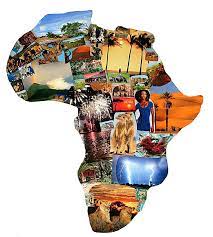
Promoting Fair Trade: Strengthening Africa's Economic Autonomy
Welcome Back.
Updated at: 2023-08-06 16:22:06 (2 years ago by Melkisedeck Leon Shine)
π Promoting Fair Trade: Strengthening Africa's Economic Autonomy π
Greetings, my fellow Africans! Today, I want to discuss a topic close to my heart β the promotion of fair trade and the importance of strengthening Africa's economic autonomy. π€πͺ
Africa is a continent rich in resources and potential. Yet, for far too long, our economic development has been hindered by external influences and dependency on foreign aid. It is time for us to take charge of our own destiny, to build a future that is independent and self-reliant. πΌπ±
To achieve this, we must focus on promoting fair trade. Fair trade ensures that producers in Africa receive a fair price for their goods, empowering them to invest in their communities and improve their lives. By embracing fair trade, we can break free from the chains of exploitation and create a more equitable and prosperous Africa. πβ
Now, let's delve into some strategies that can help us build the independent and self-reliant Africa we aspire to be:
1οΈβ£ Strengthening Agricultural Practices: Agriculture is the backbone of Africa's economy. By adopting sustainable and innovative farming methods, we can increase productivity and ensure food security. Let's explore organic farming, agroforestry, and modern irrigation techniques to enhance our agricultural practices. πΎπ±
2οΈβ£ Developing Local Industries: It is time for us to harness our entrepreneurial spirit and develop our own industries. By focusing on value addition and manufacturing, we can reduce our reliance on importing finished goods. Let's invest in training programs and infrastructure to support local businesses and foster economic growth within our communities. π§π
3οΈβ£ Investing in Education: Education is the key to unlocking Africa's potential. By prioritizing education and providing quality learning opportunities for all, we can build a skilled workforce that is capable of driving innovation and sustainable development. Let's empower our youth with knowledge and skills that will fuel the growth of our economies. ππ
4οΈβ£ Fostering Intra-Africa Trade: Africa is a continent of diverse cultures, resources, and talents. We must embrace this diversity and promote intra-Africa trade. Let's strengthen regional economic integration, remove trade barriers, and encourage cross-border collaboration. By trading amongst ourselves, we can create vibrant markets and increase our collective bargaining power in the global arena. ππ€πΌ
As Nelson Mandela once said, "Education is the most powerful weapon which you can use to change the world." Let us take inspiration from our great leaders and work towards building an Africa that is economically independent and self-reliant. ππͺ
Remember, my fellow Africans, the journey to economic autonomy may not be easy, but it is a journey worth taking. Let us come together, unite as one, and pave the way for a brighter future for Africa. ππ
What strategies do you think can help Africa become economically independent? Share your thoughts in the comments below and let's continue this conversation. π£οΈπ
If you found this article inspiring, share it with your friends and family to spread the message of promoting fair trade and strengthening Africa's economic autonomy. Together, we can make a difference! ππͺβ¨
Updated at: 2025-06-19 22:32:02 (8 months ago by Melkisedeck Leon Shine)
Africa possesses immense potential for economic growth and environmental stewardship, intrinsically linked through sustainable development. Realizing this potential demands a robust ecosystem of green entrepreneurship, empowering innovative actors to drive transformative change. This necessitates a strategic approach encompassing several key elements: fostering economic self-reliance, investing in human capital through education, promoting pan-African collaboration, embracing green technologies, and leveraging global best practices. These elements will be explored through the lens of relevant economic and development theories.
1. Fostering Economic Self-Reliance: A Dependency Theory Perspective
Overcoming economic dependence is crucial for sustainable development. The theory of dependency, which highlights the exploitative nature of global economic structures, underscores the need for empowering local entrepreneurship. Investing in indigenous businesses fosters a virtuous cycle of innovation and economic progress, strengthening community ownership and driving localized sustainable development. This approach, grounded in the principles of endogenous development, prioritizes locally-driven solutions, reducing external aid dependence and building economic resilience. The goal is to shift from a periphery position in the global economy to a more central role, capable of self-determined growth. This can be achieved by supporting local value chains and promoting the development of indigenous industries, thereby minimizing reliance on external imports and fostering a more equitable distribution of wealth.
2. Investing in Human Capital: The Human Capital Theory and its Application
Human capital theory emphasizes the importance of education and skills development for economic growth. Strategic investment in education and training programs equipping the workforce with green economy skills is paramount. This necessitates fostering entrepreneurship, innovation, and critical thinking. The curriculum should integrate practical skills development, technological literacy, and environmental sustainability principles. This investment translates into a more productive and adaptable workforce capable of driving innovation and creating green jobs. Specific skills in renewable energy, sustainable agriculture, and eco-friendly manufacturing should be prioritized, aligning education with the needs of a burgeoning green economy. This approach builds a foundation for long-term sustainable growth, moving beyond merely addressing immediate needs to cultivating future capabilities.
3. Pan-African Collaboration: Network Theory and Regional Integration
Network theory highlights the importance of interconnectedness for collective progress. Pan-African collaboration, facilitated by robust knowledge sharing and resource pooling, is crucial. Overcoming geographical and institutional barriers creates a more resilient and interconnected entrepreneurial ecosystem. Regional initiatives, knowledge hubs, and cross-border collaborations promote efficient resource allocation, leverage comparative advantages, and amplify opportunities. The establishment of collaborative platforms, leveraging digital technologies for knowledge exchange, can greatly facilitate this process. This approach transcends national borders, fostering a unified front to address common challenges and collectively harness the continent's diverse talents and resources for sustainable development.
4. Embracing Green Technologies: Sustainable Development Goals and Economic Diversification
The adoption of green technologies represents both an environmental imperative and a significant economic opportunity. Investing in renewable energy, sustainable agriculture, and eco-friendly manufacturing creates new ventures, generates employment, and strengthens local economies. This aligns directly with the Sustainable Development Goals (SDGs), particularly those related to climate action and economic growth. The transition to sustainability creates a win-win scenario, simultaneously safeguarding the environment and stimulating economic diversification, reducing dependence on resource-intensive and environmentally damaging industries. This strategy also strengthens resilience to external economic shocks, creating a more robust and sustainable future.
5. Leveraging Global Best Practices: Diffusion of Innovation Theory
The diffusion of innovation theory explains how new ideas and technologies spread through a society. Learning from global success stories, such as the transformative impact of the Green Belt Movement or the innovation in the electric vehicle industry, offers valuable insights. These examples showcase the transformative potential of determination, innovation, and commitment to positive change, inspiring African entrepreneurs to achieve similar breakthroughs. Analyzing successful models from other contexts, adapting them to the specific needs and conditions of African nations, can accelerate the adoption of innovative solutions and foster rapid progress. The identification and dissemination of best practices can be achieved through international collaborations and knowledge sharing platforms.
Conclusions and Recommendations
The development of green entrepreneurship in Africa is not merely a desirable goal, but a critical necessity for sustainable development. By systematically fostering economic self-reliance, strategically investing in human capital, promoting robust pan-African collaboration, embracing green technologies, and learning from global best practices, Africa can chart a course towards a self-reliant and sustainable future. This requires a multi-pronged approach involving individuals, communities, governments, and the international community. Further research should focus on identifying specific policy interventions that can effectively support green entrepreneurship in different African contexts, taking into account regional disparities and specific environmental challenges. A comparative analysis of successful green entrepreneurship initiatives across various African nations could provide valuable insights into replicable models and best practices. Moreover, investigating the role of technology transfer and knowledge sharing in facilitating the adoption of green technologies is crucial for accelerating progress towards sustainable development.
Reader Pool: What are the most significant barriers to the growth of green entrepreneurship in Africa, and what strategies could effectively mitigate these challenges?
Updated at: 2023-08-06 15:57:59 (2 years ago by Melkisedeck Leon Shine)
ππ± Green Technology: Leading Africa Towards Environmental Independence π±π
Greetings fellow Africans! Today, I want to take a moment to discuss a topic close to my heart: green technology and its potential to lead Africa towards environmental independence. πΏπ
As Africans, we have always had a deep connection with the land and the environment. Our ancestors understood the importance of preserving nature for future generations. Now, it is our turn to take the baton and embrace green technology as a means to build a sustainable and self-reliant Africa. ππ±
1οΈβ£ First and foremost, let us recognize that the path to environmental independence begins with each and every one of us. By adopting green technologies such as solar power, wind energy, and sustainable agriculture, we can reduce our dependence on fossil fuels and promote a cleaner, greener future for Africa. ππ¨π½
2οΈβ£ Education plays a vital role in this journey. By investing in the education and training of our youth in green technology, we empower them to become the leaders of tomorrow. Let us create opportunities for them to study renewable energy, conservation, and eco-friendly innovations. ππ‘π±
3οΈβ£ Collaboration is key. Let us come together as Africans and share our knowledge and experiences. By learning from each other, we can develop strategies and solutions that are tailored to our unique challenges and opportunities. Together, we can build a united and environmentally conscious Africa. ππ€π
4οΈβ£ Take inspiration from historical African leaders who championed environmental conservation. As Wangari Maathai, founder of the Green Belt Movement, once said, "In the course of history, there comes a time when humanity is called to shift to a new level of consciousness." Let us heed her words and embrace the green revolution. π³πͺπ
Let me share an example from Rwanda, a shining example of African environmental leadership. Through their innovative national electrification plan, they have harnessed the power of renewable energy to electrify remote areas and reduce carbon emissions. This not only improves the lives of their citizens but also protects the environment for future generations. π·πΌππ±
By promoting green technology, we can create jobs, improve health and well-being, and reduce poverty. It is a win-win scenario for Africa. The time is now for us to stand together and make a difference. ππ
Now, I ask you, my fellow Africans: What green technologies are you already embracing in your daily lives? How can we further encourage the adoption of green technology across Africa? Share your thoughts and ideas with us, for together we can lead Africa towards environmental independence. π±π‘π¦π«
If you found this article inspiring, please share it with your friends and family. Together, we can build a greener and more self-reliant Africa. Let us be the change we wish to see in the world. ππ
Let's unite and lead Africa towards a bright and sustainable future! ππ±π€
Updated at: 2023-08-06 16:22:09 (2 years ago by Melkisedeck Leon Shine)
π Promoting E-Governance: Enhancing Independence and Transparency π
Greetings, my fellow Africans! Today, I want to discuss a topic that is close to my heart - the promotion of e-governance to enhance the independence and transparency of our beloved continent. πͺπ
1οΈβ£ As Africans, we have always strived for independence and self-reliance. It is in our genes to fight for our freedom and to shape our own destiny. Now, in the digital age, we have an incredible opportunity to harness the power of technology to strengthen our governance systems and promote transparency. π²β¨
2οΈβ£ The first step towards building independence is to ensure that our governments are accountable and transparent. Through e-governance, we can create platforms that allow citizens to actively participate in decision-making processes. By involving all members of our community, we can ensure that our voices are heard and that our needs are met. π£οΈπ‘
3οΈβ£ Let us take inspiration from our African leaders such as Nelson Mandela who once said, "It always seems impossible until it's done." We must believe in our ability to overcome challenges and make a difference. By embracing e-governance, we can break down barriers and bridge the gap between the government and the people. ππΏπ¦
4οΈβ£ One strategy to promote e-governance in Africa is to invest in digital infrastructure. By providing reliable internet access to all corners of our continent, we can ensure that everyone has the opportunity to engage with the government and access vital information. Let us learn from countries like Rwanda, which has made significant progress in building a strong digital foundation. ππ»
5οΈβ£ Additionally, we must prioritize digital literacy in our education systems. By equipping our youth with the necessary skills to navigate the digital world, we empower them to actively participate in e-governance initiatives. Let us remember the wise words of Kwame Nkrumah, who said, "Education is the key to unlock the golden door of freedom." ποΈπ
6οΈβ£ Another crucial aspect of promoting e-governance is ensuring cybersecurity and data protection. As we embrace digital solutions, we must also be vigilant in safeguarding our personal information and ensuring the integrity of our systems. Let us learn from the experiences of other countries and implement robust cybersecurity measures. π‘οΈπ
7οΈβ£ It is essential for us to collaborate with international partners and learn from their experiences in promoting e-governance. By sharing knowledge and best practices, we can accelerate our progress and avoid common pitfalls. Let us remember that we are not alone in this journey towards independence and self-reliance. Together, we can achieve great things. ππ€
8οΈβ£ As I conclude, I urge all my fellow Africans to develop a strong intention to build the independent and self-reliant Africa we envision. Let us embrace e-governance as a tool to enhance transparency and accountability. Together, we can create a future where every African has a say in shaping their destiny. π±πͺ
9οΈβ£ What are your thoughts on e-governance and its potential to enhance our independence? How can we ensure that all communities in Africa have access to digital infrastructure? Share your ideas and let's continue this conversation! π£οΈπ
π If you found this article inspiring and informative, I encourage you to share it with your friends and family. Together, we can spread the message of promoting e-governance and building a self-reliant Africa. Let's create a ripple effect that will bring positive change to our continent. ππ
Remember, my fellow Africans, the power to shape our own destiny lies in our hands. Let us seize this opportunity and work towards a future of independence, transparency, and unity. Together, we can make Africa shine brighter than ever before. π«π
π Thank you for taking the time to read this article. Let us continue to strive for the betterment of our beloved continent. Stay strong, stay united, and let's build a self-reliant Africa! ππͺβ
Updated at: 2025-05-25 13:10:34 (9 months ago by Melkisedeck Leon Shine)
This article explores strategies for promoting and preserving Indigenous African Knowledge Systems (IAKS). We define IAKS as the accumulated knowledge, practices, beliefs, and values held by African communities, passed down through generations, encompassing diverse areas such as agriculture, medicine, governance, and art. This knowledge, often rooted in oral traditions and embodied practices, holds immense value for sustainable development, cultural preservation, and global intellectual discourse. The strategies outlined below are grounded in relevant sociological, anthropological, and development theories, including modernization theory, dependency theory, and post-colonial theory, to address the challenges and opportunities inherent in promoting IAKS in a globalized world.
1. Curriculum Integration and Educational Reform: Modernization theory highlights the importance of education in societal progress. Integrating IAKS into formal curricula from primary to tertiary levels fosters cultural pride, strengthens self-identity, and promotes critical thinking by providing a counter-narrative to dominant Western-centric knowledge systems. This approach necessitates teacher training, curriculum development aligned with local contexts, and the creation of educational resources that reflect the diversity of African cultures. This aligns with the concept of cultural capital, where knowledge of one's heritage is a valuable asset for social mobility.
2. Documentation and Archiving of Oral Traditions: The preservation of intangible cultural heritage is crucial. Employing ethnographic methodologies, including oral history projects, audio-visual recordings, and digital archiving, ensures the survival of IAKS. This active approach combats the risk of knowledge loss and supports the UNESCO's efforts in safeguarding intangible cultural heritage. These archives can then be made accessible through educational platforms, museums, and community centers, fostering intergenerational learning and promoting the understanding of this heritage.
3. Language Revitalization and Linguistic Empowerment: Language acts as the primary vehicle for transmitting knowledge. Supporting the preservation and promotion of African languages is vital for sustaining IAKS. Implementing language policies that foster multilingualism in education, media, and governance supports cultural diversity and facilitates the transmission of knowledge embedded within specific linguistic frameworks. This is crucial for countering linguistic imperialism and empowering communities to express their knowledge in their own terms.
4. Establishment of Pan-African Cultural Centers and Networks: The creation of dedicated physical and virtual spaces serves as hubs for knowledge exchange, research collaboration, and community engagement. These centers, using participatory action research principles, can facilitate collaborative projects between researchers, community members, and policymakers. By leveraging existing community structures, they can avoid a top-down approach and ensure the initiatives resonate with local needs and priorities, enhancing their effectiveness. Network development fosters cross-cultural learning and amplifies the global impact of IAKS.
5. Sustainable Livelihoods through the Promotion of Indigenous Arts and Crafts: Supporting indigenous artists and artisans is not only about preserving cultural heritage but also about fostering economic empowerment. This involves creating market access opportunities through fair trade initiatives, providing training in entrepreneurship and business management, and promoting cultural tourism. This approach addresses dependency theory by fostering local economies and reducing reliance on external markets, promoting sustainable development.
6. Strategic Partnerships and Cross-Cultural Dialogue: International collaboration is essential for raising global awareness of IAKS. Partnerships with international organizations, educational institutions, and research centers facilitate knowledge exchange, secure funding for research and preservation projects, and promote advocacy for the recognition of IAKS on global platforms. Fostering respectful dialogue with other cultures while upholding the integrity of IAKS is crucial for avoiding cultural appropriation.
7. Integrating IAKS into Sustainable Development Strategies: IAKS holds valuable insights for addressing contemporary challenges such as climate change, food security, and healthcare. Integrating these traditional ecological knowledge (TEK) practices into development strategies leads to environmentally sustainable and culturally appropriate solutions. This approach recognizes the potential of IAKS to contribute to the achievement of the Sustainable Development Goals (SDGs).
8. Leveraging Digital Technologies for Knowledge Dissemination: Digital platforms offer unparalleled opportunities for the dissemination of IAKS to global audiences. Creating interactive online resources, virtual museums, and digital archives allows for broader access to this rich heritage. Moreover, utilizing social media platforms facilitates intercultural dialogue and promotes greater understanding of African cultures. This approach aligns with the principles of globalization, but with a focus on empowering African voices.
9. Critical Engagement with Global Knowledge Systems: While promoting IAKS, a critical evaluation of global knowledge systems is needed to understand how they have historically marginalized and misrepresented African knowledge. This process of critical engagement allows for a more nuanced understanding of both IAKS and Western knowledge systems, fostering a more inclusive and equitable global knowledge landscape.
10. Community-Based Action and Leadership Development: Empowering local communities to lead the preservation and promotion of IAKS is essential. This involves investing in leadership training programs, fostering community ownership of projects, and promoting participatory decision-making processes. This aligns with bottom-up development approaches, ensuring local needs are addressed effectively.
The revitalization and global dissemination of IAKS require a multifaceted approach encompassing educational reform, technological innovation, community empowerment, and international collaboration. By integrating IAKS into various aspects of life, from education to sustainable development, Africa can build a future that honors its rich heritage while actively shaping its own destiny. Future research should focus on comparative studies of different IAKS preservation strategies, evaluating their effectiveness and identifying best practices. Further research exploring the economic benefits of promoting IAKS and developing robust metrics to measure the impact of these strategies would provide valuable insights. Implementing these strategies necessitates strong political will, sustained funding, and the active participation of African communities and global partners. The potential impact extends far beyond Africa, enriching global knowledge systems and promoting intercultural understanding. The success of these initiatives will depend on the collaborative efforts of governments, educational institutions, civil society organizations, and international partners.
Reader Pool: What innovative strategies, beyond those discussed, could further enhance the preservation, promotion, and global appreciation of Indigenous African Knowledge Systems?
Updated at: 2025-05-19 12:31:52 (9 months ago by Melkisedeck Leon Shine)
Africa's socioeconomic progress hinges significantly on harnessing its vast human capital. This necessitates a fundamental shift towards gender equality, a cornerstone of sustainable and inclusive development. This article analyzes the multifaceted dimensions of gender inequality prevalent across the African continent and proposes strategic interventions rooted in established development theories and models. Key theoretical frameworks informing this analysis include Human Capital Theory, the Gender Development Index (GDI), and the empowerment dimension of the Human Development Index (HDI). The GDI measures gender disparities in key dimensions of human developmentβlongevity, knowledge, and standard of livingβallowing for a comprehensive assessment of gender inequality. The HDI, including its empowerment component, assesses a nationβs overall development progress, highlighting the critical link between women's empowerment and national development. Human Capital Theory emphasizes the crucial role of investment in human capital (education, skills, and health) in driving economic growth; a significant component of this investment lies in ensuring equitable opportunities for women.
Investing in Education and Empowerment: A Foundation for Progress: Education serves as a catalyst for women's empowerment and a cornerstone of human capital development. Investing in girls' education is not merely a matter of social justice; it's a strategic investment with substantial returns. Empirical evidence robustly supports the correlation between female education levels and improved health outcomes, enhanced economic productivity, and poverty reduction. Providing girls with access to quality education at all levels, including STEM fields, equips them with the skills and knowledge needed for meaningful economic participation and societal contribution. Furthermore, targeted leadership development initiatives and mentorship programs empower women to assume influential roles across various sectors, fostering a more inclusive and representative leadership landscape. This aligns with the capabilities approach, which emphasizes the development of human capabilities as a key component of well-being and development. Providing education and empowerment opportunities enhances women's capabilities, enabling them to participate more fully in society and the economy.
Addressing Societal Norms and Structural Barriers: A Multifaceted Approach: Deep-rooted patriarchal norms and systemic barriers often perpetuate gender inequalities. These manifest in discriminatory practices concerning land ownership, inheritance rights, and political representation. Addressing these requires a multi-pronged strategy involving legal reforms, targeted policy interventions, and community-based initiatives to facilitate behavioral change. Social Learning Theory and Social Norms Theory provide frameworks for designing effective interventions to modify social norms. This involves engaging community leaders, employing social marketing campaigns to promote gender-equitable attitudes, and providing psychosocial support to women who have experienced gender-based violence. The application of these theories helps to understand and change the social dynamics that reinforce gender inequality.
The Economic Imperative of Gender Equality: Unleashing Untapped Potential: Human Capital Theory clearly demonstrates that investments in human capital are critical drivers of economic growth. Gender inequality significantly diminishes the human capital pool by limiting womenβs access to education, healthcare, and economic opportunities. The result is an inefficient allocation of resources and reduced productivity, hindering overall economic development. Empirical evidence consistently shows a strong positive correlation between gender equality and economic prosperity. Increasing female labor force participation, for instance, demonstrably boosts economic growth. By promoting equitable access to education, entrepreneurship training, and financial services, alongside the elimination of discriminatory employment practices, Africa can significantly enhance its economic potential currently constrained by gender disparities. This aligns with the principles of inclusive growth, where all segments of the population benefit from economic development.
Leveraging International Best Practices and Policy Reforms: An Evidence-Based Approach: Numerous countries have successfully advanced gender equality through targeted policy interventions. Comparative case studies can inform the design and implementation of evidence-based policies within African contexts. Analyzing successful strategies from other regions and adapting them to local realities is crucial. Examples include affirmative action policies designed to increase women's representation in politics and business, gender-responsive budgeting, and legislative reforms aimed at eradicating gender-based discrimination. This comparative approach allows for the identification of best practices and their adaptation to local contexts. Rigorous impact evaluation is necessary to assess the effectiveness of policies and programs.
Community Engagement and Collective Action: Fostering Shared Responsibility: Achieving gender equality necessitates a collective effort. Community engagement plays a crucial role in promoting shared understanding of gender issues and mobilizing collective action. Engaging men and boys as allies strengthens the sustainability and impact of transformative efforts. Participatory development programs and community-based approaches to address gender-based violence are vital strategies. Social Network Theory highlights the influence of social connections in driving social change; fostering strong social networks that support gender equality is crucial. This collaborative approach maximizes the reach and impact of interventions.
Monitoring, Evaluation, and Adaptive Management: A Cyclical Process for Continuous Improvement: Robust monitoring and evaluation systems are indispensable for tracking progress, identifying challenges, and adapting strategies as needed. Quantitative and qualitative data are essential for continuous improvement and ensuring accountability. Regular assessments of the GDI and HDI, along with other relevant indicators, provide crucial insights into progress towards gender equality goals. Adaptive management strategies, integrating feedback and lessons learned, maximize the effectiveness of interventions. This ensures that interventions remain relevant and effective in achieving their intended goals.
Conclusion and Recommendations: A Path Towards Inclusive Development
Gender equality in Africa is not simply a social justice imperative; it is paramount for unlocking the continent's transformative potential. The strategies outlined above, grounded in robust development theories and best practices, provide a framework for progress. This requires a comprehensive, multi-sectoral approach integrating legal reforms, policy adjustments, community mobilization, and individual commitment. Continuous monitoring and evaluation are critical for ensuring the effectiveness of interventions and facilitating necessary adaptations. Future research should focus on: (1) Identifying the specific contextual factors influencing gender inequality in diverse African regions; (2) Evaluating the efficacy of varied interventions in different settings; (3) Strengthening data collection systems; and (4) Conducting rigorous research to quantify the economic and social benefits of gender equality. By embracing a holistic, evidence-based approach, Africa can significantly accelerate progress towards gender equality, fostering inclusive growth, and creating a more equitable and prosperous future for all its citizens. The adoption of a human rights-based approach to development further strengthens this framework, ensuring that gender equality is recognized as a fundamental human right.
Reader Pool: Considering the multifaceted challenges outlined, what innovative policy mechanisms or community-based interventions do you believe are most promising for accelerating gender equality in specific African contexts, and how can their effectiveness be rigorously measured?
Updated at: 2025-05-28 10:54:41 (9 months ago by Melkisedeck Leon Shine)
This article examines Africa's transition from aid-reliant development to a trade-driven model of economic growth. We will analyze key strategies for achieving economic independence, leveraging the continent's resources while addressing inherent challenges. Our analysis integrates several core economic theories. Dependency theory clarifies the limitations of aid-based development, contrasting it with the comparative advantage principle, highlighting the potential for trade-led expansion. Endogenous growth theory frames the roles of institutions, infrastructure, and human capital development, emphasizing internally driven sustainable growth. New trade theory provides a framework for understanding the benefits of regional integration and strategic partnerships in promoting diversification and resilience. Furthermore, the principles of institutional economics and the Sustainable Development Goals (SDGs) will inform our analysis. We define key concepts as follows: Dependency theory explains how less-developed economies can become trapped in a cycle of reliance on more developed nations; Comparative advantage illustrates how nations can benefit from specializing in producing and exporting goods they can make most efficiently; Endogenous growth theory focuses on factors within an economy that drive long-term growth, such as human capital and innovation; New trade theory emphasizes the role of economies of scale and network effects in fostering trade and economic growth; Institutional economics analyzes how formal and informal institutions shape economic outcomes. The SDGs provide a framework for sustainable and inclusive development.
Harnessing Africa's Comparative Advantage and Resource Endowment: Africa possesses substantial natural resources. However, mere resource extraction is insufficient for sustainable development. The comparative advantage principle advocates for value addition through industrialization and diversification. This necessitates investments in processing, technological upgrades, and diversification beyond primary commodities to mitigate price volatility. Successful transformations of resource-rich economies serve as effective models. For example, the transformation of economies like South Korea, which moved beyond simple resource exports to higher value-added manufacturing, exemplifies this shift. This approach aligns with the Resource-Based View (RBV), which posits that firms can achieve a competitive advantage by effectively utilizing their unique internal resources and capabilities, including access to resources. In this case, it's critical that African nations effectively leverage their natural resources by transforming them into manufactured goods and services that have a higher market value.
Developing Robust Infrastructure and Regional Integration: Efficient infrastructure is fundamental to economic growth. Investment in transportation (roads, railways, ports, airports), energy, and communication technologies facilitates domestic and international trade. The African Continental Free Trade Area (AfCFTA) presents a significant opportunity for enhanced intra-African trade, fostering regional integration and reducing external market dependence. New trade theory highlights the benefits of scale economies and network effects, which the AfCFTA aims to unlock through increased trade volume and regional specialization. This approach aligns with the principles of network theory in that the integration of the African market allows for economies of scale and the synergistic benefits of connected economies.
Strengthening Governance and Institutional Frameworks: A robust institutional environment is crucial for sustainable economic development. Institutional economics emphasizes that efficient, transparent institutions, characterized by the rule of law, property rights protection, and low corruption, attract foreign direct investment (FDI). A stable macroeconomic environment, including sound fiscal and monetary policies, enhances investor confidence and long-term stability. Conversely, weak governance and corruption hinder development. Countries demonstrating successful governance reforms and attracting significant FDI can serve as benchmarks for implementing effective institutional change.
Investing in Human Capital and Technological Advancement: Endogenous growth theory emphasizes human capital as a key driver of long-term economic growth. Investments in quality education, especially in STEM fields, are essential for a skilled workforce capable of driving innovation and productivity. Promoting entrepreneurship and innovation through supportive policies and R&D investment is crucial for leveraging technological advancements. Digital technology adoption across various sectors can significantly enhance productivity and competitiveness, similar to successful knowledge-based economies. This approach directly reflects the knowledge-based economy's focus on leveraging information and technology for growth.
Promoting Sustainable and Inclusive Development: Sustainable development necessitates integrating environmental considerations into economic planning. This approach prioritizes environmental protection, resource management, and inclusive growth that benefits all segments of society. This aligns with the SDGs, acknowledging that economic progress must be coupled with social equity and environmental sustainability. This integrated approach minimizes negative externalities and ensures environmentally and socially responsible economic growth. This model also employs the principles of the triple bottom line, emphasizing the importance of considering social, environmental and economic sustainability.
Leveraging Strategic Partnerships and Knowledge Transfer: Strategic partnerships with developed countries and international organizations can facilitate access to expertise, technology transfer, and financial resources. These partnerships must be structured to ensure mutual benefit and alignment with African development priorities. Successful knowledge transfer and capacity building initiatives support sustainable and inclusive growth. Careful consideration of potential downsides, such as dependency or unequal power dynamics, is necessary for successful implementation. This approach incorporates insights from international relations theory, which helps to evaluate the dynamics of power and cooperation in international partnerships.
Embracing Technological Innovation and the Digital Economy: The digital revolution presents transformative opportunities. Investment in digital infrastructure, promotion of digital literacy, and fostering a vibrant digital economy are crucial for accelerating economic growth and creating new employment opportunities. This strategy aligns with the principles of the knowledge economy, emphasizing the role of information and communication technologies in driving innovation and productivity. Analyzing successful digital transformations in other regions can provide valuable insights for African nations. This approach incorporates the principles of diffusion of innovations, highlighting how the adoption of new technologies can transform economies.
Conclusion and Recommendations
Africa's path to economic independence requires a holistic approach integrating economic policies, institutional reforms, and strategic partnerships. Successful transition from aid dependency to trade-led growth relies on sustained investment in human capital, infrastructure, and technological innovation. Strengthening regional integration through initiatives like the AfCFTA is crucial for realizing Africa's economic potential. Good governance, anti-corruption measures, and a stable investment climate are paramount for attracting FDI and stimulating sustainable development. Sustainable development practices and technological advancements are vital for building a prosperous and resilient economy. Future research could quantitatively and qualitatively evaluate various policy interventions, analyzing the impact of regional integration on economic growth, and investigating innovative financing mechanisms to support the transition to a trade-driven development model. By embracing these strategies and fostering a collaborative environment, Africa can achieve lasting economic independence and widespread prosperity. A robust evaluation framework using mixed-methods research would effectively assess the effectiveness of implemented strategies.
Reader Pool: Considering the unique socio-political contexts across African nations, what innovative approaches are needed to overcome the pervasive challenges hindering effective implementation of these trade-led growth strategies?
Updated at: 2025-08-20 10:23:02 (6 months ago by Melkisedeck Leon Shine)
```htmlAcross the African continent, a transformative movement is taking root, driven by the ingenuity and dedication of social entrepreneurs. These individuals are more than just business owners; they are architects of sustainable change, building brighter futures for their communities by fostering independence and driving impactful development initiatives. This article delves into the core strategies that empower African social entrepreneurs and cultivate the growth of self-reliant communities.
At its heart, social entrepreneurship seeks to address pressing social needs through innovative, market-driven solutions. Unlike traditional businesses that primarily focus on profit maximization, social enterprises prioritize creating social value alongside economic returns. They embody the principles of the triple bottom line β people, planet, and profit β striving for sustainable solutions that benefit both the community and the environment.
In conclusion, empowering African social entrepreneurs is paramount to building independent and sustainable communities. This requires a multifaceted approach encompassing human capital development, strategic innovation, collaborative partnerships, knowledge transfer, adaptive leadership, ethical business practices, continuous learning, collective action, indigenous innovation, and the celebration of cultural heritage. These strategies, when implemented effectively, can unlock the immense potential of African social entrepreneurs and drive transformative change across the continent.
To further accelerate this progress, the following recommendations are proposed:
The successful implementation of these strategies and recommendations will have profound impacts on African communities, leading to increased economic empowerment, improved social well-being, and enhanced environmental sustainability. Furthermore, it will contribute to the achievement of the Sustainable Development Goals (SDGs) and create a more equitable and prosperous future for all Africans. Further research should focus on identifying specific barriers to social entrepreneurship in different African contexts and developing tailored solutions to address these challenges.
The future of Africa lies in the hands of its entrepreneurs. By embracing the challenge, celebrating collective strength, and working together, a more prosperous and equitable continent can be built.
What innovative solutions can be developed to address the unique challenges faced by social entrepreneurs in rural African communities?
Updated at: 2025-05-29 10:49:09 (9 months ago by Melkisedeck Leon Shine)
This article examines the critical issue of promoting local governance and empowering African communities. We will explore key concepts such as local governance (the process by which communities manage their own affairs), community empowerment (the process of enabling communities to take control of their own development), and sustainable development (meeting the needs of the present without compromising the ability of future generations to meet their own needs). These concepts will be analyzed through the lens of relevant theories and models, including the human capital theory, the social capital theory, and the diffusion of innovations theory. Real-world examples and case studies will be used to illustrate the application of these concepts.
Investing in Human Capital Through Education: A cornerstone of community empowerment is the development of human capital. The human capital theory posits that investments in education and skills development directly translate into increased productivity and economic growth. Providing quality education, including access to technology and vocational training, equips individuals with the knowledge and skills necessary for economic participation and civic engagement. This approach aligns with the Sustainable Development Goal 4 (Quality Education), which emphasizes inclusive and equitable quality education and promotes lifelong learning opportunities for all. Successful examples include initiatives focused on girls' education, which has been shown to have significant positive ripple effects on community development.
Stimulating Economic Growth Through Entrepreneurship and Local Business Development: Fostering entrepreneurship and supporting local businesses is crucial for sustainable economic development. This approach leverages the principles of the social capital theory, which emphasizes the importance of social networks and trust in facilitating economic activity. By promoting the creation and growth of locally-owned enterprises, communities can generate employment opportunities, increase income levels, and strengthen their economic resilience. This could involve microfinance initiatives, business incubators, and targeted support for women and youth-led businesses. The diffusion of innovations theory can be applied here, encouraging the adoption of successful business models and technologies from other contexts, while adapting them to the specific needs and resources of local communities.
Youth Participation and Inclusive Governance: Meaningful youth participation is essential for effective and sustainable local governance. Active involvement of young people in decision-making processes ensures that their perspectives and aspirations are integrated into community planning and development initiatives. This participatory approach is grounded in the principles of democratic governance and aligns with the principles of youth empowerment and the promotion of social justice. Creating platforms for youth engagement, such as youth councils and participatory budgeting processes, allows for the mobilization of their energy and ideas, leading to more effective and inclusive governance structures.
Learning from Comparative Experiences and Best Practices: The adoption of successful strategies and best practices from other regions and contexts can accelerate the progress of community development initiatives in Africa. The diffusion of innovations theory provides a framework for understanding how innovations spread and are adopted within communities. This includes identifying successful models of participatory governance, community-based development projects, and conflict resolution mechanisms from other parts of the world and adapting them to the unique socio-cultural contexts of African communities. This comparative analysis can lead to the identification of transferable practices and lessons learned that are appropriate and sustainable within African contexts.
Conclusions and Recommendations:
Empowering African communities through effective local governance requires a holistic and multi-pronged approach. Investing in human capital, stimulating economic growth, fostering youth participation, and learning from comparative experiences are all interconnected and mutually reinforcing strategies. Further research should focus on evaluating the impact of specific interventions, identifying context-specific barriers to community empowerment, and developing culturally sensitive and sustainable solutions. A key recommendation is the establishment of robust monitoring and evaluation frameworks to track progress, identify challenges, and adapt strategies accordingly. This ensures accountability and allows for the continuous improvement of local governance mechanisms, leading to greater community empowerment and sustainable development. The impact of these strategies will be far-reaching, leading to more equitable societies, stronger economies, and improved quality of life for all. The applicability of these approaches extends beyond Africa, providing valuable insights for community development efforts worldwide.
Reader Pool: Considering the multifaceted challenges and diverse contexts within Africa, what innovative strategies can best bridge the gap between theoretical models of community empowerment and effective, on-the-ground implementation?
Updated at: 2025-06-19 16:42:01 (8 months ago by Melkisedeck Leon Shine)
This article examines strategies for promoting and preserving Indigenous African Knowledge Systems (IAKS). We define IAKS as the cumulative body of traditional knowledge, practices, beliefs, and values held by indigenous African communities, encompassing diverse fields such as agriculture, medicine, governance, and art. Our proposed strategies will be framed by relevant theories, such as the Theory of Planned Behavior (which posits that behavioral intentions are shaped by attitudes, subjective norms, and perceived behavioral control), and models like the Diffusion of Innovations model (which describes how new ideas spread through populations). The core concept underpinning our discussion is cultural revitalization, which aims to reclaim and strengthen cultural identities, promoting resilience and self-determination. This framework allows for a nuanced understanding of the multifaceted challenges and opportunities inherent in the preservation and dissemination of IAKS.
The significance of IAKS extends beyond mere historical preservation; it holds immense potential for addressing contemporary challenges and fostering sustainable development. This is particularly relevant in the context of achieving the Sustainable Development Goals (SDGs), where indigenous knowledge can contribute significantly to areas such as climate change adaptation, food security, and healthcare access. The integration of IAKS into modern development paradigms is therefore not just a cultural imperative, but also a strategic necessity for creating a more equitable and sustainable future.
1. Community-Led Cultural Revitalization Initiatives: Empowering indigenous communities to lead their own cultural revitalization efforts is foundational. This participatory approach, aligned with principles of community empowerment and participatory development, ensures cultural authenticity and sustainability. Practical implementation involves providing resources and support to community-led projects, prioritizing their decision-making authority in managing their cultural heritage. Success is gauged by increased community involvement in cultural initiatives and the creation of self-sustaining cultural projects. This approach directly addresses issues of power dynamics and neocolonial influences in knowledge production and dissemination.
2. Formal Integration of IAKS into Educational Curricula: Integrating IAKS into formal education at all levels fosters intergenerational knowledge transmission. This aligns with social cognitive theory, emphasizing observational learning and role modeling. Practical application involves developing culturally relevant educational materials and training teachers. Success is measured by increased student engagement with IAKS and a deeper understanding of indigenous perspectives. This strategy is crucial for countering the marginalization of indigenous knowledge within dominant educational systems.
3. Systematic Documentation and Archiving of Oral Traditions: Meticulous documentation and archiving of oral traditions, employing ethno-anthropological and oral history methodologies, is essential for preserving IAKS. Digital archiving ensures accessibility and facilitates future analysis, preventing the loss of invaluable cultural heritage. This strategy adheres to principles of cultural preservation and memory work, requiring ethical data collection and management protocols developed in collaboration with indigenous communities. This approach confronts the risk of knowledge loss due to globalization and modernization.
4. Language Revitalization and Promotion: African languages are integral to IAKS transmission. Supporting their use and preservation strengthens cultural identity and facilitates intergenerational knowledge transfer. This strategy, informed by linguistic anthropology and language policy research, involves creating multilingual educational resources, language training programs, and leveraging digital platforms. Progress is tracked through increased active language speakers and the creation of new language learning materials. This addresses language endangerment and promotes linguistic diversity.
5. Establishment of Pan-African Centers for Indigenous Knowledge: Establishing physical and virtual centers for the study, research, and dissemination of IAKS fosters collaborative research, knowledge exchange, and capacity building. These centers serve as living archives, promoting interaction between researchers, community members, and policymakers. Participatory action research ensures community involvement. Establishment requires securing funding, collaborations with universities and research institutions, and effective community partnerships. This strategy facilitates knowledge sharing and avoids extractive research practices.
6. Economic Empowerment of Indigenous Artists and Artisans: Indigenous artists and artisans are crucial custodians of IAKS. Providing market access and economic opportunities promotes cultural preservation while improving livelihoods. This relates to cultural economics and sustainable development, involving fair trade initiatives, e-commerce platforms, and mentorship programs. Success is measured by increased economic opportunities and the preservation of traditional skills. This strategy directly combats economic marginalization and promotes sustainable livelihoods.
7. Integrating IAKS into Sustainable Development Initiatives: IAKS provides valuable insights for sustainable development. Integrating traditional ecological knowledge (TEK) into modern practices offers ecologically sound and culturally appropriate solutions to address climate change, food security, and health issues. This involves collaborations between indigenous communities, policymakers, and researchers. Evaluation measures the environmental and social impact of projects incorporating TEK, creating synergies between traditional and contemporary approaches to sustainability.
8. Leveraging Digital Technologies for Knowledge Dissemination: Digital technologies offer unprecedented opportunities for global dissemination of IAKS. Online platforms, social media, and virtual museums increase accessibility and promote intercultural understanding. This strategy utilizes the potential of digital anthropology and the digital humanities, creating websites, social media campaigns, and online learning resources. Success is measured by the reach of digital platforms and user engagement. This approach utilizes technology for cultural preservation and promotion.
9. Strategic Knowledge Exchange with Global Partners: Strategic partnerships with other cultures facilitate learning from best practices in knowledge preservation and dissemination. This exchange fosters innovative approaches while upholding cultural integrity. This connects with cross-cultural understanding and globalization, involving international collaborations and exchange programs. Success is determined by the development of new approaches for enhancing IAKS dissemination, promoting intercultural dialogue and mutual learning.
10. Fostering Pan-African Collaboration and Knowledge Sharing: Collaboration is crucial for effective dissemination of IAKS across borders. Networks and platforms for knowledge exchange strengthen collective wisdom and foster a shared sense of identity. This aligns with theories of social capital and transnational networks. Implementation includes workshops, conferences, and collaborative research projects focusing on indigenous knowledge. Success is measured by increased cross-border collaboration and the development of shared resources and networks. This strategy promotes regional cooperation and collective action.
Revitalizing and globally disseminating IAKS necessitates a holistic approach encompassing education, documentation, language revitalization, collaborative research, economic empowerment, and strategic use of digital technologies. Community ownership and leadership are paramount. Success requires strong partnerships among indigenous communities, researchers, policymakers, and international organizations. Future research should focus on developing culturally sensitive methodologies, creating effective knowledge-sharing platforms, and evaluating the long-term impact on community well-being and sustainable development. Impact assessment should employ both qualitative and quantitative methods, analyzing changes in knowledge transmission, community engagement, and socio-economic outcomes. A robust evaluation framework is crucial to assess the effectiveness and sustainability of each strategy. Further research could explore integrating IAKS into conflict resolution, peacebuilding, and sustainable peace initiatives. The ultimate objective is to foster global recognition of IAKS's intrinsic value and its contribution to a more just, equitable, and sustainable world. A key aspect of future research should involve exploring the potential for applying systems thinking methodologies to understand the interconnectedness and complexity of IAKS revitalization efforts, moving beyond a linear approach to a more holistic and interconnected understanding of the various strategies and their interactions.
Reader Pool: Considering the complexities of intellectual property rights and the potential for cultural appropriation, how can we ensure the ethical and equitable dissemination of Indigenous African Knowledge Systems on a global scale?