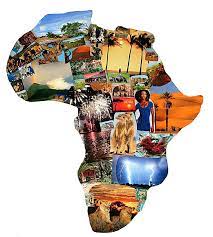
African Universities: Pillars of Continental Unity
Welcome Back.
Updated at: 2025-05-23 10:28:06 (6 months ago by Melkisedeck Leon Shine)
This article explores the critical role African universities play in fostering unity across the continent. We will examine how these institutions, through curriculum design, student engagement, and institutional collaborations, can contribute to a shared African identity and overcome historical divisions. Key concepts such as social identity theory, the contact hypothesis, and the concept of Pan-Africanism will be utilized to frame the discussion and provide a theoretical basis for understanding the proposed strategies.
1. Cultivating a Shared Social Identity: Social identity theory posits that individuals derive part of their self-concept from their group memberships. African universities can leverage this by actively promoting a shared African identity amongst students from diverse backgrounds. This can be achieved through integrating Pan-African narratives into curricula, celebrating diverse cultural expressions through events and initiatives, and fostering inter-university collaborations on projects that highlight shared heritage and address common challenges.
2. Bridging Divides Through Intergroup Contact: The contact hypothesis suggests that positive interactions between members of different groups can reduce prejudice and foster understanding. African universities provide ideal settings for such interactions. Structured programs promoting cross-cultural exchange, collaborative research projects involving students from various nations, and inclusive campus environments where students from diverse backgrounds interact regularly can facilitate positive intergroup contact and break down stereotypes.
3. Curriculum Reform: A Foundation for Unity: Integrating Pan-African history, literature, and the arts into university curricula is crucial. This approach moves beyond a fragmented, nation-centric education and provides a holistic understanding of the continentβs shared past, struggles, and achievements. Such a curriculum can foster a sense of collective identity and shared purpose, countering divisive narratives that emphasize differences over commonalities.
4. Fostering Collaboration and Innovation: Universities can serve as hubs for collaborative research and innovation, tackling pan-African challenges such as sustainable development, disease control, and technological advancement. By encouraging joint research projects and initiatives involving students and faculty from across the continent, universities cultivate a spirit of cooperation and mutual respect, building networks that transcend national borders.
5. Investing in Exchange Programs and Scholarships: Investing in robust exchange programs and scholarships is paramount. This facilitates cross-cultural understanding among students, strengthens ties between African nations, and creates a network of future leaders who are committed to continental unity. These initiatives can be modeled on successful initiatives from other regions, such as the Erasmus+ program in Europe, adapting best practices to the unique context of Africa.
6. Leadership Development for Pan-Africanism: African universities must actively cultivate leadership committed to Pan-African unity. This requires incorporating Pan-African ideals into leadership training programs, fostering critical thinking about the challenges to continental integration, and providing opportunities for students to engage in leadership roles within university and community initiatives promoting collaboration and unity.
Conclusions and Recommendations: African universities possess immense potential to foster Pan-African unity. By actively promoting a shared social identity, facilitating positive intergroup contact, reforming curricula to reflect a Pan-African perspective, fostering collaboration, investing in exchange programs, and cultivating Pan-African leadership, these institutions can play a transformative role. Further research should focus on evaluating the effectiveness of these strategies, identifying best practices, and adapting them to diverse regional contexts across Africa. The impact of such initiatives will be measured by the increased levels of collaboration, understanding, and shared identity among African citizens and the resulting positive effects on socio-economic development across the continent. These transformative changes necessitate a multifaceted approach involving significant investment from governments, universities, and international organizations.
Reader Pool: Considering the significant challenges facing Africa, what specific strategies do you believe are most effective in fostering a cohesive Pan-African identity within the context of higher education?
Updated at: 2025-03-01 21:52:07 (9 months ago by Melkisedeck Leon Shine)
```htmlThe advancement of women's rights is not merely a social imperative; it is the cornerstone of a thriving and prosperous Africa. As we strive towards a unified continent, the empowerment and equality of African women must be at the forefront of our collective efforts. This is not simply about uplifting half our population; itβs about unlocking the immense potential residing within every woman, a potential crucial to the continent's progress and future.
A Legacy of Unity: Our history resonates with the strength of unity and solidarity. The fight for independence from colonial rule mirrors the urgent need to champion the rights of African women today. Nelson Mandela's words, "Freedom cannot be achieved unless the women have been emancipated from all forms of oppression," remain profoundly relevant. Honoring our ancestors' struggles necessitates creating a future where women are equal partners in shaping our societies.
Celebrating African Women's Resilience: African women have consistently been at the vanguard of transformative change. From Queen Nzinga of Angola to Wangari Maathai of Kenya, their unwavering resilience and determination have indelibly shaped our history. Their legacies inspire us to empower women in our communities, providing them with the tools and opportunities to effect positive change.
Education: The Key to Empowerment: Investing in girls' education is paramount. It's not just about individual empowerment; it's about creating a brighter future for all of Africa. Malala Yousafzai's powerful statement, "One child, one teacher, one book, and one pen can change the world," encapsulates the transformative power of education. Guaranteeing every African girl access to quality education is an investment in our collective future.
Economic Empowerment: Breaking Barriers: Economic independence is crucial for women's rights and continental development. When women are economically empowered, they can break free from the constraints of gender inequality. Supporting initiatives that provide training, mentorship, and access to capital for women entrepreneurs is vital in this endeavor. This includes fostering entrepreneurship, promoting access to finance, and creating supportive business ecosystems.
Healthcare: A Fundamental Right: Access to quality healthcare is a fundamental human right. Addressing critical issues like maternal mortality, HIV/AIDS prevalence, and female genital mutilation requires a unified, continent-wide commitment. We must advocate for comprehensive healthcare systems that prioritize the health and well-being of women.
Political Participation: Amplifying Women's Voices: African women are proven leaders, yet their political representation often falls short. Creating an environment where women can actively participate in decision-making processes is crucial. We must encourage and support women in politics and ensure their voices are heard at all levels of governance.
Challenging Harmful Norms: Promoting women's rights necessitates challenging harmful cultural norms and traditions that perpetuate gender inequality. Open dialogue about gender roles and societal expectations is essential to foster a culture of respect and equality.
Dismantling Systemic Barriers: Access to justice, land rights, and protection from gender-based violence are fundamental rights. We must work collaboratively to create laws and policies that safeguard these rights and ensure accountability for violations.
Leveraging Technology for Change: Social media and technology provide powerful tools for amplifying voices and raising awareness. We must utilize these platforms to share the inspiring stories of African women who are driving change and inspire others to join the movement for gender equality.
Unity for a Brighter Africa: Our shared history teaches us that unity is strength. By promoting women's rights, we build a stronger, more inclusive Africa for future generations. It is a collective responsibility that demands our unified action. This isn't just a campaign; it's a commitment to building a better Africa, together.
Join us in this vital journey. Share this message, amplify the voices of African women, and contribute to creating an Africa where every woman is free, empowered, and celebrated. Let us collectively build a future where the full potential of every African woman is realized.
```
Updated at: 2023-08-06 14:21:33 (2 years ago by Melkisedeck Leon Shine)
ππ African Literature and Storytelling: Preserving Our Heritage ππ
Hello fellow Africans! Today, I want to talk to you about a topic that is close to our hearts - the art of African literature and storytelling. ππ
In our vast and diverse continent, storytelling has always been an integral part of our culture. It is through the power of words and narratives that we have preserved our history, traditions, and values for generations. π£οΈπ Our stories have the ability to connect us, inspire us, and remind us of our shared heritage. They are a powerful tool that can bring us closer together as Africans. π€
1οΈβ£ Through the pages of African literature, we can delve into the richness of our past and gain a deeper understanding of who we are as a people. It allows us to explore different perspectives, experiences, and realities, fostering empathy and unity among Africans across borders and cultures.
2οΈβ£ Our literature provides a platform to celebrate the achievements, struggles, and resilience of our ancestors. It reminds us of the great leaders who fought for freedom, justice, and equality, such as Nelson Mandela, who said, "Education is the most powerful weapon which you can use to change the world."
3οΈβ£ From the captivating works of Chinua Achebe to the thought-provoking poetry of Maya Angelou, African literature has made a significant impact on the global literary scene. It is through our stories that we challenge stereotypes, break boundaries, and redefine our place in the world.
4οΈβ£ As Africans, we must take pride in our literary heritage and ensure its preservation for future generations. Just like the ancient Egyptians preserved their history through hieroglyphics, or the Greeks through epic poems, we too have a responsibility to safeguard our stories and pass them down to the next generation.
5οΈβ£ By reading and supporting African literature, we not only enrich our own lives but also contribute to the development of our communities and the empowerment of our fellow Africans. We must embrace our diverse voices and encourage the growth of African authors, publishers, and bookstores.
6οΈβ£ Let us remember that the power of storytelling extends beyond the written word. Our oral traditions, folklore, and music are also vital forms of storytelling that have shaped our collective identity. We must continue to honor and preserve these traditions, for they hold the keys to our cultural heritage.
7οΈβ£ African literature and storytelling have the potential to bridge gaps, heal wounds, and create understanding among Africans. When we come together to listen to each other's stories, we find common ground and realize that our differences are what make us strong.
8οΈβ£ Just as the Sankofa bird symbolizes the importance of learning from the past, we too must look back to our roots and draw inspiration from the wisdom of our ancestors. Their stories are our stories, and through them, we can build a brighter future for Africa.
9οΈβ£ So, I challenge you, my fellow Africans, to immerse yourselves in African literature and storytelling. Share your favorite books, poems, and stories with your friends, family, and communities. Let us create spaces where our voices can be heard and celebrated.
π What are your favorite African books or stories? How have they impacted your life? Share them with us in the comments below and let's keep the conversation going! ππ
Let us unite as Africans, supporting and uplifting each other through the power of literature and storytelling. Together, we can preserve our heritage, inspire the next generation, and create a stronger, more united Africa. ππ€
Don't forget to share this article with your friends and family to spread the message of African unity and heritage preservation. Let's make a difference together! ππβ¨
Updated at: 2023-08-06 13:47:08 (2 years ago by Melkisedeck Leon Shine)
Title: A Continent United: Harnessing Our Collective Potential ππͺ
Introduction: Greetings, my fellow Africans! Today, I invite you on a journey of unity, where we explore the immense power we possess when we stand together as one continent. Africa, with its diverse cultures, rich history, and vast resources, has the potential to become a global force to be reckoned with. Let us embark on this extraordinary endeavor of harnessing our collective potential, for the betterment of our beloved continent.
History as a Lesson: Look at history, my friends. We have seen how unity has transformed nations and achieved remarkable milestones. Mahatma Gandhi once said, "Our ability to reach unity in diversity will be the beauty and the test of our civilization." Let us draw inspiration from our own leaders, such as Nelson Mandela, Kwame Nkrumah, and Julius Nyerere, who emphasized the importance of unity in achieving greatness.
Unity as a Catalyst for Development: Imagine the possibilities if we were to pool our resources, talents, and knowledge. Unity strengthens our economies, enhances technological advancements, and fosters innovation. By working together, we can overcome challenges such as poverty, unemployment, and underdevelopment. Together, we have the power to transform Africa into an unstoppable force on the global stage.
The African Union as a Platform for Unity: The establishment of the African Union (AU) was a significant step towards our collective progress. It provides a platform for us to address common challenges and promote collaboration among African nations. Let us make the most of this institution and actively participate in its initiatives, ensuring that our voices are heard and our concerns are addressed.
Embracing Our Cultural Diversity: Let us celebrate the tapestry of our cultures, languages, and traditions. Our diversity is a unique strength that we should cherish and use to our advantage. When we respect and appreciate one another's differences, we build bridges that lead to understanding, harmony, and a stronger sense of unity.
Strengthening Regional Integration: Regional integration initiatives, such as the East African Community (EAC) and the Economic Community of West African States (ECOWAS), have demonstrated the benefits of closer cooperation. Let us support and actively engage in such regional partnerships, which can lead to increased trade, improved infrastructure, and enhanced opportunities for our people.
Education as a Unifying Force: Investing in education is investing in our future. By prioritizing quality education for all Africans, we empower our youth with the knowledge and skills needed to drive our continent forward. Let us work together to ensure that education is accessible, affordable, and of the highest standards, nurturing a generation of leaders who will continue to champion African unity.
Leveraging Technology and Innovation: The digital revolution has brought the world closer together. Let us seize this opportunity to harness technology and innovation to bridge the gaps that divide us. By embracing digital connectivity, we can promote cross-border collaborations, improve access to essential services, and create new avenues for economic growth.
Sports and Cultural Exchanges: Sports, like football, have the power to rally nations and promote unity. Let us organize more sporting events that bring Africans together, fostering a sense of camaraderie and friendly competition. Additionally, cultural exchanges allow us to appreciate and learn from one another, forging lasting connections that transcend borders.
Embracing Pan-Africanism: Pan-Africanism, an ideology that advocates for the political and economic unity of Africa, holds tremendous potential for our collective progress. Let us embrace this philosophy and work towards a common African identity, transcending our individual nations and focusing on our shared destiny.
Emphasizing African Solutions to African Challenges: We must recognize that no one understands our challenges better than we do. By prioritizing African solutions, we empower ourselves to address the unique issues we face. Through collaboration, knowledge-sharing, and the utilization of our collective strengths, we can overcome any obstacle that comes our way.
The Power of Solidarity: Solidarity is a powerful tool that can break down barriers and bring about positive change. Let us support our fellow Africans during times of crisis, whether it be natural disasters, conflicts, or health emergencies. Together, we can provide aid, share resources, and rebuild communities, showcasing the true spirit of Ubuntu.
Harnessing Diaspora Influence: The African diaspora holds immense potential to contribute to our continent's progress. Let us strengthen our ties with our brothers and sisters living abroad, tapping into their skills, expertise, and financial resources. By fostering connections with the diaspora, we can create a global network of African unity and collaboration.
Youth Engagement and Empowerment: Our youth are the future leaders of Africa. Let us empower them by providing opportunities for education, mentorship, and entrepreneurship. By actively involving young people in decision-making processes and investing in their potential, we ensure a sustainable and united Africa for generations to come.
Building Bridges, Not Walls: Let us break down the walls that divide us and build bridges that connect us. By promoting dialogue, understanding, and diplomacy, we can resolve conflicts and build lasting partnerships. Together, we can create a future where our differences are celebrated, and our collective potential is unleashed.
Join the Movement and Share the Dream: My fellow Africans, I invite you to join this movement towards a united Africa. Let us share this article with our friends, family, and colleagues, spreading the message of African unity. Together, we can inspire change, ignite passion, and make a lasting impact on our beloved continent. Will you stand united with us?
In conclusion, the power of a united Africa is within our grasp. Let us embrace our collective potential, draw inspiration from our history, and work towards a future where Africa takes its rightful place on the global stage. Together, we can achieve greatness and create a brighter tomorrow for all Africans. Let us unite and forge ahead, hand in hand, towards a continent that we can all be proud of. ππͺ
Share this article and let's make African unity a reality! βπβ€οΈ
Updated at: 2025-02-28 10:40:12 (9 months ago by Melkisedeck Leon Shine)
```htmlAfrican universities stand as beacons of knowledge, deeply intertwined with the past, present, and future of our continent. Their role extends far beyond academic pursuits; they are crucial catalysts in fostering unity across the diverse landscape of Africa. This essay explores the significant ways in which these institutions can cultivate a stronger sense of collective identity and collaboration across nations.
Universities serve as incubators of wisdom, shaping minds and fostering critical thinking. By emphasizing shared history, cultural heritage, and the inherent strength in diversity, these institutions can cultivate a powerful sense of collective identity amongst African students. This shared understanding forms the foundation for breaking down barriers and building bridges between different nations and communities.
Education within African universities provides an invaluable platform to challenge existing stereotypes and misconceptions. Open dialogue and critical engagement with diverse perspectives equip students to become future leaders committed to fostering unity and dismantling divisive narratives. This commitment to fostering understanding is vital for creating a continent where cooperation thrives.
Nelson Mandela's powerful assertion that "Education is the most powerful weapon which you can use to change the world" resonates deeply. Harnessing this power within African universities offers a potent pathway to positive transformation across the continent. It requires a proactive approach to education that encourages collaboration and a shared vision for the future.
The potential for innovation and collaboration within African universities is immense. Encouraging collaborative research projects and initiatives among students from different African nations fosters a spirit of cooperation and shared purpose, building relationships that extend beyond academic boundaries. This collaborative approach creates a stronger sense of community and shared identity.
Learning from successful examples of regional integration, such as the European Union, offers valuable insights. The EU demonstrates the powerful impact of educational exchange programs and cross-border collaborations in fostering strong relationships and bridging divides. By implementing similar strategies, African universities can significantly contribute to continental unity.
Investment in scholarships and exchange programs is critical for facilitating cross-cultural understanding. These programs create invaluable opportunities for students to connect with peers from different backgrounds, fostering lasting relationships and mutual respect. These personal connections build a foundation for future collaboration and understanding.
Kwame Nkrumah's vision of a forward-looking Africa, unburdened by East-West divisions, remains profoundly relevant. African universities have a vital role in guiding the continent toward a future where unity is prioritized above all else. This requires a shift in perspective and a commitment to fostering mutual understanding and collaboration.
Integrating African history, literature, and art into university curricula is paramount. Celebrating our rich cultural heritage instills pride and appreciation for the continent's diversity, strengthening a collective sense of identity and shared history. This appreciation for our shared heritage forms a critical bond between different African nations.
A significant responsibility rests upon African universities to nurture future leaders who champion African unity. Instilling a sense of Pan-Africanism, a commitment to the collective well-being of the continent, is vital in creating a generation of change-makers dedicated to the greater good. This leadership is crucial for guiding the continent towards a more unified future.
To achieve this vision, we must actively support our universities. The question we must all ask ourselves is: How can each of us contribute to building a stronger, more united Africa? This requires a collective effort and a shared commitment to the vision of a unified continent.
Sharing this message widely is essential in sparking a broader conversation about the role of African universities in fostering unity. This collective engagement can create a movement that transcends national borders, uniting the people of Africa in a shared purpose.
The journey toward African unity begins with individual actions. Let us embrace our role as catalysts for change, spreading love, acceptance, and understanding within our communities. This personal commitment is the bedrock upon which a unified Africa can be built.
Echoing the words of Marcus Garvey, we must "unite in the great cause of uplifting our people, in removing ignorance, in eradicating disease, and in doing everything that proves beneficial to our race." This collective effort is essential for creating a brighter future for all Africans.
Let us stand together, hand in hand, recognizing the transformative power of our universities in fostering unity. Together, we can build a brighter future for Africa, a future where unity reigns supreme, a future where the collective strength of the continent shines brightly.
```
Updated at: 2025-06-22 01:58:38 (5 months ago by Melkisedeck Leon Shine)
```htmlThis essay examines the pivotal role of African universities in fostering continental unity. We will explore how these institutions, through curriculum development, collaborative research, and student exchange programs, can cultivate a stronger sense of collective identity and cross-national cooperation across the diverse African landscape. Key concepts underpinning this analysis include social identity theory, which posits that individuals derive part of their self-concept from their group memberships; constructivism, emphasizing the social construction of knowledge and reality; and the concept of pan-Africanism, promoting unity and solidarity among African peoples. Furthermore, the essay analyzes the application of these concepts within the context of higher education in Africa, drawing upon relevant historical and contemporary examples.
Cultivating a Shared African Identity: African universities, as significant agents of socialization (Social Identity Theory), possess the capacity to shape the self-perception of students by emphasizing shared historical narratives, cultural heritage, and the inherent strengths of Africa's diverse societies. By actively promoting inclusive curricula that transcend national borders, universities can foster a powerful sense of collective identity among students from different African countries. This shared understanding forms a critical foundation for breaking down nationalistic barriers and building bridges between communities and nations. A constructivist approach to education can encourage critical dialogue on shared historical experiences, leading to a more nuanced understanding of national identities within a larger African context. This fosters a collective African identity alongside diverse national identities.
Challenging Stereotypes and Promoting Critical Engagement: Universities provide an invaluable platform to challenge existing stereotypes and misconceptions about different African nations and cultures. Open dialogue and critical engagement with diverse perspectives equip students to become future leaders capable of dismantling divisive narratives and fostering intercultural understanding. By integrating critical thinking skills into the curriculum, universities can empower students to actively challenge prejudices and biases, promoting cooperation and inclusivity. This application of a constructivist pedagogy directly addresses challenges to unity by actively shaping perceptions and promoting critical engagement with diverse viewpoints.
Fostering Collaboration Through Research and Exchange: The potential for innovation and collaboration within African universities is immense. Collaborative research projects and initiatives involving students and faculty from different African nations foster a spirit of cooperation and shared purpose, thereby strengthening relationships that extend beyond academic boundaries. These collaborative efforts, mirroring the principles of transnational cooperation, create a stronger sense of community and shared identity across the continent. Successful models of regional integration, such as the European Union, demonstrate the significant impact of educational exchange programs in fostering cross-border collaboration and strong relationships between nations. The implementation of similar strategies within African universities could substantially contribute to continental unity.
Investing in Human Capital: Investment in scholarships and exchange programs is crucial for facilitating cross-cultural understanding. These programs create opportunities for students to interact with peers from different backgrounds, fostering lasting relationships and mutual respect, which in turn builds a foundation for future collaboration and understanding. These initiatives directly align with the principles of social capital theory, demonstrating that investments in human capital yield significant returns in terms of social cohesion and economic development. A concerted effort to support these programs is vital for building a more unified and prosperous Africa.
Curriculum Development and Pan-African Identity: Integrating African history, literature, and art into university curricula is crucial for instilling pride in and appreciation for the continent's diverse cultural heritage. This strengthens a collective sense of identity and shared history, thereby fostering stronger bonds between different African nations. By actively promoting a pan-African perspective within the curriculum, universities can cultivate a deeper understanding and appreciation of the continent's shared heritage and common struggles. This approach is consistent with the principles of cultural identity formation, where shared narratives and cultural artifacts play a significant role in building a sense of belonging and solidarity.
Nurturing Future Leaders: African universities bear a significant responsibility in nurturing future leaders who champion African unity. Instilling a sense of pan-Africanismβa commitment to the collective well-being of the continentβis vital in creating a generation of change-makers dedicated to the greater good. Universities can achieve this by embedding pan-African ideals into the curriculum and encouraging student engagement in initiatives promoting continental unity. This leadership development approach is crucial for guiding the continent towards a more unified future, reflecting the principles of transformative leadership, where leaders inspire and mobilize others towards a shared vision.
Conclusion and Recommendations: African universities are uniquely positioned to play a pivotal role in fostering continental unity. By promoting collaborative research, facilitating student exchange programs, reforming curricula to reflect shared history and culture, and actively promoting pan-African ideals, these institutions can contribute significantly to building a more unified and prosperous Africa. Further research is needed to evaluate the effectiveness of different strategies for fostering unity, considering factors such as specific contextual factors and the diversity of African societies. Continuous investment in human capital development, particularly in scholarships and exchange programs, is critical for the realization of this vision. Moreover, fostering greater collaboration between universities across the continent is essential, as is the creation of networks and platforms for sharing best practices and resources. This collaboration can significantly enhance the impact of efforts aimed at fostering continental unity.
Reader Pool: Considering the multifaceted challenges to achieving continental unity in Africa, how can universities effectively balance the promotion of a shared African identity with the preservation of diverse national and cultural identities?
```
Updated at: 2023-08-06 14:21:32 (2 years ago by Melkisedeck Leon Shine)
π Breaking Stereotypes: Uniting Africa's Diverse Cultures π
Introduction: Greetings, fellow Africans! Today, we embark on a journey that transcends borders and challenges stereotypes, as we strive to unite the beautiful tapestry of cultures that make up our beloved continent. π
Embracing Diversity: Africa is a continent blessed with unparalleled diversity - from the vibrant rhythms of West Africa, the rich history of East Africa, the majestic landscapes of Southern Africa, to the warmth and hospitality of North Africa. It is this diversity that we must embrace and celebrate, for it is our strength, not our weakness. ππ
Breaking Stereotypes: Let us shatter the stereotypes that have haunted us for far too long. Africa is not a monolithic entity, but a mosaic of unique cultures, languages, and traditions. It is time to challenge the misconception that Africa is a single story and showcase the myriad of narratives that exist within our borders. π«π
Learning from Our Past: History has taught us powerful lessons about the impact of unity. Just like the great African leaders who fought for independence and paved the way for a brighter future, we too must unite in the face of adversity. As Nelson Mandela once said, "It is in your hands to create a better world for all who live in it." Let us seize this opportunity to create a united Africa. βπ½π
Emphasizing Common Ground: While our cultures may differ, we share common values and aspirations. Ubuntu, the African philosophy that highlights the importance of community and compassion, is embedded in our hearts. By emphasizing these shared values, we can forge stronger bonds and break down the barriers that divide us. π€π
Education as a Catalyst: Education has the power to break down stereotypes and foster understanding. By promoting educational opportunities across the continent, we can empower our youth to become ambassadors of unity. Let us invest in their future and equip them with the knowledge and empathy needed to bridge cultural divides. ππ
Celebrating African Excellence: It is time to showcase the talents and achievements of our fellow Africans. From Nobel laureates to groundbreaking artists, Africa is teeming with brilliance. By highlighting these success stories, we can challenge the prevailing narrative and inspire a sense of pride in our diverse heritage. ππ
Collaborative Initiatives: Let us join hands and embark on collaborative initiatives that transcend borders. By working together, we can address common challenges such as poverty, climate change, and healthcare. Through partnerships, we can leverage our collective strength to bring about lasting change and improve the lives of all Africans. π€π
Exchanging Cultural Experiences: Traveling within Africa allows us to immerse ourselves in the beauty and diversity of our continent. By exploring different regions and experiencing their unique cultures firsthand, we can break down stereotypes and foster a sense of empathy and appreciation. Let us be curious travelers within our own borders. βοΈπ
Engaging Youth: The youth are the future leaders of our continent. By engaging them in discussions on unity and providing platforms for their voices to be heard, we can ignite a passion for African unity that will shape generations to come. How can we empower our youth to become agents of change? ππ
A Pan-African Identity: While we celebrate our individual cultures, let us also nurture a Pan-African identity that binds us together. Just as the European Union transformed a divided continent into a united force, we too can leverage our collective strength to overcome challenges and create a prosperous Africa for all. π€π
Uniting Through Sports: Sports have a unique power to unite people from all walks of life. Let us use events like the Africa Cup of Nations and the Olympics as platforms for celebration, friendship, and cultural exchange. Through the spirit of sportsmanship, we can showcase Africa's diversity and foster a sense of camaraderie. β½π
Building Bridges: Africa has much to learn from the experiences of other parts of the world. By studying successful examples of unity and cooperation from countries such as the United States, Europe, and Asia, we can adapt their strategies to our own context and build stronger bridges across our continent. ππ
Embracing Technology: In the digital age, technology has the power to connect us like never before. Let us leverage the power of social media and online platforms to share our stories, build networks, and collaborate across borders. Together, we can amplify our voices and showcase the true diversity of Africa. π±π
Conclusion: Fellow Africans, let us rise above the stereotypes that have held us back for far too long. By embracing our diversity, emphasizing common ground, and working together, we can build a united Africa that is greater than the sum of its parts. Share this article and join hands in creating a continent united in its splendor and strength. Together, we can break stereotypes and inspire generations to come. ππ€π
Updated at: 2025-02-21 19:40:45 (9 months ago by Melkisedeck Leon Shine)
```htmlAfrica, a continent of vibrant cultures and immense potential, stands at a crossroads. While boasting a rich history and diverse tapestry of peoples, we face persistent challenges in achieving universal human rights and social justice. This article explores a collective path towards a future where every African enjoys dignity and equality.
Our journey begins with acknowledging the legacy of African leaders who fought tirelessly for justice and equality. Kwame Nkrumah's vision of a forward-looking Africa, unburdened by ideological divides, serves as a powerful inspiration. We must draw strength from their struggles and build upon their achievements to realize a continent where human rights are not merely aspirational but a lived reality for all.
Education forms the bedrock of progress. Understanding the Universal Declaration of Human Rights and its application within our unique African context empowers individuals to become effective advocates for change. By educating ourselves and our communities, we equip ourselves with the knowledge necessary to challenge injustices and champion human rights.
Constructive dialogue is paramount. Setting aside differences, we must engage in open and honest conversations about the systemic inequalities that plague our societies. Through inclusive dialogue, we can collaboratively identify and implement solutions that address the root causes of injustice, fostering a culture of understanding and cooperation.
The empowerment of women and girls is intrinsically linked to the advancement of human rights. Echoing Wangari Maathai's words, we recognize that environmental stewardship and human empowerment are inextricably intertwined. Investing in womenβs education, healthcare, and economic opportunities creates a ripple effect, fostering gender equality and promoting a more just and equitable society.
Poverty represents a profound violation of human rights. We must advocate for policies that guarantee equal access to education, healthcare, and employment, thereby lifting individuals and communities out of the cycle of poverty. Addressing poverty is not merely an act of charity; it is a fundamental step towards achieving social justice.
Celebrating Africa's rich cultural diversity is crucial. Our differences, far from being divisive, are our greatest strengths. By embracing our multifaceted identities, we forge unity and create a society that values and respects the rights of every individual, regardless of background or origin.
The foundation of a just society begins at home. Promoting peace and harmony within families and communities fosters a ripple effect of positive change across the continent. Respect, kindness, and empathy form the building blocks of a cohesive and equitable society.
Accountable governance is essential. Nelson Mandela's powerful statement on freedom reminds us that true freedom extends to respecting and enhancing the freedom of others. We must demand transparency and accountability from our leaders, ensuring that they uphold human rights and prioritize social justice in their governance.
Education remains the key to unlocking potential and breaking cycles of poverty and injustice. Guaranteeing access to quality education for every African child, regardless of gender or socioeconomic background, is non-negotiable. Education empowers individuals and provides them with the tools necessary to advocate for their rights.
Collective action amplifies individual efforts. Collaboration, resource sharing, and the exchange of ideas foster a network of changemakers dedicated to advancing human rights and social justice across Africa. By working together, we achieve far more than the sum of our individual efforts.
Learning from global experiences enriches our approach. History provides valuable lessons on the power of collective action in overcoming seemingly insurmountable challenges. Studying the civil rights movement in the United States, the anti-apartheid struggle in South Africa, and various independence movements across Africa offers invaluable insights and inspiration.
Individual responsibility is paramount. Mahatma Gandhi's call to "be the change you wish to see in the world" compels us to reflect on our own actions and choices. By actively promoting human rights and social justice in our daily lives, we inspire others to do the same.
Sharing this message is critical. Let's spread awareness and encourage others to join the movement for human rights and social justice across Africa. Together, we can create a wave of positive change that transforms our continent.
Let's reflect on concrete actions we can take within our communities to champion human rights and social justice. Sharing our thoughts and experiences fosters learning and mutual support, strengthening our collective efforts.
The path to a united Africa, where every individual's rights are respected and social justice prevails, is paved with collective action. Let us move forward, hand in hand, towards a brighter future for all Africans.
Join the movement. Share this article and inspire others to take action. Together, we can build a better Africa.
```
Updated at: 2023-08-06 14:39:42 (2 years ago by Melkisedeck Leon Shine)
Article Title: Fighting Corruption: A Unified Stand Against Impunity πβ
Introduction: Greetings, my fellow Africans! Today, I want to address a topic that touches the very core of our continent's progress and prosperity: corruption. Corruption has plagued our beloved Africa for far too long, hindering our development, sowing seeds of inequality, and impeding the realization of our true potential. But fear not, for I believe that by standing together, united against impunity, we can create a brighter future for all Africans. π¦π«π
Corruption hampers progress: Corruption stifles economic growth, undermines public trust, and erodes the fabric of our societies. It distorts the allocation of resources, leaving basic services such as education and healthcare underfunded and inaccessible to many. It is time for us to rise above this injustice and build a continent where prosperity is shared by all. ππͺ
Learning from history: Historical experiences from other parts of the world have shown us the devastating consequences of corruption. Let us not forget the words of Nelson Mandela, who said, "We can't afford to be innocent bystanders in a society that needs our involvement." We must heed these wise words and take action, for our own sake and for the future of Africa. ππ
Unite against impunity: Corruption thrives when there is impunity, when the corrupt feel they can act without consequence. It is our duty to stand together and demand accountability from those in power. By joining forces, we can create a culture of transparency and integrity that will deter corruption at all levels of society. π€π«
Promote ethical leadership: We must demand ethical leadership from our politicians, business leaders, and public servants. Let us remember the words of Kwame Nkrumah, who said, "I am not African because I was born in Africa but because Africa was born in me." It is time to nurture a new generation of leaders who prioritize the welfare of our people above personal gain. ππ
Empower the youth: Our youth hold the key to Africa's future. Let us invest in their education, provide them with opportunities, and empower them to become the drivers of change. Remember the wise words of Wangari Maathai, "You cannot protect the environment unless you empower people, you inform them, and you help them understand that these resources are their own." π±π
Embrace technology: Technology can be a powerful tool in the fight against corruption. By leveraging digital platforms, we can increase transparency, facilitate citizen participation, and hold our leaders accountable. Let us embrace innovation and utilize it to create a corruption-free Africa. π»π
Educate and raise awareness: Knowledge is power, and it is essential to educate our fellow Africans about the detrimental effects of corruption. By raising awareness, we can mobilize individuals and communities to take a stand against corruption and create a groundswell of change. Together, we can build a more just and equitable Africa. ππ
Strengthen regional cooperation: Africa is a diverse continent with a wealth of resources and talents. By fostering strong regional cooperation, we can pool our strengths, share best practices, and tackle corruption more effectively. Let us break down the barriers that divide us and work towards a united Africa, where corruption has no place. π€π
Encourage whistleblowing: Whistleblowers play a crucial role in exposing corruption. We must create safe and supportive environments for individuals to come forward and report corruption without fear of retaliation. Their courage deserves our protection and admiration. Let us rally behind them and ensure their voices are heard. π£οΈπ
Strengthen legal frameworks: Effective legal frameworks are essential in the fight against corruption. We must advocate for robust anti-corruption laws that are enforced impartially. Let us work together to strengthen our justice systems and ensure that those who engage in corrupt practices face the full force of the law. βοΈβ
Conclusion: My fellow Africans, the time for change is now. By standing united against corruption, we can create a continent where justice and equality prevail. Let us be inspired by the words of Thomas Sankara, who said, "I would like to leave behind me the conviction that if we maintain a certain amount of caution and organization, we deserve victory." Share this article and let us together build a corruption-free Africa that future generations will be proud of. ππ
What steps will you take today to fight corruption? How can we empower our youth to become champions of integrity? Share your thoughts and let us ignite the flame of change across Africa. Together, we can make it happen! ππͺ
πβ #UnitedAgainstCorruption #AfricanUnity
Updated at: 2023-08-06 14:39:49 (2 years ago by Melkisedeck Leon Shine)
ππ The African Dream: Prosperity for All through Unity ππ
Greetings, fellow Africans! Today, I want to ignite a fire within each one of you, a desire to unite and work towards achieving the African Dream - a dream of prosperity, progress, and a brighter future for every single one of us. Together, we can make this dream a reality, bringing about a new era of unity and shared success. Let us embark on this journey, hand in hand, and create a wonderful legacy for generations to come.
1οΈβ£ Africa, our beloved continent, is rich in diversity - a tapestry of cultures, languages, and traditions. Yet, in this diversity lies our strength. We need to embrace our differences and celebrate our unique identities, for it is through unity that we can unlock our true potential.
2οΈβ£ History has shown us the power of unity. Look at the United States of America, a nation built on the principles of unity and equality. Despite their differences, Americans came together to fight for their independence and build a prosperous nation. We too can follow their example, overcoming our challenges and building a better Africa for all.
3οΈβ£ Nelson Mandela, a true African hero, once said, "The greatest glory in living lies not in never falling, but in rising every time we fall." Let us rise above our past struggles and divisions, and instead focus on what unites us - our shared hopes, dreams, and aspirations for a brighter future.
4οΈβ£ Africa is home to vast natural resources and untapped potential. However, without unity, we risk squandering these precious assets. By working together, we can harness our resources for the benefit of all Africans, ensuring that no one is left behind in the pursuit of prosperity.
5οΈβ£ Imagine a future where borders are no longer barriers, but gateways to opportunity. A future where every African has access to quality education, healthcare, and employment opportunities. This is the African Dream we must strive for, and it starts with unity.
6οΈβ£ Throughout history, great leaders have emerged to unite their people and lead them towards a better future. Kwame Nkrumah, the first President of Ghana, once said, "Divided we are weak; united, Africa could become one of the greatest forces for good in the world." Let us heed these words and unite as one African force, for the betterment of our continent and its people.
7οΈβ£ We must also learn from the experiences of other nations. Look at the European Union, a union born out of the desire for peace, stability, and economic prosperity. Despite their differences, European countries came together to form a powerful alliance. It's time for Africa to do the same.
8οΈβ£ Unity does not mean erasing our individual identities or cultures. On the contrary, it means cherishing and preserving what makes us unique, while also recognizing our shared humanity. Let us build bridges of understanding and respect, fostering a sense of belonging for every African, regardless of their background.
9οΈβ£ To achieve the African Dream, we must address the challenges that hinder our progress. Corruption, inequality, and conflict have held us back for far too long. It is time for us to rise above these obstacles and work towards a future where every African can thrive.
π As Africans, we have a responsibility to future generations. Let us leave behind a legacy of unity, progress, and prosperity. Together, we can inspire and empower our youth, giving them the tools they need to shape a brighter future for Africa.
1οΈβ£1οΈβ£ I urge each one of you to reflect on your role in this journey towards African unity. How can you contribute to the progress of our continent? Are there opportunities for collaboration and cooperation within your own communities? Let us come together and find ways to make a difference.
1οΈβ£2οΈβ£ Share this article with your friends, family, and colleagues. Let us spark a conversation about the African Dream and the importance of unity. Together, we can create a ripple effect that will inspire others to join us on this noble quest.
1οΈβ£3οΈβ£ Remember, change starts with each one of us. It is up to us to seize this moment and work towards a united Africa. Let us stand together, shoulder to shoulder, and build a continent that we can all be proud of.
1οΈβ£4οΈβ£ I believe in the power of unity, and I know that together, we can achieve great things. The African Dream is within our reach. Let us grasp it with both hands, and with unwavering determination, turn it into a reality.
1οΈβ£5οΈβ£ Are you ready to be part of this transformative journey? Share your thoughts, ideas, and experiences on African unity in the comments below. Together, let us unite Africa and make the African Dream a shining reality for all. ππ
Share this article with your fellow Africans and inspire them to join the movement towards African unity.